A Trip to Warsaw
General
Warsaw, the capital of Poland, has attracted many tourists in recent years thanks to its transformation into a Western, convenient, easy-to-navigate, and affordable city. Warsaw was almost completely destroyed during World War II and was painstakingly rebuilt and restored over three decades. It blends old and new, ancient and modern, Western architectural styles alongside structures from the communist era that still stand today.
Warsaw is suitable for travel all year round, but it is best to visit between March and October, when the weather is more pleasant. Warsaw has it all, making it ideal for couples and families alike.
It caters to history buffs who can see where the harsh wartime atrocities took place. it welcomes lovers of art and culture who will discover a rich array of diverse museums, theaters, operas, and concerts; it delights shopping enthusiasts who can find great bargains across city shops and outlet malls; it entices food lovers looking to taste the delicious and surprising local cuisine; and of course,the ghetto, the uprising, and memorial sites. For families with children, there is an interactive science museum, a large and fascinating zoo, and expansive public parks where you can freely feed squirrels and stroll among peacocks. Everyone can find something to love in this beautiful city!
Navigating and getting around Warsaw is easy and convenient thanks to an advanced and efficient public transportation system comprising buses, trams, and a metro. A 24-hour transit pass offers exceptional value and makes exploring the city effortless. Taxi services were also found to be cheap and reliable.

Recommended Guided Tours in Warsaw (Book via Viator):
Recommendation for a Warsaw Itinerary – TOP 10 in Five Days
Palace of Culture and Science
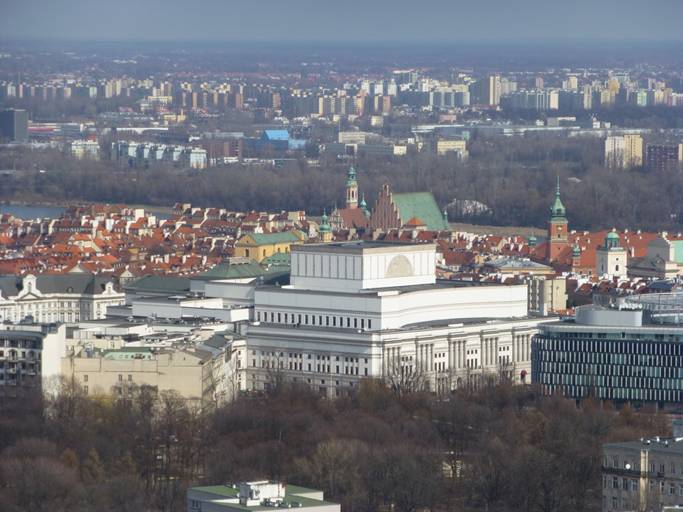
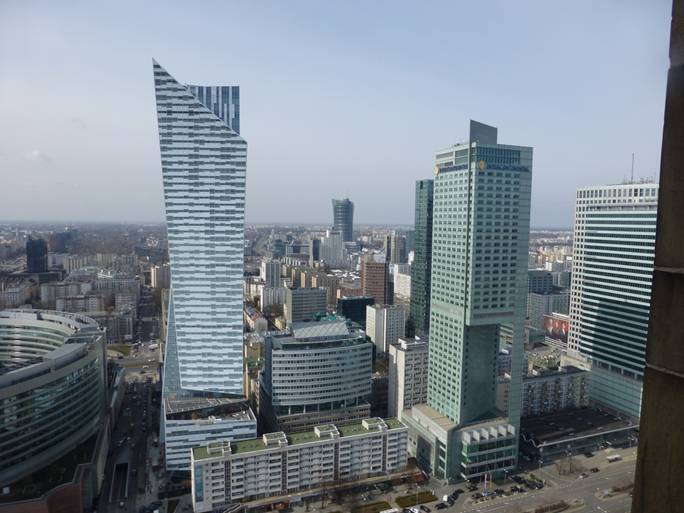
The French have the Eiffel Tower, the British have Big Ben, and the Polish have the Palace of Culture and Science. It is the iconic symbol of Warsaw and can be seen from almost anywhere in the city. Standing 231 meters tall, it is the tallest building in Poland and was given as a gift by Stalin during the city's post-war reconstruction between 1952 and 1955. The building is colossal, and while locals historically resented it and even debated tearing it down, it has remained standing as a defining city landmark. The palace houses cinemas, theaters, a planetarium, rotating exhibitions, and more. It is well worth going up to the 30th floor observation deck to enjoy 360-degree panoramic views of Warsaw—ideally on a day with clear skies. Admission to the terrace is 20 PLN and it is open from 9:00 AM to 6:00 PM.
Centrum Central Square
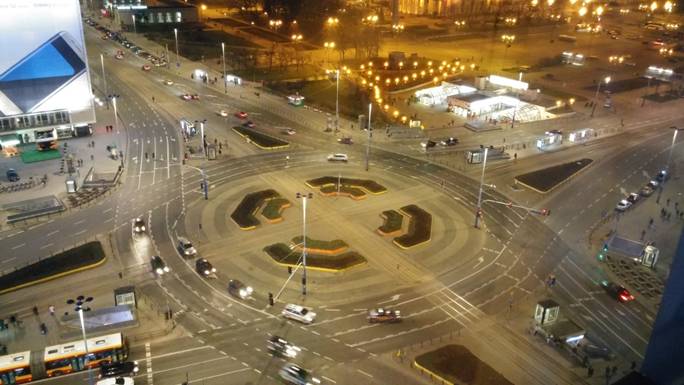
Many trips around Warsaw start at the central square. Here you will find numerous adjacent hotels catering to visiting tourists and business travelers, a primary transit interchange connecting all transportation modes, and the central train station offering connections across Poland. The area also features a large, modern shopping center, restaurants, cafés, and the impressive "Złote Tarasy" shopping mall known for its striking architectural interior. You can navigate the square via extensive underground passages lined with dozens of inexpensive shops selling clothes, shoes, bags, leather goods, bakeries, and delis offering breads, cheeses, and cold cuts—a true "underground shopping" hub.
The Old Town
The beating heart of Warsaw, the Old Town, was flattened during World War II and subsequently rebuilt in a meticulous, breathtaking reconstruction that mirrors how it looked centuries ago. Strolling through the town's alleys, one does not feel a sterile sense of new construction—quite the opposite.
Everything was reconstructed faithfully: the cobblestones, buildings, murals, narrow entrances, and steep stairways, earning it recognition as a UNESCO World Heritage Site. From the central square, it is recommended to walk to the Old Town—a 3 km stroll along Krakowskie Przedmieście, a street dating back to the 15th century. This is one of Warsaw's grandest avenues, filled with boutiques, cafés, patisseries, palaces, and historic monuments, making it a delight to wander through. It also marks the start of the "Royal Route," which leads all the way to the Royal Palace in Łazienki Park. Along the street, you will see an impressive monument honoring Nicolaus Copernicus, the Polish astronomer and mathematician who formulated the heliocentric model placing the Sun at the center of the universe.
On the way to the Old Town, you will pass the University of Warsaw (opened in 1816), additional baroque palaces destroyed and resurrected from ruins, and the Presidential Palace, the official seat of Poland's president.
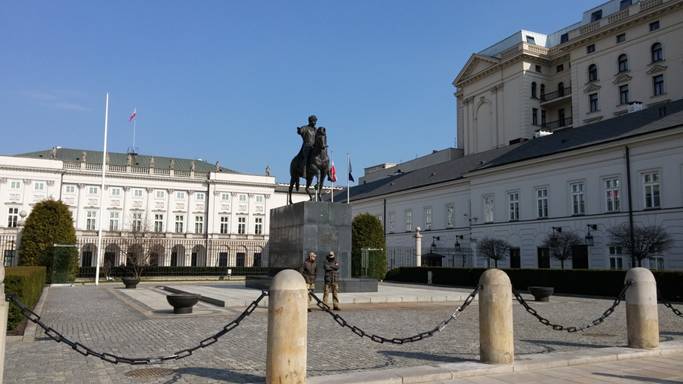
Right next door sits the prestigious Hotel Bristol, where official presidential guests stay.
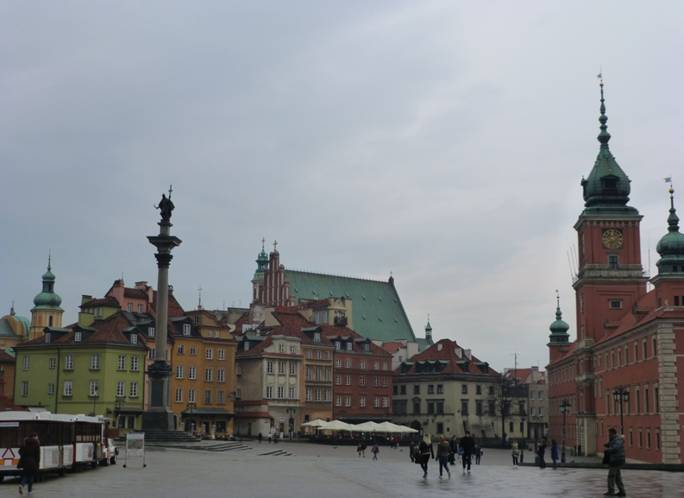
Continuing onward, you will reach Castle Square, dominated by the Royal Castle—a stately structure that served as the residence for Polish monarchs and presidents throughout history. The original structure was leveled, but visitors are treated to an exquisite, faithful restoration that took roughly 30 years to complete. Today, it operates as an art museum. Castle Square is easily spotted thanks to King Sigismund's Column rising 22 meters in its center. Notably, parts of the monument survived the wartime devastation.
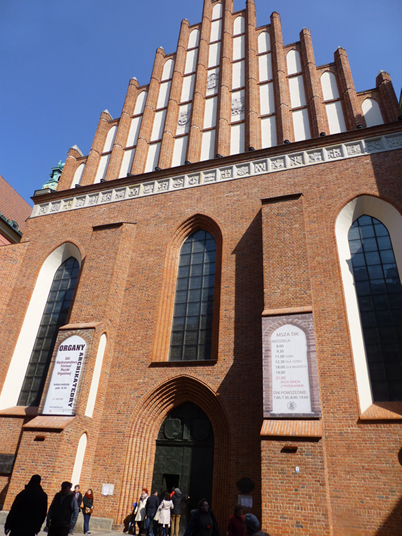
St. John's Archcathedral is a grand and striking Gothic structure rebuilt upon the ruins of the historic cathedral destroyed during the war. It stands as the oldest place of worship in Warsaw. Nearby lies the Church of Our Lady, another remarkable reconstructed sanctuary featuring ornate iron doors at the entrance and an impressive interior.
Continuing further, you will arrive at the Old Town Market Place, which once served as Warsaw's main square, identifiable by the statue of the "Warsaw Mermaid" (Syrenka) standing proudly in its center.
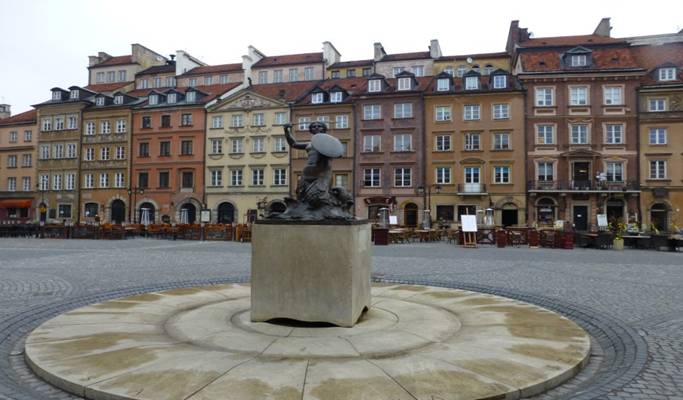
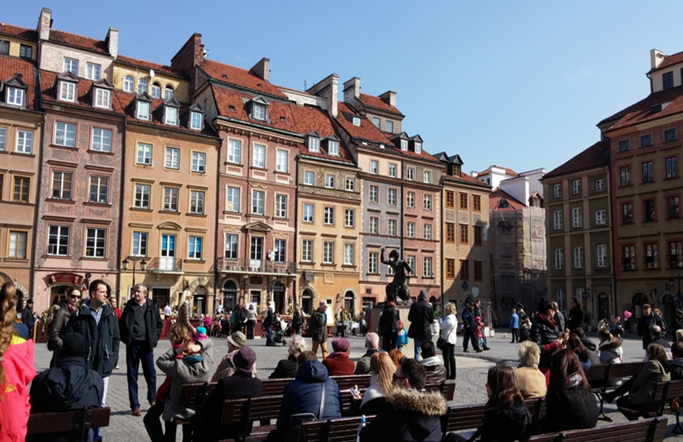
Surrounding the square are picturesque buildings, vibrant colors, and timeless legends woven around the Warsaw Mermaid. The square regularly hosts musical performances, street buskers, bustling restaurants, cafés, and souvenir shops.
Next on the route is the Barbican, an imposing fortified gatehouse that remains as a vestige of the historic defensive walls that once encircled the city.
This gatehouse was also completely destroyed, then carefully restored and rebuilt in 1954, capturing an authentic historical atmosphere. It is an atmospheric focal point in the Old Town, frequently hosting street performers and artisan booths displaying original works.
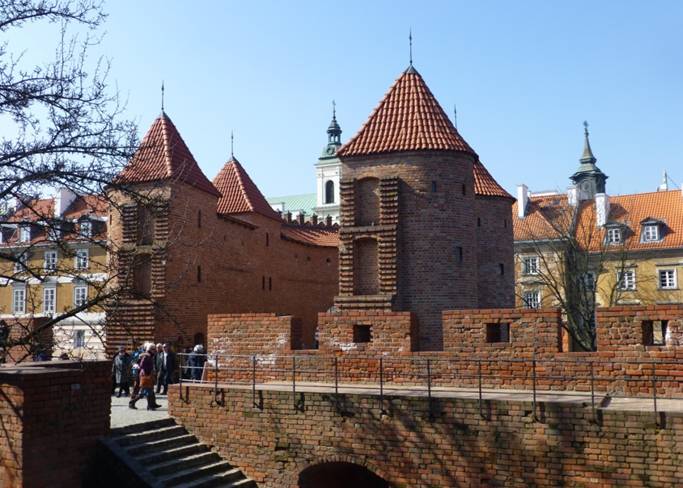
Visiting the Old Town at night is highly recommended: the atmosphere becomes magical, enchanting, and deeply romantic.
Łazienki Park
Widely regarded as Warsaw's most beautiful park, this sprawling, pristine, and tranquil sanctuary is free and open to the public.
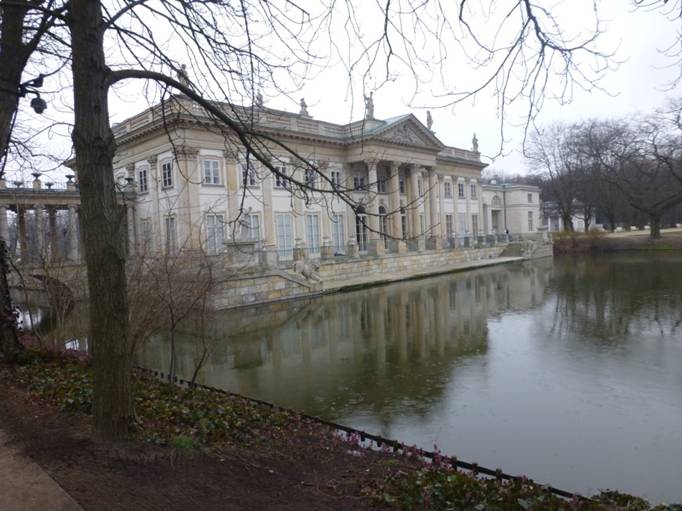
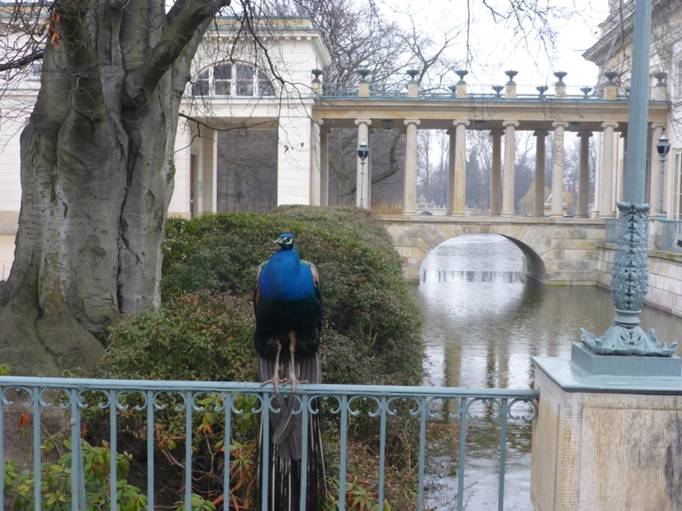
Here you will find the Chopin Monument, unveiled in 1926, which hosts outdoor piano recitals dedicated to the composer's work during summer months. Łazienki Palace, known as the "Palace on the Isle," rests on an island within the lake and served as the summer residence of Poland's last king. It is a grand building open to the public, featuring a fine picture gallery and preserved royal quarters. Other highlights include the White House (Biały Domek), where King Louis XVIII once stayed, the Orangery, an amphitheater, and botanical gardens founded in 1818 through a grant from Tsar Alexander I to the University of Warsaw. The park is wonderful for a peaceful stroll, relaxing on benches, breathing fresh air, and letting children watch or feed friendly red squirrels and spot peacocks roaming freely. Perfect for a few tranquil hours!
Saxon Garden (Ogród Saski)
The impressive Saxon Garden is situated right in the city center near the Sofitel Victoria hotel, offering a lush green retreat with walking paths and classical sculptures. At its center stands an ornate fountain alongside a marble sundial.
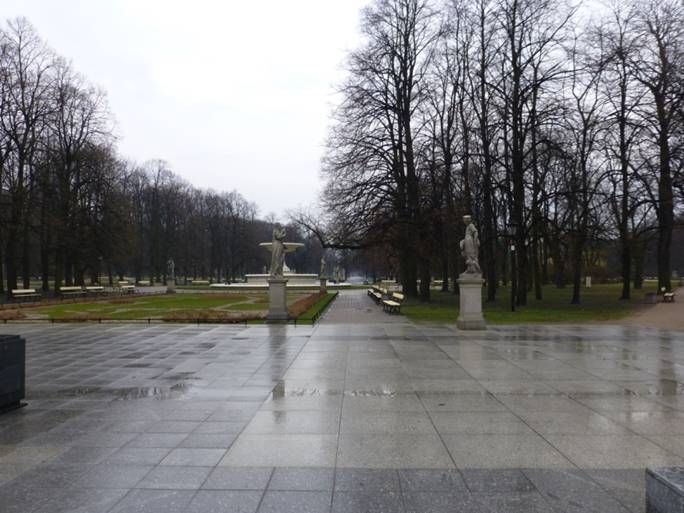
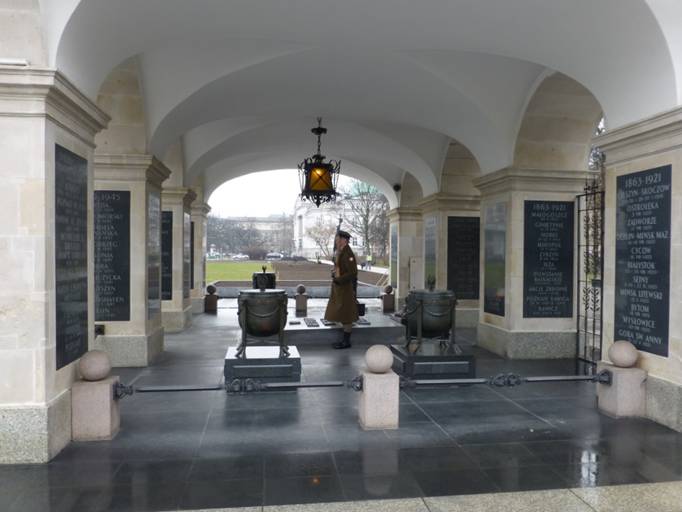
A notable landmark in this park is the Tomb of the Unknown Soldier, located beside the Polish Ministry of National Defence, where a ceremonial changing of the guard honors fallen soldiers every hour.
Culinary Scene in Warsaw
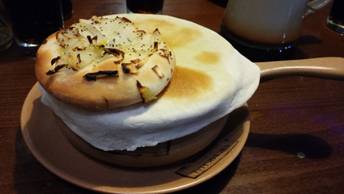
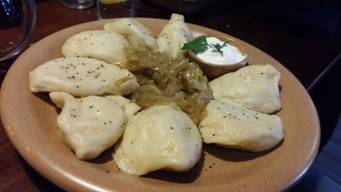
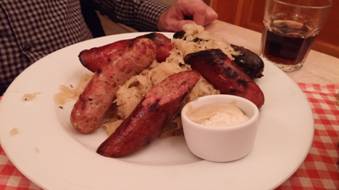
Another pleasant and delicious surprise is the local food scene. While you can find international cuisine of every kind, exploring traditional Polish cuisine is a true treat. Most local restaurants offer delectable herring dishes, classic pierogi dumplings filled with everything from meat, potato and onion, to mushrooms, or various sweet and savory cheeses. You will also find smoked sausages served over sauerkraut and potatoes, assorted meat platters, hearty specialty soups, fine local beers, and more. The restaurants are authentic and charming, menus are typically available in English, service is warm and welcoming, and the prices are remarkably budget-friendly.
You can book the following tours directly via Viator:
♦
Warsaw Food Tour -
Warsaw Food Tasting Tour with Delicious Poland
Duration: 2.5 hours, small group.
♦
Polish Cooking Class -
Warsaw's No 1 cooking class-Polish dumplings with liqueur tasting
Duration: 2 hours.
Warsaw – The Jewish Tragedy
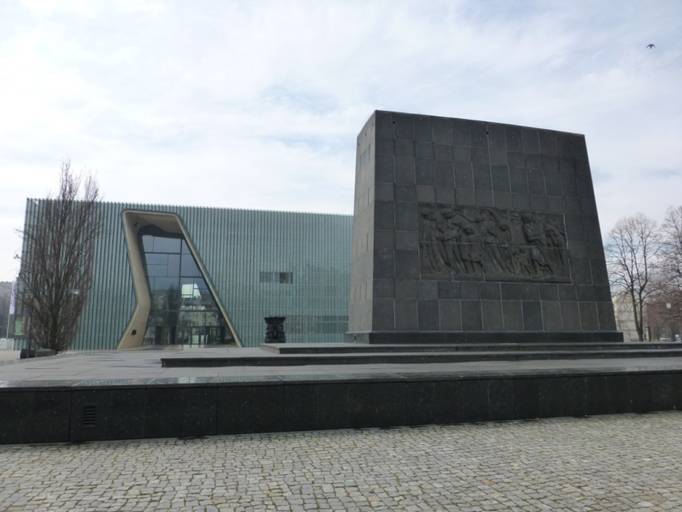
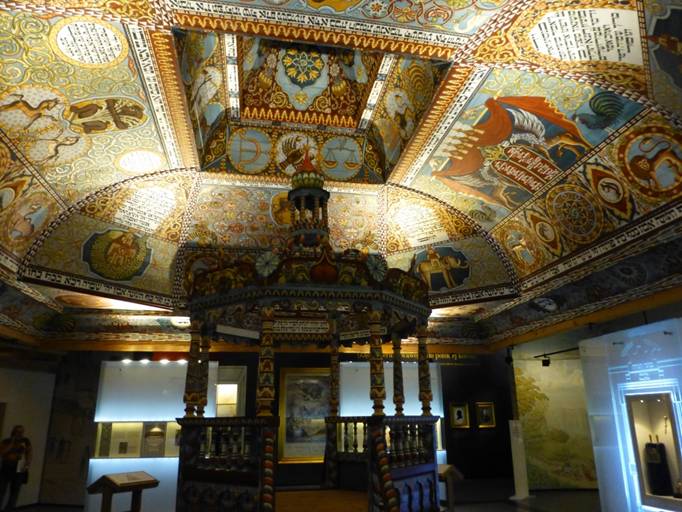
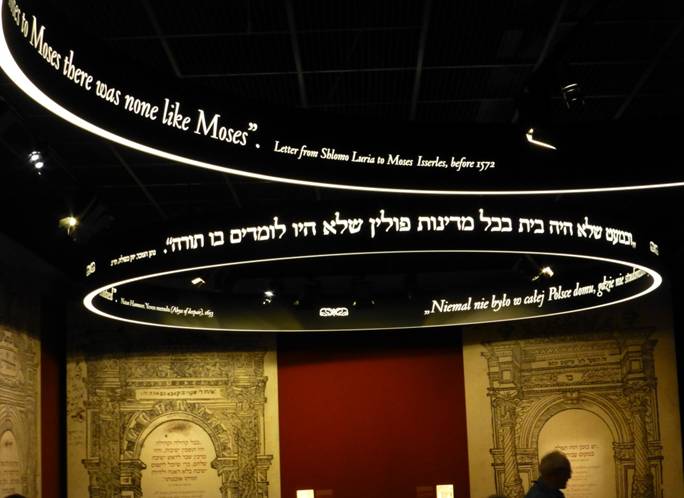
One cannot visit Warsaw without confronting the legacy of its once-thriving Jewish community, systematically and brutally destroyed. Those looking for the physical ghetto won't find it standing—it was leveled to the ground, as was the Great Synagogue that anchored it. Reaching Anielewicza and Zamenhofa streets places you within the former ghetto perimeter—a 4-square-kilometer area where one must rely on imagination to connect with history. It is recommended to start the Jewish heritage tour at the Monument to the Ghetto Heroes, sculpted by Nathan Rapoport (a ghetto survivor), which commemorates the tragedy and heroism of wartime resistance. Directly opposite stands the POLIN Museum of the History of Polish Jews: an expansive modern landmark featuring a core exhibition that traces a 1,000-year historical journey of Jewish life in Poland across 60 thematic galleries covering golden ages, pogroms, the Holocaust, and coexistence within a broader Christian society. It is an extraordinary narrative journey extending into modern times. A museum visit is an absolute must, and taking an audio guide is highly recommended.
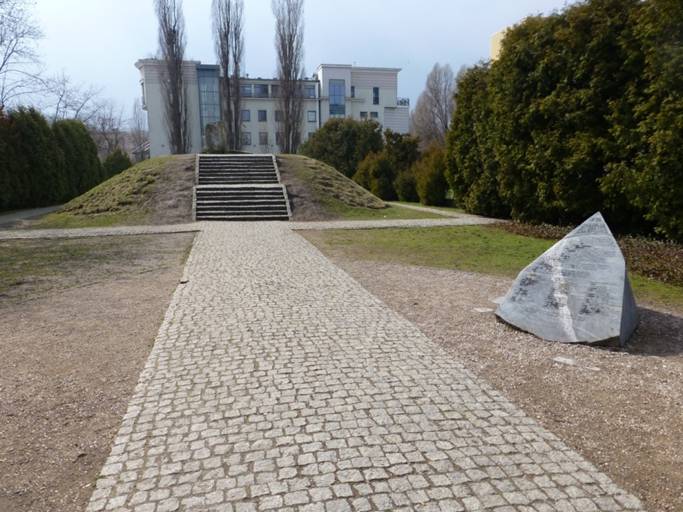
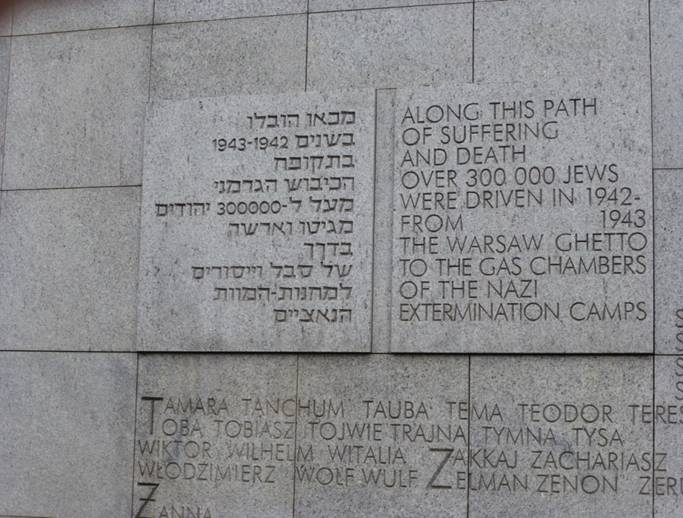
It is recommended to walk along the "Route of Jewish Martyrdom and Struggle," marked by 19 commemorative stone blocks honoring Jewish heroism and the actions of the Righteous Among the Nations—19 stones marking the date April 19, 1943, when the Warsaw Ghetto Uprising began. Along the route, you will reach Miła 18, where a memorial mound marks the command bunker used by Mordechai Anielewicz and fellow resistance fighters, who took their own lives rather than surrender, turning the bunker into a mass grave.
Continue to the Umschlagplatz Memorial, the site from which deportation trains departed for the extermination camps, marked with a monument engraved with thousands of victims' first names.
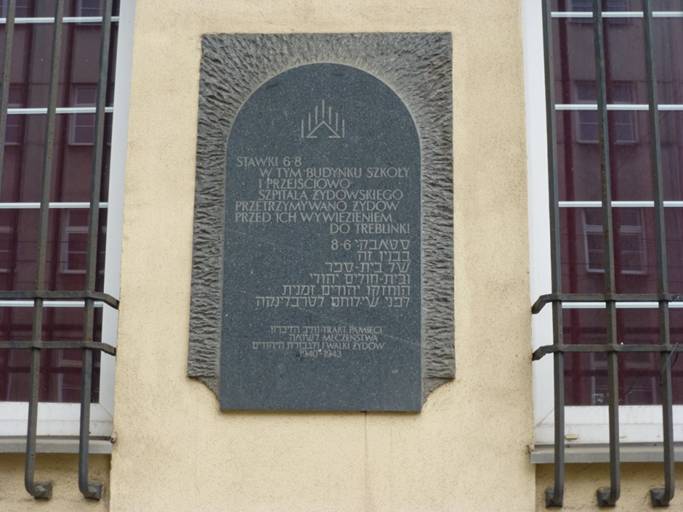
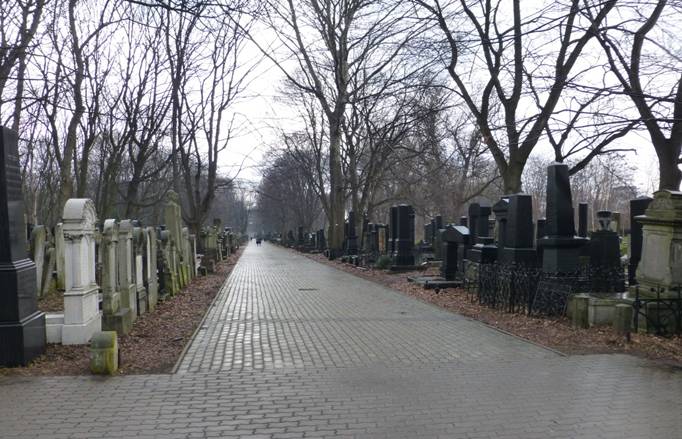
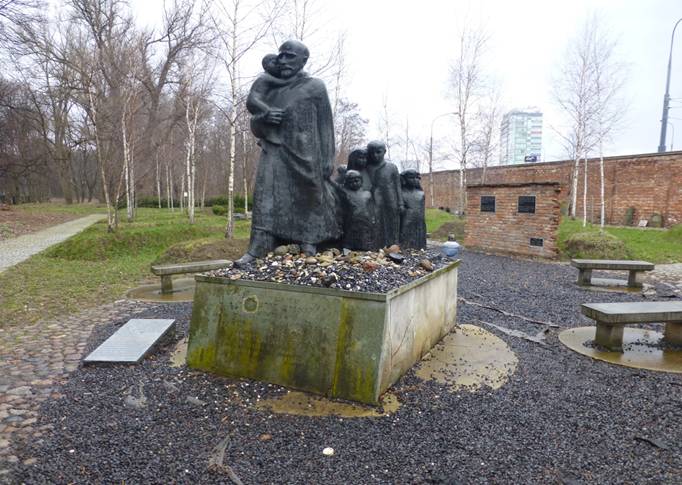
Another deeply moving site is the historic Jewish Cemetery on Okopowa Street, established in 1806. Remarkably preserved through the war years, it remains an active burial ground today. Visitors can see the graves of prominent rabbis and scholars, writer I. L. Peretz, as well as renowned Jewish authors and theater actors. Near the entrance stands a symbolic memorial to Janusz Korczak and the orphan children he accompanied.
Upon exiting the cemetery, you can proceed to the orphanage once directed by Janusz Korczak and visit Chłodna Street, where the wooden footbridge once linked the Small and Large Ghettos. While the bridge is long gone, four commemorative posts mark its location with historic images. Further down the street stands an original fragment of the ghetto wall. It is recommended to conclude the tour at the Nożyk Synagogue, the only pre-war Jewish house of prayer in Warsaw that survived to the present day, currently serving the small local community primarily during holidays. The synagogue was founded by Zalman and Ryfka Nożyk in 1893; the childless couple bequeathed their fortune to build the synagogue between 1898 and 1902. Located outside the main ghetto walls, it survived World War II because the German army repurposed it as a horse stable. Following the war, it was restored and later renovated in 1977. Today, it serves Warsaw's Orthodox community and remains active, particularly on Jewish holidays. A small kosher grocery shop operates nearby.
Written by: Mira E.