A Trip to Cartagena in Spain
Cartagena is an ancient port city with a fascinating history and culture. The city is located in southeastern Spain and serves as a port of call on Western Mediterranean cruise itineraries. The city features impressive buildings, which are recommended to view from the panoramic glass elevator located on Conception Hill, overlooking the city's views.
Here are great tour options in this city, also suitable for cruise ship passengers:
The tapas tour includes a visit to ancient sites in the city and 3 tastings at local restaurants serving the region's popular tapas. The following photos were taken on a similar tour.

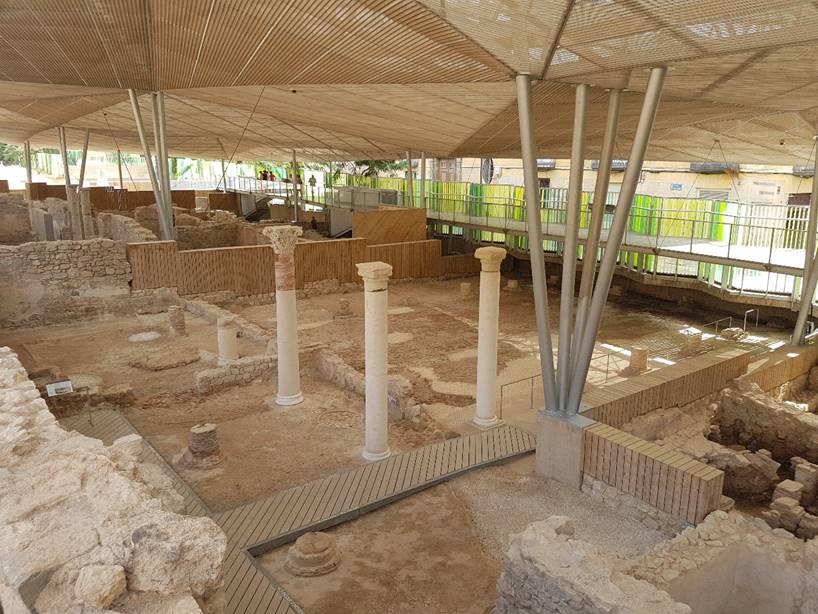
History enthusiasts will also enjoy visiting the archaeological site featuring the remains of an impressive Roman amphitheater. The amphitheater was discovered in 1987 and has since become one of the city's symbols.


Besides the Roman heritage, the city's historical and archaeological sites also include findings from the Spanish Civil War and the late 13th century.
Independent Travel in Cartagena
The Port of Cartagena is one of the best ports for those who want to travel independently. The port is located adjacent to the Old Town, the pedestrian streets, and most of the city's tourist attractions.
Everything is within an easy walking distance. It is a vibrant port city that combines old and new, antiquities with shopping. After visiting twice on guided walking tours during previous cruises, this time we simply enjoyed strolling around the beautiful city center. Of course, we photographed our photogenic ship, the Sun Princess, from every possible angle, especially from the marina next to the port.

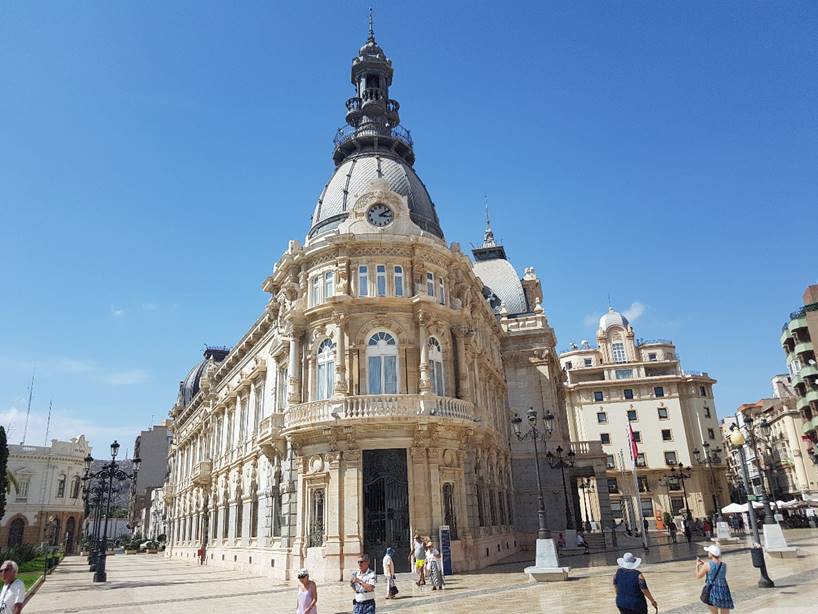
We took a guided tour of the impressive City Hall building, which was built in 1907 and renovated between 1995 and 2007.

The tour is offered several times a day, and happily, we were alone with the excellent guide who described the various rooms we visited, the symbols on the walls, and the history of the place.

Meeting room:


The antique clock at the top of the triangular-shaped City Hall building:
We strolled through the pedestrian streets abundant with shops, cafes, street performances, etc.,

We wandered through narrow alleyways with murals and looked out at the city's antiquities.
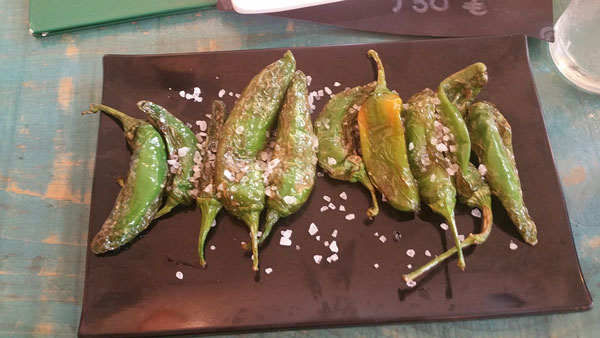
We also stopped to drink and have a small typical local bite, a classic Spanish dish: Pimientos de Padrón. Fried and salted (non-spicy) peppers: