Destinations and Attractions in Taipei the Capital of Taiwan
General Information
The city of Taipei, capital of the island of Taiwan in Southeast Asia near China, is a huge, vibrant, and fascinating metropolis. Nearly 3 million residents live within it, and together with the surrounding metropolitan area, the population reaches about 7 million residents—almost a third of Taiwan's entire population. Taipei offers a blend of East and West. You can experience the traditional Chinese lifestyle of the locals, particularly in culinary, cultural, and religious aspects, alongside the modernity of a democratic state with a thriving high-tech economy. At the same time, a notable Japanese influence is evident.
Taiwan resembles Israel both in being a democracy and in being an isolated country (Taiwan is an island) constantly threatened by its neighbor (meaning China, of course). Due to its complex relations with China, it has become politically isolated from almost all nations worldwide; it is not a UN member, and only a handful of countries maintain official embassies in Taiwan (though many, including Israel, have economic and cultural representation offices).
Residents of Taipei are courteous and honest, and the sense of personal safety is exceptionally high. It is a very safe and friendly city.
Night view of Taipei from Taipei 101 tower:

In terms of religion, about one-third of the residents are Buddhists, another third are Taoists, about 20% are non-religious, 4% are Christian, and the remainder follow other faiths. There is also, of course, a small Jewish community as well as an Israeli community.
Taipei is situated in the northern part of Taiwan. There are no direct flights to it from Israel. The most convenient route from Israel is a connecting flight via Hong Kong or Istanbul, though transfers are also available via Bangkok, Seoul, and other destinations across Asia or Europe. Israeli citizens do not require a tourist visa for Taiwan.
♦ Book a private transfer from Taipei Airport to your hotel via Viator: Private Transfer from Taoyuan airport Taiwan to Taipei
The city features excellent public transportation, including a subway system, buses, and taxis. It is important to remember that locals do not always understand English, so prepare in advance a piece of paper with your required destination address written in Chinese characters. You can also get around independently by renting a car with Waze or Google Maps navigation. Similar to many major global cities, significant traffic jams occur during peak rush hours.
Taipei, like the northern half of Taiwan, is situated in a subtropical climate zone. For detailed information on weather conditions and the recommended timing for a trip, read the article: Weather and Optimal Time to Visit Taiwan.
The recommended duration to dedicate to visiting Taipei, including its surrounding attractions, ranges from 4 to 6 days. In this guide, I will detail the primary attractions and destinations located inside Taipei. Additional destinations surrounding Taipei suitable for day trips (while keeping the same base hotel in Taipei) located less than an hour's drive from downtown are covered in the article: "Day Trips Around Taipei".
♦ Recommended tours from Taipei to attractions outside the city:
Recommended Hotels in Taipei
Home Hotel
A modern 5-star hotel in a prime location adjacent to Taipei 101 tower in an upscale shopping and entertainment district. The hotel features an on-site restaurant, bar, and fitness center. Free Wi-Fi and parking.
W Taipei
A luxury 5-star hotel also located near Taipei 101 tower. All chic guest rooms feature floor-to-ceiling windows offering magnificent panoramic views of Taipei 101, the surrounding mountain ridges, and Taipei City. Facilities include an outdoor swimming pool, large gym, and full-service spa, alongside a popular dining venue, stylish bar, free Wi-Fi, and parking.
AMBA Taipei Ximending
A quality 4-star hotel conveniently centrally located in the vibrant Ximending district, known as Taipei's "Times Square." A modern lifestyle hotel surrounded by pedestrian thoroughfares packed with youth culture, diverse eateries, cafés, boutique shopping, cinemas, and more. Features complimentary high-speed internet, free guest laundry facilities with washing and drying machines, spacious comfortable beds, and a restaurant.
CityInn Hotel Plus - Ximending Branch
A 3-star hotel located in the popular Ximending district loved by travelers. Offers modern guest rooms highlighted by colorful graphic artworks and unique interior accents, complete with free Wi-Fi. The property also features family accommodations suitable for parties of 4 to 5 guests.

Destinations and Attractions in Taipei
♦ Recommended guided city tours within Taipei - available on Viator:
Chiang Kai-Shek Memorial Hall
The memorial complex honoring Taiwan's former leader and founding figure, Chiang Kai-Shek, covers a massive public area in central Taipei. The main structure is a monumental building whose ground floor houses historical exhibitions, personal memorabilia, a reproduction of his office, his official state vehicles, photographs alongside notable world leaders, and archival artifacts.
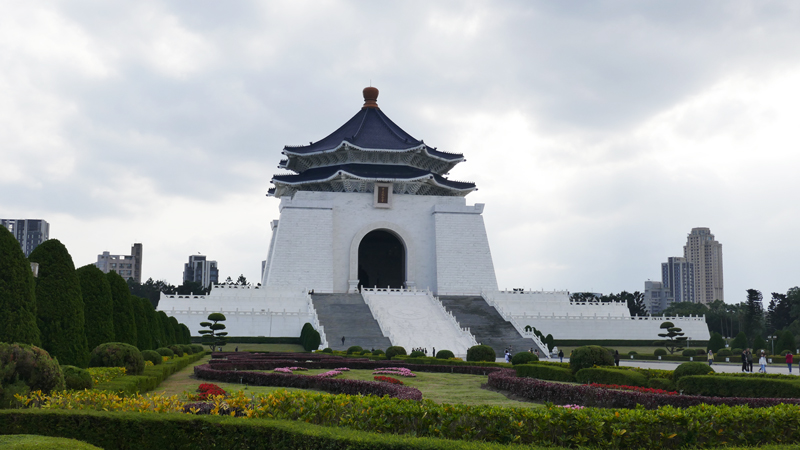
Visitors ascend to the main honor hall via two flights of stairs totaling 89 steps, symbolizing the leader's age at death. Inside this grand hall stands a colossal bronze statue of Chiang Kai-Shek guarded by two honor sentries on either side. Every hour on the hour, a formal Changing of the Guard ceremony takes place, drawing large gatherings of spectators.
The broader plaza also houses the National Theater and National Concert Hall, two magnificent architectural works styled in classic imperial Chinese motifs.
National Theater and Concert Hall:

Short video about the memorial and the Changing of the Guard ceremony:
Taipei 101 Observation Tower
This skyscraper, soaring to a height of 508 meters, ranks among the tallest buildings in the world. At the time of its completion in 2004, it was the tallest building globally and the first to surpass the 500-meter mark. Since then, it has been surpassed by various mega-skyscrapers around the world (many in mainland China, but elsewhere too). For comparison: One World Trade Center in New York reaches 541 meters, and Dubai's Burj Khalifa—currently the tallest building worldwide—stands at 828 meters (with even taller structures underway).
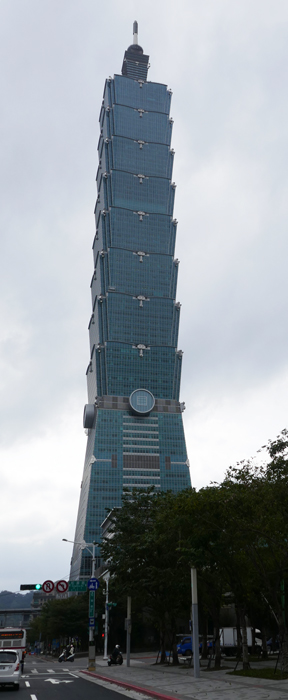
Visitors can take the elevators up to the observatory deck at the top for sweeping 360-degree vistas across all of Taipei. Queues to head up can occasionally exceed half an hour, though skip-the-line priority tickets are available at double the standard admission fee. The ultra-high-speed elevator climbs at speeds up to 1,000 meters per minute!
From the 89th-floor indoor observatory, you can admire the city in every direction through expansive glass panorama walls. On the 91st floor, accessible via two flights of stairs, an outdoor open-air observation deck is open under favorable weather conditions, facing in one direction.
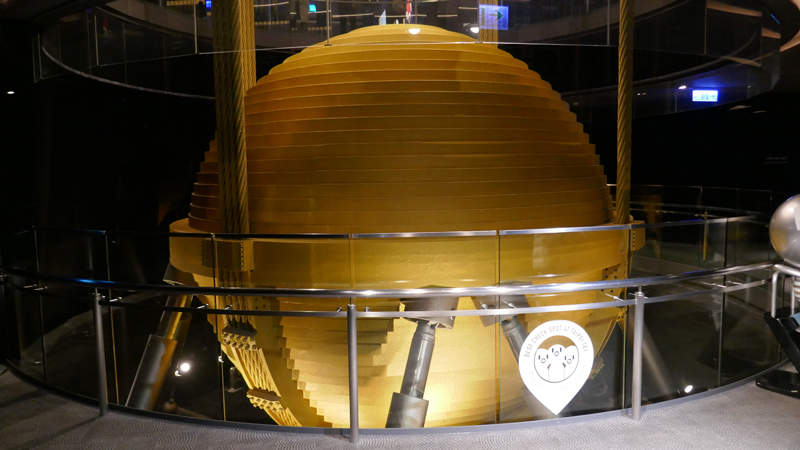
Near the top, visitors can also inspect the massive 660-metric-ton tuned mass damper sphere suspended inside the building. Installed to reduce building sway during earthquakes and typhoons by up to 40%, the steel pendulum is held by heavy cables and stabilized along its base by hydraulic shock absorbers.
Tuned mass damper inside Taipei 101:
On basement level B1 of the mall connected to Taipei 101 is the world-renowned dumpling establishment Din Tai Fung. Ranked exceptionally high by international food critics and often named among the best dim sum chains worldwide (its Hong Kong branch earned a Michelin star), it delivers excellent service, outstanding culinary consistency, and reasonable prices.
Adjacent to Taipei 101 are 11 massive department stores, making this district a premier, bustling shopping corridor known as the Xinyi Department Store Street.
Short video showcasing the observation deck atop Taipei 101:
Grand Hotel Taipei
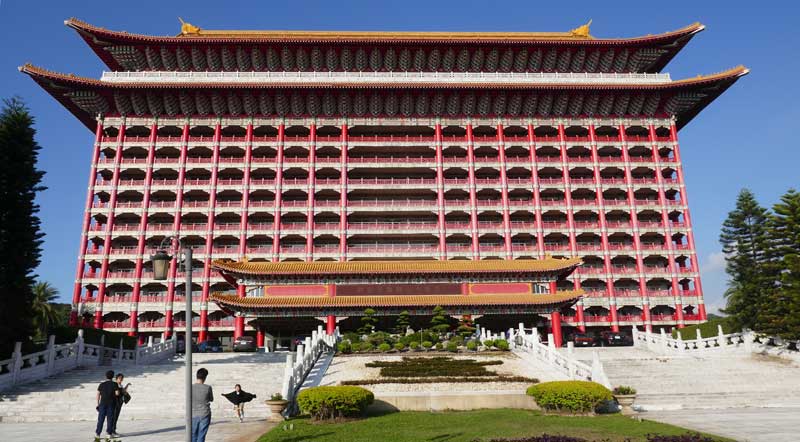
The Grand Hotel is the first 5-star hotel in Taiwan. This large, singular landmark stands out dramatically along the skyline for anyone traveling to or from the airport. It is a historic, opulent palace-style hotel that was once ranked among the world's most luxurious lodgings, having hosted numerous heads of state, royalty, and international cultural celebrities over the decades. In 1967, it was recognized by Fortune magazine as one of the world's top ten hotels. Its imposing exterior, dominated by rich red pillars and golden imperial roof tiling, took architectural inspiration from the Forbidden City in Beijing. The grand lobby features towering crimson columns, classical carved details, and ornate multi-layered ceilings. It is well worth stopping by for a visit, or sitting in the grand lobby lounge or café to enjoy a beverage or meal (at surprisingly fair prices) to soak in its historical grandeur.
Mount Elephant Lookout (Xiangshan)
Located on a forested hill close to Taipei 101, this vantage point features two main walking trails running up the hillside. Multiple lookout platforms along the slope offer fantastic scenic views of downtown Taipei and the iconic Taipei 101 tower rising above the skyline. These viewpoints are accessible strictly on foot via a steep climb of numerous stone steps.
National Palace Museum
Taiwan's most renowned and culturally significant museum welcomes over 5.4 million visitors annually. It houses an extraordinary collection of ancient Chinese artifacts, rare books, imperial furnishings, calligraphy scrolls, porcelain ceramics, sculptures, jade carvings, garments, and antique currency. The items span over 8,000 years of Chinese history, making it one of the most comprehensive and prestigious collections of Chinese art on earth. The core imperial artifacts were originally preserved within Beijing's Forbidden City, but to protect them from wartime damage during the Japanese invasion, the treasures were evacuated south to Shanghai in 1931. Following the conclusion of WWII and during the ongoing Chinese Civil War up to 1950, portions of the collections were systematically transferred across the strait to Taiwan, successfully transporting approximately 22% of the original imperial holding. Today, the National Palace Museum holds nearly 700,000 artifacts. Because the gallery facilities cannot display all pieces simultaneously, exhibitions rotate every three months, showing around 60,000 pieces at any given time.
Lungshan Temple
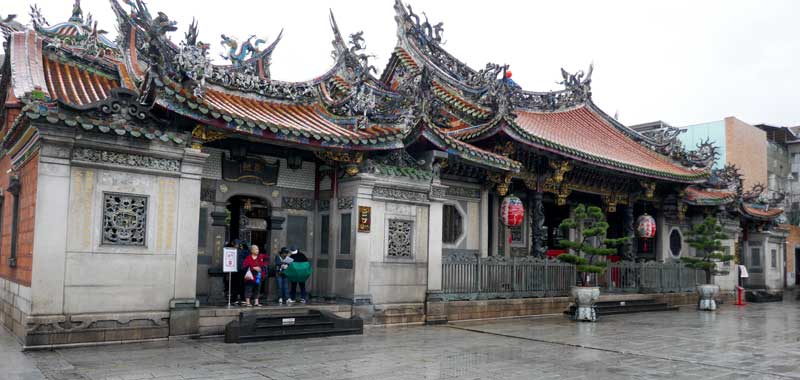
An ancient, atmospheric temple with a 280-year heritage, Lungshan is the most famous religious site in Taiwan. Beyond attracting tourists, it serves as a central devotional home for devout worshippers throughout the day. Founded in 1738, it offers a window into Taipei's vibrant religious culture. Built in traditional southern Chinese architectural style in honor of Guanyin, Goddess of Mercy, the complex today accommodates altars and prayer halls dedicated to over 160 distinct folk and Taoist deities! Taking a guided tour is recommended to understand the rituals, local customs, and the meanings behind each deity. Particularly popular is the deity Yue Lao (the Matchmaker), sought out by singles hoping to find love and marriage. Bountiful flower offerings rest before the Goddess of Fertility, venerated by women wishing to conceive. Local legend recounts that during WWII air raids, worshippers fled into the courtyard to escape a sudden swarm of mosquitos just before a bomb struck the roof, sparing the crowd inside; devotees believed Guanyin sent the mosquitos to protect them.
Dihua Historic Street

Along this historic avenue dating back over a century, most storefronts specialize in traditional festive pantry goods and specialty holiday banqueting ingredients, including dried delicacies, spices, shark fins, and sea cucumbers.
Dried shark fins on display - costing around 3,000 ILS!
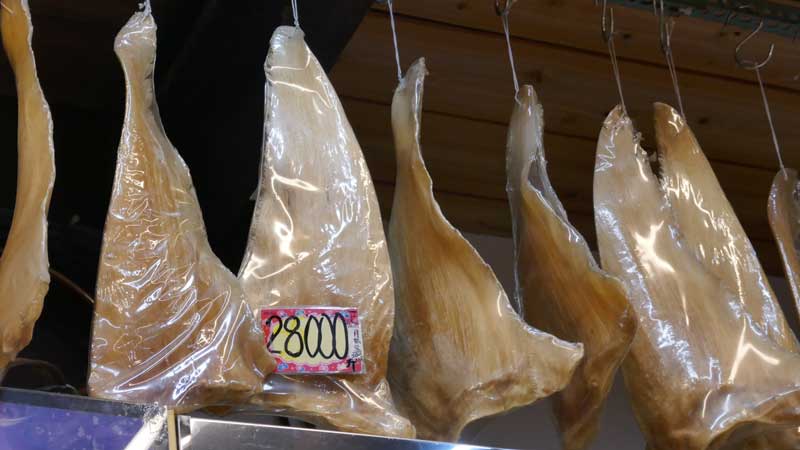
and various preserved foodstuffs (from sun-dried fruits to dried mushrooms and seaweeds—including items you wouldn't imagine could be dried). Dihua Street is also renowned for its traditional Chinese apothecary shops selling herbal remedies, alongside a vast fabric market. The street showcases heritage shop-house architecture with intact baroque-meets-traditional facades carefully restored to their prime era. The neighborhood also houses an auspicious city temple famous for matchmaking blessings. In recent years, classic traditional family businesses have been joined by boutique artisanal cafés, tea houses, and designer lifestyle shops that give the street a trendy vibe.
Ximending District

Taipei's Ximending neighborhood is celebrated as the "Times Square of Taiwan." It is an energetic hub of youth culture, framed by a pedestrian network filled with eateries, bubble tea stands, fruit bars, clothing boutiques, cinemas, clubs, lounges, and tattoo parlors. On weekends, the central streets become full pedestrian zones animated by street performers and artisan pop-up stalls. On weekdays, vehicular traffic is blocked off in the evenings starting from 18:00. It is a highly convenient and entertaining neighborhood to base your stay. A recommended 4-star option situated in the heart of this district is the AMBA Taipei Ximending hotel.
Maokong Gondola
Located in southern Taipei, this cable car spans approximately 4 kilometers, running from Taipei Zoo up into the lush green mountains of Maokong—an alpine hillside area celebrated for its tea plantations. During the aerial ride, passengers enjoy views across the sprawling metropolis contrasting with forested peaks and green parks. For a minor supplemental fare, you can ride in one of the glass-bottomed "Crystal Cabins," opening up views of the scenery directly beneath your feet.

The gondola route includes four passenger boarding and drop-off stations, with the highest terminal, Maokong Station, located at an elevation of roughly 300 meters. One stop before Maokong is Zhinan Temple, an attractive Taoist sanctuary nicknamed the "Temple of 1,000 Steps" in reference to the 1,200 stairs leading up to its gates.
At the summit terminal, you arrive in the Maokong tea growing area, crisscrossed by walking paths with scenic vistas, rustic tea houses serving locally harvested oolong varieties, regional restaurants, and food stalls. It is an ideal setting to immerse yourself in Taiwanese tea culture.
Short video about the ride on the Maokong Gondola:
Taipei Zoo
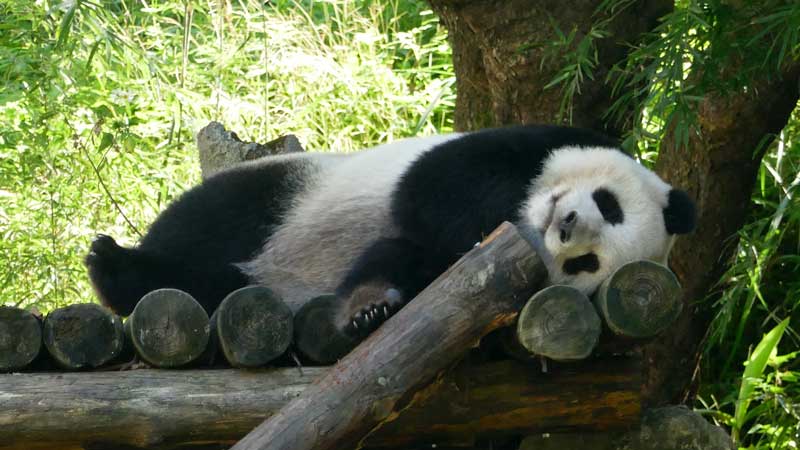
Directly adjacent to the lower gondola station sits the Taipei City Zoo, an expansive and diverse zoological garden organized into geographic zones reflecting native ecosystems and wildlife from each continent. The primary crowd favorites are the Giant Panda Pavilion and the Tropical Rainforest Zone; visitors receive timed entry slips upon arrival, though queues remain large on weekends and holidays. Small internal trams transport visitors between exhibits, and one of the Maokong cable car stops departs directly from the upper section of the zoo grounds.
Danshui Port Town (Tamsui)
A waterfront suburb of Taipei positioned along the broad Danshui River. The leading attraction in this scenic port town, which boasts a buzzing fisherman's wharf and numerous leisure river cruise boats, is the Lover's Bridge: an illuminated cable-stayed footbridge adjacent to a red heart sculpture, granting sweeping views across the marina, piers, and river mouth. It is also a very popular route for cycling.
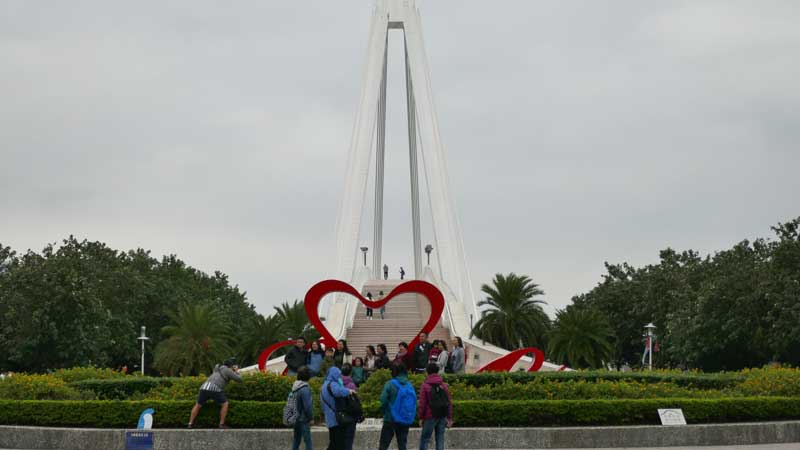
A short drive or stroll away lies Zhongzheng Old Street, lined with food vendors serving local heritage snacks and specialty shops. This pedestrian street features traditional tea houses, coffee spots, and eateries extending through its side alleys.
Markets and Shopping in Taipei
One of the ultimate highlights of visiting Taipei is its culinary landscape. Many local residents eat out daily rather than cooking at home because the food selection is so extensive and affordable. Taipei features dozens of night markets operating from 17:00–18:00 onwards, packed with food carts, sit-down eateries, and bazaar vendors selling dry goods, clothing, and gadgets. Carts prepare an immense spectrum of dishes catering to all palates. The sensory atmosphere is lively and vivid. For a first visit, touring with a food guide who can explain the ingredients is very worthwhile, as most street-level cooks speak little English.
♦ Guided night market tasting tours in Taipei - booked via Viator:
One of the most famous delicacies among locals is "Stinky Tofu," which lives up to its name with an unmistakable pungent odor beloved by Taiwanese foodies, though only daring visitors (or those with impaired senses of smell...) tend to try it.
It is important to note that bargaining is not customary in Taiwan, unlike many other Asian destinations. Prices are fixed, though small volume discounts are occasionally granted for multiples. A formal tax receipt is issued for every transaction of any amount.
Short video about night markets in Taipei:
Shilin Night Market
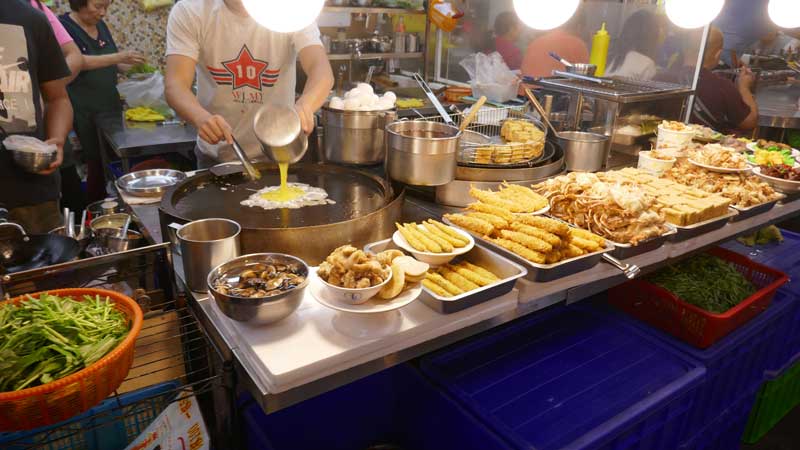
Taipei's largest and most famous night market offers an overwhelming concentration of food stalls (where queue lines at popular spots can stretch down the street) alongside merchandise shops. It is an excellent place to sample unique Taiwanese dishes. Lines at top food carts can reach dozens of patrons. In one underground basement level, there is a large variety discount bazaar similar to dollar-store setups with inexpensive goods. Another underground level holds an enormous dedicated food court filled with dining stalls, tables, and seating—convenient since street level has minimal dining seats. Watching vendors prepare and fry snacks right before your eyes is part of the fun.
Ningxia Night Market
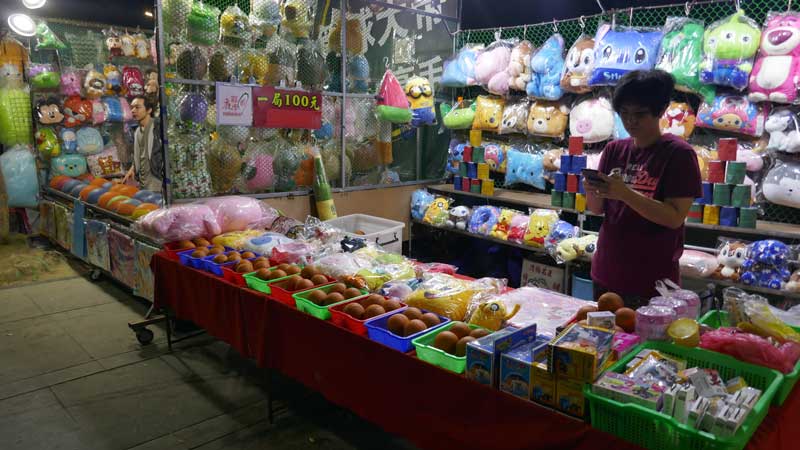
Ningxia is primarily an authentic food-focused night market of a more manageable scale. Street food stands line the thoroughfare with communal tables set out for diners. At the far end of the market sits a family carnival zone with balloon darts, ring tosses, and arcade-style games popular with children competing for stuffed prizes.
Carnival balloon darts games at the night market:
Linjiang Night Market and Pet Street
Linjiang Street hosts another night market favorite, while perpendicular to its entrance runs a commercial street lined with pet specialty boutiques, grooming shops, pet gear retailers, and veterinary clinics.
Huaxi Street Night Market (Snake Alley)
This covered night market was historically famous for restaurants serving snake delicacies. Today, only two such specialty eateries remain. One features two large live snakes housed in display cages by the storefront beside cages of feeder mice. The market is also widely known for its numerous foot reflexology parlors and traditional massage studios.
Jianguo Holiday Weekend Flower, Jade, and Craft Market
Beneath an elevated highway overpass typically used as a commuter parking garage, an extensive weekend market operates on Saturdays and Sundays (and select public holidays). It is organized into three distinct sections: the first is the Jade Market, where hundreds of jewelers display carved jade pieces, jewelry, and gemstone amulets highly revered across Taiwan.

The second section is the Flower Market, overflowing with blooming orchids, house plants, bonsai, and gardening equipment.

The third section is an Artisans' Market featuring original oil paintings, handmade crafts, pottery, and jewelry. Open on weekends from roughly 09:00 or 10:00 until 22:00.

Taipei Fish Market
An upscale Japanese-style seafood emporium featuring a live fish market, high-end organic supermarket, and multiple raw seafood bars and specialty dining stations. Regarded as a culinary landmark, it frequently sees long lines waiting for fresh sashimi and seafood counters.
Miramar Shopping Mall
A major shopping center in the city featuring an iconic giant rooftop Ferris wheel providing views across Taipei's urban basin. The complex also houses a massive IMAX theater and a varied food court.

Costco Wholesale
The popular American membership warehouse club operates several large outlets in Taipei. While import prices are higher than in the United States, you can often find local Taiwanese specialties and discounted provisions.
LEECO Outlet
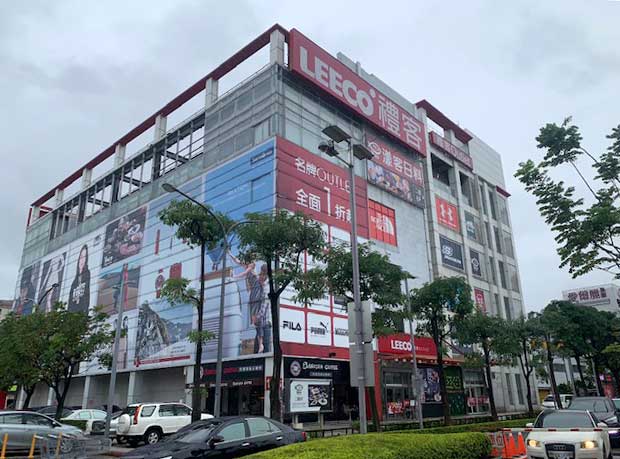
A multi-story outlet mall showcasing brand-name fashion and shoes. Prices are generally lower than in Israel, though slightly higher than standard outlets in the US. Great bargains can be found once you understand Taiwanese markdown signage: a tag marking "4" means a 60% discount (you pay 40%), while "2" indicates an 80% discount (you pay 20%). Located right next to the Costco warehouse.
Recommended Restaurants and Cafés
Taipei is packed with restaurants, bakeries, coffee shops, food courts, and open-air food hubs. Because meals are inexpensive, most residents opt to dine out rather than cook at home.
♦ Recommended guided food tasting tours in Taipei (via Viator):
Here are several recommended spots I personally enjoyed:
Tim Ho Wan Dim Sum Restaurant
This eatery belongs to the Hong Kong-born dim sum chain that earned a Michelin star, often labeled the cheapest Michelin-starred meal in the world. Indeed, a multi-course meal for two including 8 varieties of dim sum, Chinese tea, and water costs only around 110 ILS for the couple (service charge included!). Every single dish was an absolute treat for both the eyes and the palate.
Service is fast and attentive, with dishes arriving quickly. Keep in mind that during weekends and evening dinner hours, substantial lines form at the entrance. Located right across from Taipei Main Station.

Din Tai Fung Restaurant
Located on the lower basement level of the Taipei 101 complex, this dumpling house is globally acclaimed, with rave international press reviews citing it among the finest dim sum spots anywhere. It features top-tier service, consistent culinary excellence, and reasonable pricing.
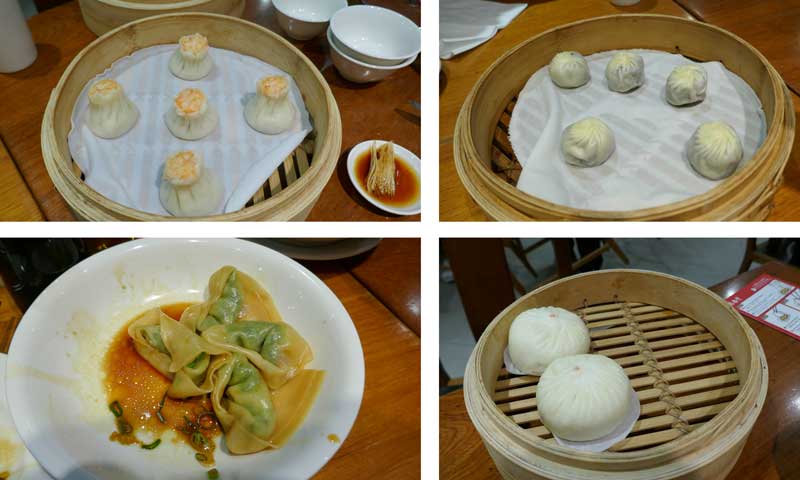
Here too, there is almost always an orderly waitlist. Din Tai Fung operates 4 additional locations within Taipei, several other branches across Taiwan, and international outlets throughout Asia, the Western United States, and London.
At the heart of the restaurant, you can observe through display glass dozens of chefs in immaculate white coats, hats, and sanitary face masks handcrafting every dumpling with precision:

Hang Zhou Xiao Long Bao
An excellent and budget-friendly dim sum restaurant with a long name: Hang Zhou Xiao Long Bao, located right across the street from the Chiang Kai-Shek Memorial Hall plaza.
Most patrons are locals, but an English picture menu is provided along with cutlery for those who request it. Delicious, fresh, and wide variety.

Coffee and Tea Chains
Tea
Taiwan is famous as the birthplace of cold Bubble Tea (boba), made with brewed tea, milk, and chewy tapioca pearls. This beverage comes in endless flavor profiles by changing the tea base or blending in fruit flavors such as taro, mango, and strawberry. There are countless tea shop brands across Taiwan; with such variety, it's best to try different styles until you find your favorite.
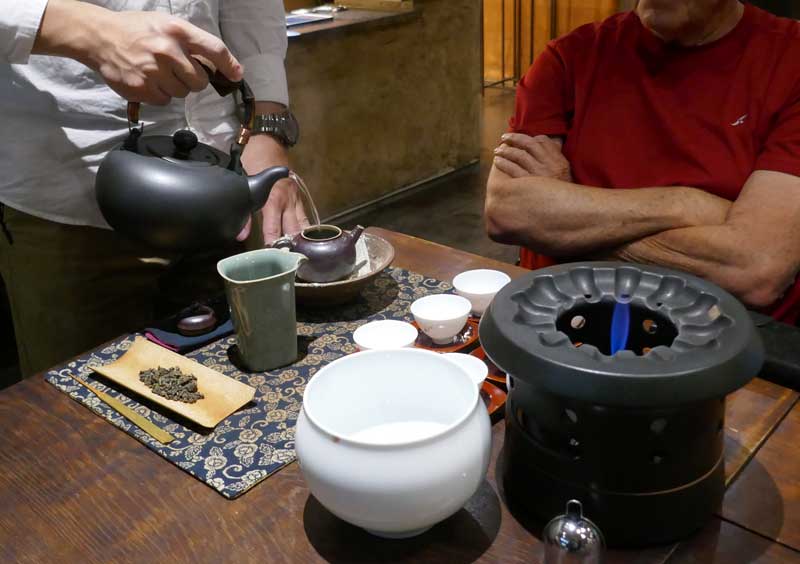
Similar to Japan, Taiwan cherishes traditional gongfu tea ceremonies with specialty teaware. At heritage tea houses, tea is served on a presentation tray with a hot water kettle, clay teapot with whole leaves, a fairness pitcher (gongdao bei), and tasting cups. Boiling water is first used to warm the cups. Hot water is then poured over the tea leaves, and after steeping for a measured number of seconds, the brew is strained into the fairness pitcher before serving so each guest receives the exact same strength. The process repeats through multiple infusions, each offering nuanced flavor shifts—a wonderful ritual for those who have unhurried time to spare.
Cafés
Taiwan boasts several prominent coffee shop chains. Local younger generations have embraced café culture, constantly driving its expansion. Brand-conscious consumers frequent American Starbucks outlets found on almost every corner at higher price points.
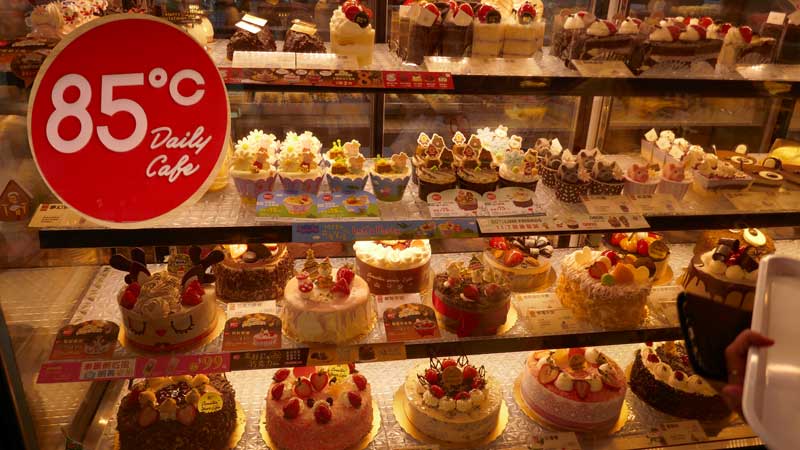
Personally, I preferred two local chains with widespread branches: one is 85°C Daily Cafe, and the other is Mr. Brown Coffee.
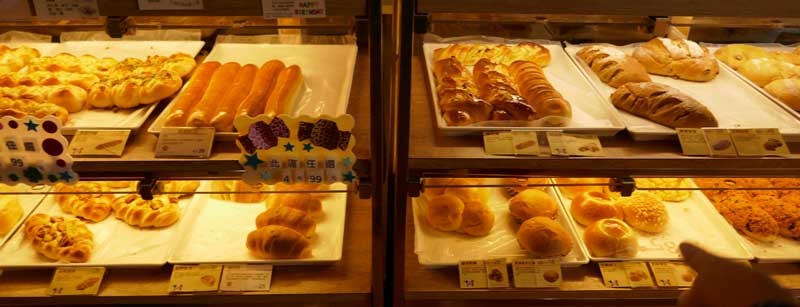
At the first chain, 85°C—a homegrown brand with branches worldwide—they serve varied coffees along with fresh pastries and cakes at very low prices, around 7 ILS for a coffee. The bakery items resemble the BreadTop chain in Australia for those familiar with it.
At the second chain, Mr. Brown Coffee, the emphasis is placed on specialty coffees, brewed teas, and hot chocolate, with less focus on baked goods.

Another popular domestic coffee chain across Taiwan is Louisa Coffee.
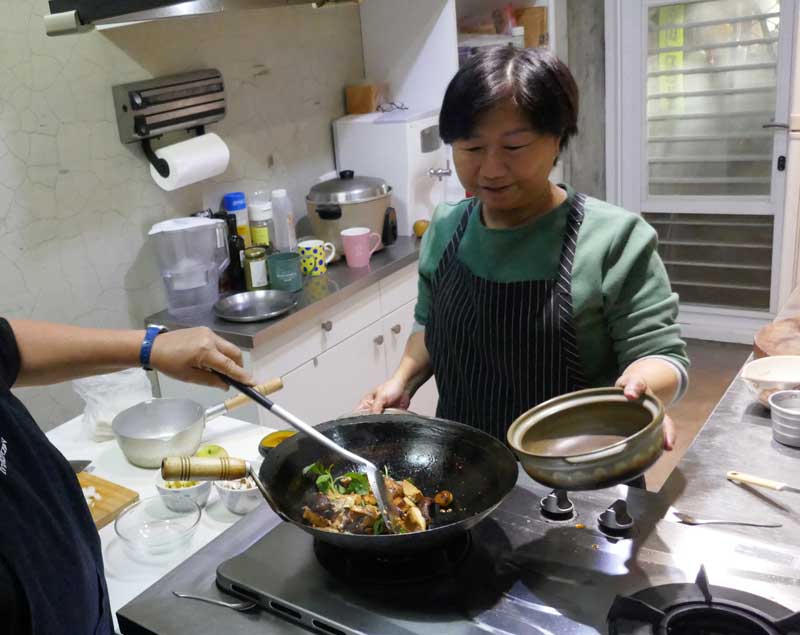
Ivy's Kitchen Cooking Class
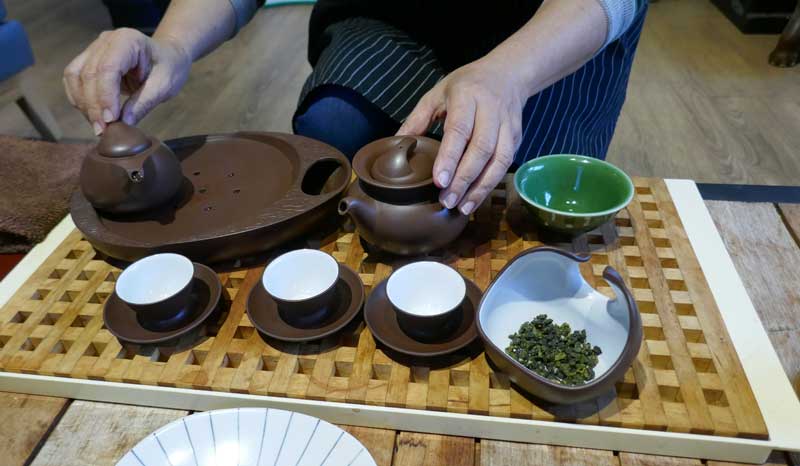
For anyone who enjoys cooking or seeing how local dishes are made, joining a Taiwanese cooking workshop comes highly recommended. I took a class with a lovely instructor who hosts intimate cooking sessions right in her home kitchen, appropriately named Ivy's Kitchen. The group is limited to up to 5 participants. At the beginning, the host welcomed us with tea prepared in accordance with traditional tea etiquette. Website: kitchenivy.com/
After preparing the dishes, everyone sits around her dining table to feast on the meal together. Very tasty and informative.
You can customize the menu preferences in advance, choosing between vegetarian and meat dishes. Cooking is done with high-grade local ingredients and you receive the written recipes. Guests take an active hands-on role. The class lasts about two hours.

Sample Taipei Food Tour
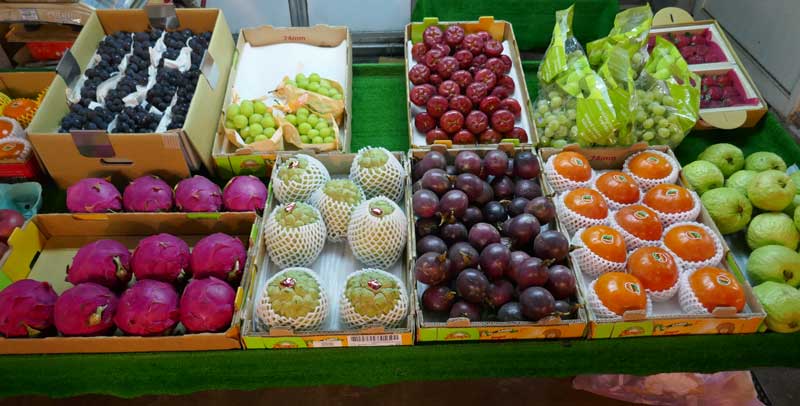
The tasting tour begins at Dongmen Market, a traditional wet market selling fresh vegetables, seasonal fruits, meat, and fish, alongside stalls preparing cooked specialties for passersby.
To help us understand what local dishes consist of, the guide walks between the vendor stalls and explains the traditional culinary uses of various unique vegetables and fruits typical of Taiwan.
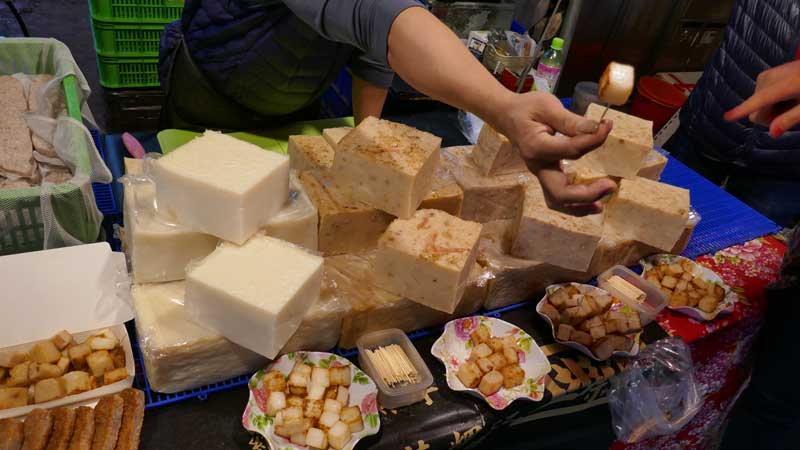
The market walk continues through the butcher and seafood sections with commentary on what is seen.
Along the way, you sample bites from stalls such as sticky rice parcels wrapped in bamboo leaves, tempura fish cakes, sweet pineapple, and other savory snacks.
Afterward, you sit in a nearby tea house sipping whole-leaf tea brewed in the traditional style, paired with assortment snacks of seeds, dried fruits, biscuits, and taro pastry. The guide explains the ceremonial steps involved before and during the tea tasting.
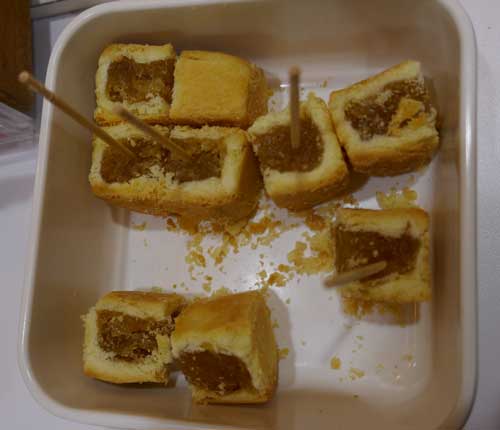
Next is a stop at a pastry bakery to sample traditional pastries including famous Taiwanese pineapple cakes in two flavor varieties, as well as chewy mochi rice treats originating from Japan.
Passing by the original flagship branch of Din Tai Fung (where lengthy waiting queues are typical),
you then dine at a sit-down restaurant serving heritage cuisine from Tainan (Taiwan's historical capital), featuring noodle soup with minced pork and tempura shrimp, pickled tomatoes, fried rice, a stir-fried green vegetable called "dragon whiskers" (chayote shoots), and chilled tofu with dried seaweed flakes.
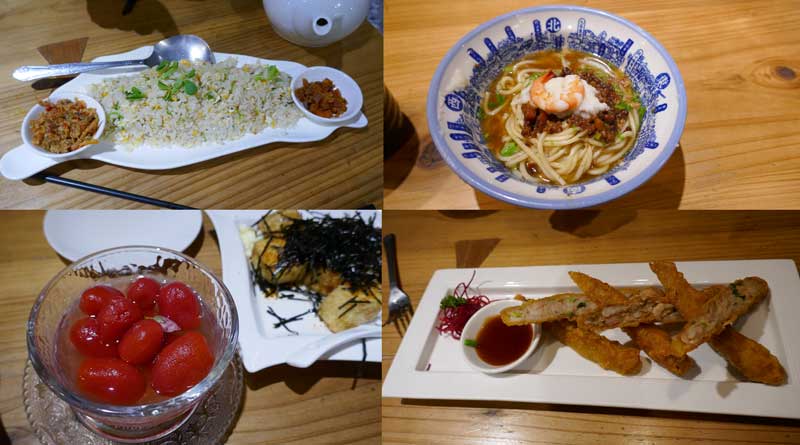
The following stop is at a trendy eatery founded by a former Israeli named Toasteria, where those craving a taste of home can enjoy Mediterranean comfort food: hummus, pita with crispy falafel, and pickles.

Spiritual and Cultural Walking Tour in Taipei
The tour starts at the historic Lungshan Temple, with explanations regarding Taiwan's interwoven religions, temple statues, and folk rituals.
It then moves along historic Dihua Street for insights into the specialty merchandise sold in its apothecary and pantry shops,

exploring sun-dried animal and herbal goods, including shark fins and edible bird's nests harvested from swiftlet saliva, costing thousands of shekels.
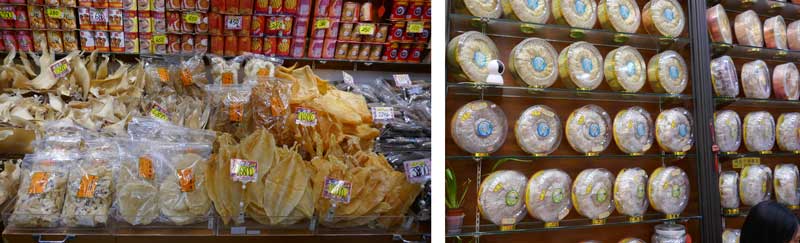
You then visit a shop specializing in dehydrated fruits and vegetables, sampling dried treats with the option to purchase your favorites.
The itinerary also stops at the massive Yongle Fabric Market nearby,

before concluding past the Taipei Xiahai City God Temple, a revered shrine where visitors offer prayers for auspicious matchmaking and romantic luck.

♦ Taipei and Vicinity Shore Excursions for Cruise Passengers from Port of Keelung
The nearest cruise port serving Taipei is the Port of Keelung, located roughly 20 km northeast of Taipei. Guided tours covering both Taipei and the surrounding countryside can be booked directly through Viator from this port. The recommended excursions below include pickup and drop-off return transfers to the Keelung cruise terminal.
♦ Booking Keelung cruise passenger shore excursions on Viator: