Travel Guide to New Orleans, Louisiana
♦ Routes (free): Detailed travel itineraries in USA
New Orleans is one of the most special and fascinating cities in the USA. It is not at all like any other city in the country—not in its building style, which resembles a European city, not in its atmosphere and culture, and not even in its food and customs. Is it any wonder that the city was chosen in 2015 by the prestigious travel magazine Travel + Leisure as the second most popular tourist city in the USA?
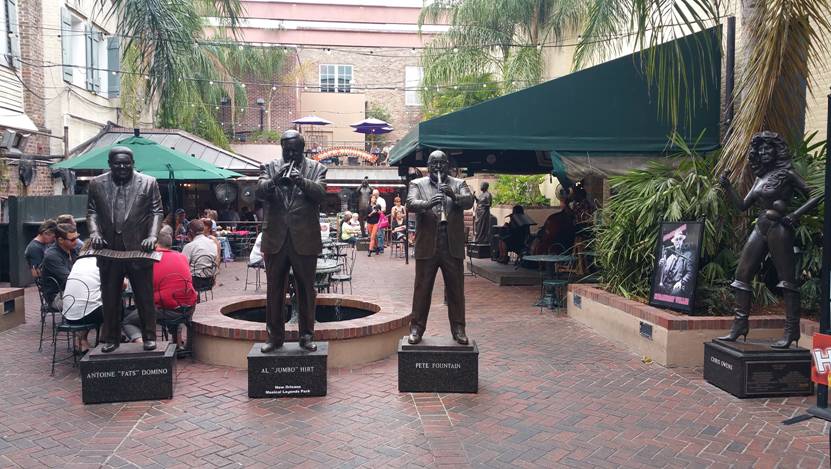
New Orleans is the largest city in the state of Louisiana in the southern USA and is situated on the banks of the Mississippi River. Its port, built along the river that winds like a snake and empties into the Gulf of Mexico, is the second-largest cargo port in the USA and the third-largest in the world. One of the city's nicknames is the "Crescent City" because of the moon-like shape of the city as it hugs the Mississippi River. Another popular nickname for the city is "Dixieland," which over the years became a nickname for all Southern states.
Did you know?The nickname "Dixieland" originates from the period when each state in the USA had its own currency. The $10 bill in the state of Louisiana was called a Louisiana Dix ("ten" in French is pronounced "dix"). English speakers called the bills "dixes" and the state where they were created "Dixieland"... Other popular nicknames for the city are: "NOLA" (abbreviation for: New Orleans, Louisiana) and "The Big Easy", due to the relaxed and laid-back character of its residents and especially its jazz musicians. ...
|
♥ Recommended hotels in New Orleans
Most tourist sites and attractions are concentrated over a relatively small area. It is a flat city that is easy and convenient to tour on foot and has excellent public transportation, so there is no need for a rental car. It is recommended to stay in a hotel near the French Quarter. There is no need to be inside the Quarter, but it is certainly recommended in one of the adjacent streets or near the Mississippi River.
A luxurious and colorful hotel with 450 rooms and a large Las Vegas-style casino. Located near the Mississippi River and adjacent to the French Quarter in an ideal location for touring the city. The modern rooms offer a spectacular view of the city and the river. The hotel has 9 restaurants, a massive performance hall, a nightclub, and bowling.
♦ Staybridge Suites New Orleans French Quarter Downtown
A high-quality suite hotel near the French Quarter and across the road from Harrah's Casino. Each of the 182 suites has an equipped kitchen and free internet. The price includes an American breakfast. The hotel has a swimming pool and a gym.
♦ SpringHill Suites by Marriott New Orleans Downtown
A central suite hotel in the Arts District within short walking distance of the French Quarter. The hotel, with 208 suites, belongs to the Marriott chain and offers its guests a swimming pool, jacuzzi, and gym. The price includes an American breakfast.
♦ New Orleans Downtown Marriott at the Convention Center
A hotel with 331 spacious rooms in a classic design located across the street from the convention center and the outlet mall, within walking distance of the French Quarter and adjacent to the river. There is a swimming pool on the hotel roof.
Search for a hotel in Booking on the New Orleans map:
Booking.com
Ordering tours and trips from GetYourGuide.com:
How to get there and for how long?
New Orleans is not close to popular tourist destinations and in order to visit it, one usually has to fly there from another destination in the USA. Few international flights arrive at the city, but there are plenty of flights from a variety of destinations in the USA. It is located 640 km (about 5:30 hours driving) south of Memphis, Tennessee, Elvis's city; about 1,000 km west of Orlando, Florida (9 hours driving); and about 560 km (5 hours) east of Houston, Texas.
Music lovers can take a car trip (with not-so-short drives) between the music cities of the southern USA: Nashville, the country capital, Memphis, and New Orleans.
It is recommended to come to the city for at least 3 to 4 nights in order to enjoy all the possibilities it offers its visitors. If arriving during the carnival period, it is recommended to stay for an even longer time.
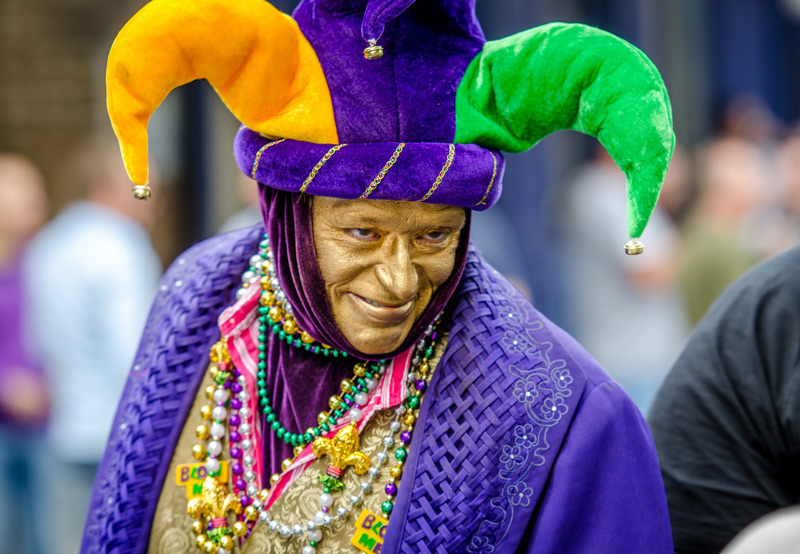
Photo courtesy of Gabi Israel ©
The city's airport is named after Louis Armstrong, the most famous New Orleanian musician:
Louis Armstrong New Orleans International Airport and it is located about 25 km (less than half an hour drive) west of the city center.
♦ Rent a car from the reliable and convenient Booking website: Booking.com
Weather
The most comfortable weather for visiting the area is in the spring and fall. In summer it is hot and very humid, and this is also the period for tropical storms. Even in winter, it is definitely a good idea to visit the city. Temperatures in winter in January, which is the coldest month in the city, range between 8-16 degrees Celsius.
Ironically, the city was established in the 18th century as a shelter from hurricanes, because its founders thought it was a safe place hurricanes could not reach. Since then, not a few storms have hit the city, with the strongest and most destructive of all being "Katrina" Hurricane Katrina—a Category 5 hurricane, the highest possible, which hit the city in the summer of 2005, completely destroyed vast parts of it, and caused the death of about 1,600 people in the state of Louisiana and over 200 in the neighboring state of Mississippi. The district hit the least, because it is higher than the others, was the French Quarter. The city's rehabilitation took long years (and has not finished yet), but despite the destruction, death, and problems it caused, it also "cleaned" the city of problematic elements like criminal gangs or drug dealers, many of whom left it. People who care about the city and are interested in its restoration remained. Today New Orleans is a safer city, cleaner, and much more pleasant than it was before Katrina. Real estate prices in the city are rising and tourism is flourishing more than before.
A Little History
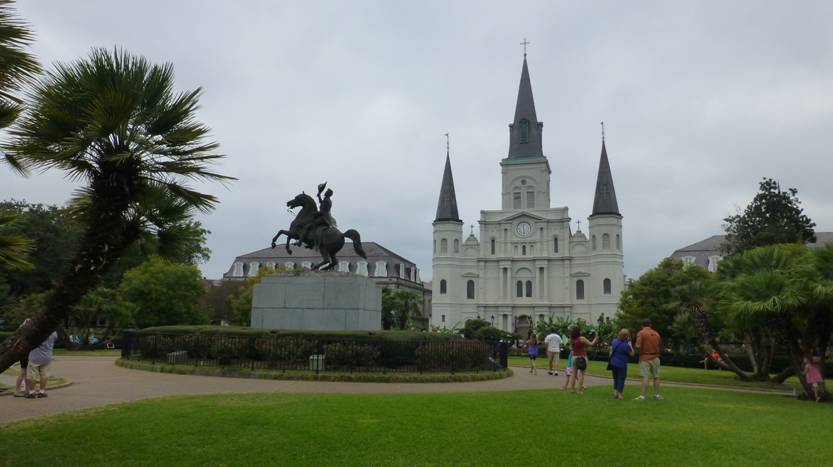
The city was founded in 1718 by the Frenchman Jean-Baptiste Le Moyne de Bienville and started as a camp of huts near disease-ridden swamps. The city, named after the Duke of Orleans, Philippe Duc D’Orleans, gradually grew until the size of today's French Quarter, which is actually the area of the 18th-century walled old city. To this day, most of the street names in the city are French names. New Orleans changed hands and underwent many upheavals: In 1762, following a treaty signed between France and Spain, Louisiana passed to Spanish rule. For 40 years New Orleans was a Spanish city. The main building style in the Old City, which today forms the French Quarter, is Spanish and not French, and this is because two massive fires broke out in 1788 and 1794, during the period of Spanish rule, and completely destroyed most of the city's buildings. In 1803 it returned once more to French control, but for 20 days only. Napoleon, who needed a lot of money for his wars, sold it to the Americans in an agreement named: Louisiana Purchase. For only 15 million dollars(!), the USA received the state of Louisiana, which was much larger than its area today: it was from the Mississippi River in the south to the Canadian Rockies, in an area where today there are many states and territories of the USA and Canada.
Guided tours and trips in New Orleans:
Mardi Gras Carnival
Many have heard of New Orleans because of the largest carnival in the USA celebrated there every year in winter: the "Mardi Gras" Mardi Gras. The celebrations start on January 6th and reach their peak at the end of the carnival on "Fat Tuesday," whose date changes every year between February 3rd and March 9th. Much information on the carnival events and the many parades and events held during it can be found on the website: www.mardigrasneworleans.com
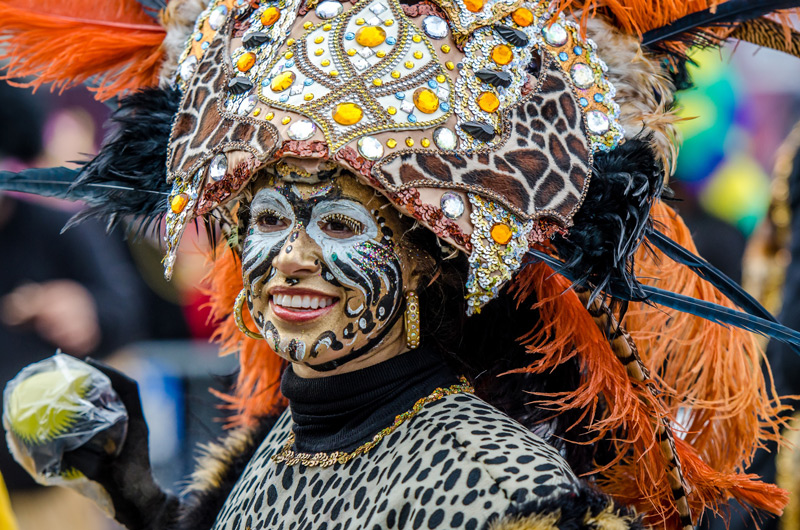
Photo courtesy of Gabi Israel ©
This is naturally the busiest season in the city and also the most expensive. But even those who arrive at another time in the city will be able to get an impression of the costumes and decorated platforms at "Mardi Gras World." The colors decorating the city are the Mardi Gras colors: purple symbolizing justice, green symbolizing faith, and yellow symbolizing power.
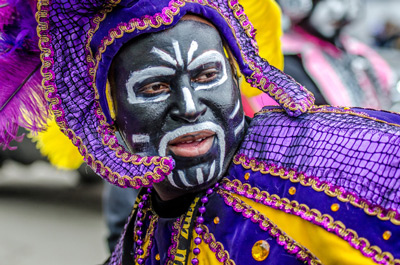
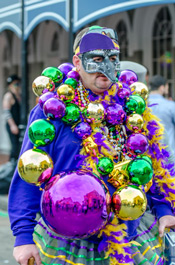
Photo courtesy of Gabi Israel ©
Music
New Orleans is the jazz capital of the USA and much beyond that: it is the birthplace of jazz which also led to the birth of rock and roll and blues in this musical city where countless clubs offer live music both during the day and at night.
Tickets for various events and shows of music, theater, and sports in New Orleans can be ordered at the following recommended site:
TicketNetwork.com
Did you know? The meaning of the word "jazz" is energetic and vigorous, which also fits the description of the atmosphere in the city, which is vibrant every single day of the year. Colorful necklaces are thrown at the crowd in the streets, even when there is no festival or specific event being celebrated.
Bars and Clubs
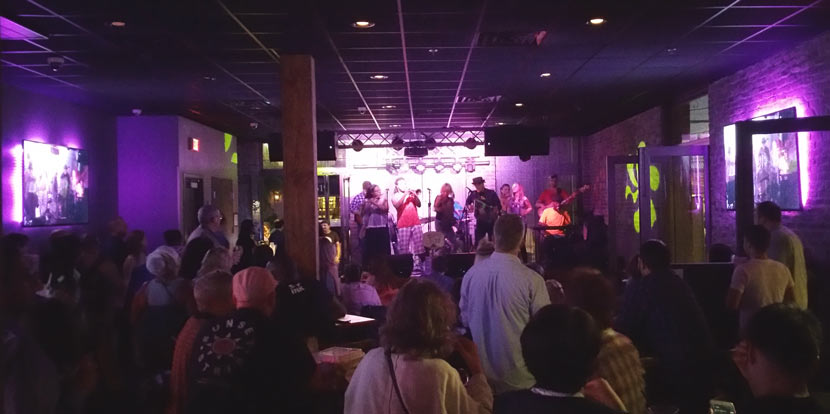
Alcohol is also served at all hours of the day and night in the bars and many clubs spread in every corner, primarily in the French Quarter. It is very common to enter one bar, sit and drink a bit, and then take what you haven't finished in a disposable cup and continue drinking in the street until entering the next bar for another drink.
The street with the highest concentration of clubs and bars in the city is Bourbon Street, located in the heart of the French Quarter in the Old City. Alcohol prices in the city's bars are among the cheapest in the USA.
Did you know?The most popular drink in New Orleans is the "Hurricane," a sweet and red cocktail that was first concocted and produced in a bar named Pat O’Brien’s (still active today) as early as 1940. It is based on rum, fruit juice, and syrup.
|
Ghosts and Graves
New Orleans is also considered the most haunted city in the USA. It is the city where the "voodoo" VOODOO culture began in the USA in the early 19th century. it attracts many researchers interested in reincarnation and tourists who are fans of "ghost tours." There are 42 cemeteries in the city and its suburbs, where most of the graves and monuments are built above ground, because the water level in the city is high and they do not want the graves to be flooded or sink. Many monuments look like impressive sculptures, which has turned the city's cemeteries into a popular tourist site. A variety of guided tours are held in some of the cemeteries.
Did you know?♦ The grave of Marie Laveau, the "Voodoo Queen," attracts more tourists than the grave of Elvis Presley in Tennessee. There is usually a long line of visitors next to it who wish to be photographed with the grave. ♦ The game of poker and also betting on dice started their way in New Orleans. To this day it is a favorite city for gamblers with casinos, with the largest and most luxurious of all, in the style and atmosphere of Las Vegas, located in the "Harrah's" hotel Harrah's New Orleans. ♦ Tabasco, the hot pepper sauce, also originates from New Orleans, is produced there to this day, and is naturally sold in a variety of versions in the city's many food and souvenir shops.
|
The French Quarter French Quarter
The French Quarter French Quarter, also known as Vieux Carré, is undoubtedly the "heart" of New Orleans and the place to which most of your time should be dedicated. The Quarter was declared a National Historic Landmark. It has interesting architecture, of houses with balconies and courtyards, and a character and atmosphere that cannot be found anywhere else in the USA.
The Quarter is relatively small but very diverse: 13 blocks wide and 6 blocks long, bounded by the Mississippi River to its south and to the west by the expansive Canal Street. In its center is Jackson Square, which is filled with spectacular street performances and live music shows every day of the week.
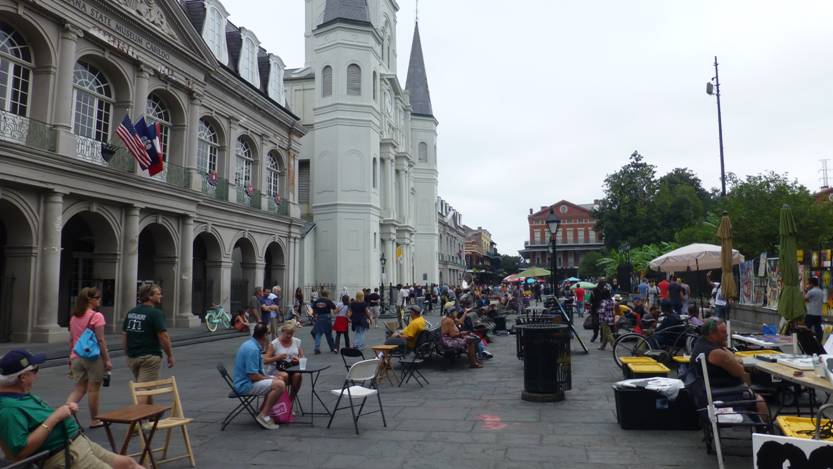
From the square, you can go on a tour of the Quarter in decorated horse-drawn carriages.
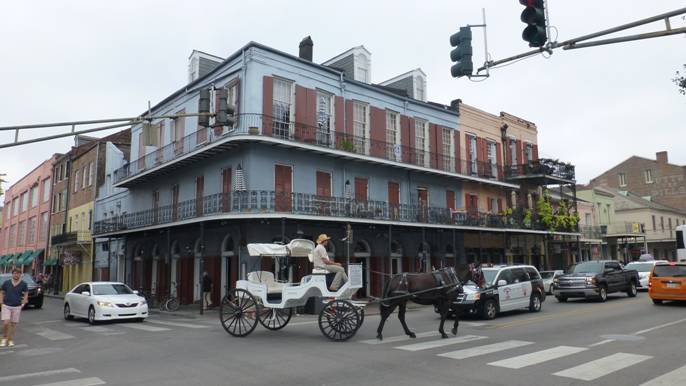
The street with the concentration of bars and clubs is Bourbon Street and adjacent to it is Royal Street, also known as the "Street of Galleries," where there are dozens of impressive galleries for sculptures, paintings, antiques, and artworks.
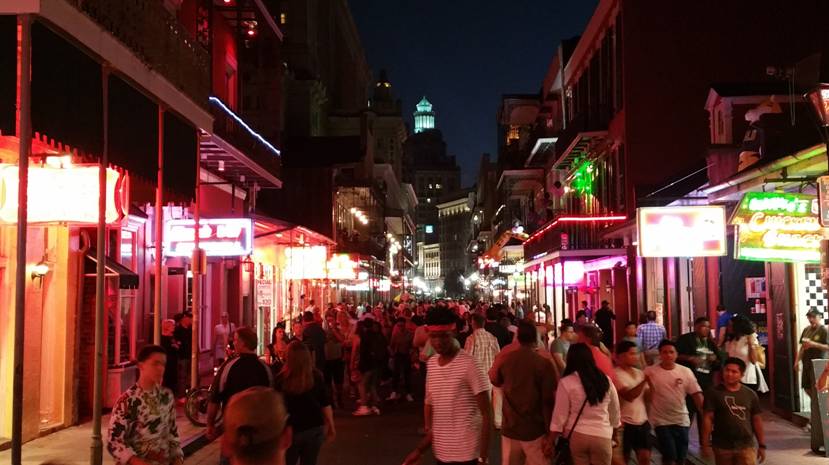
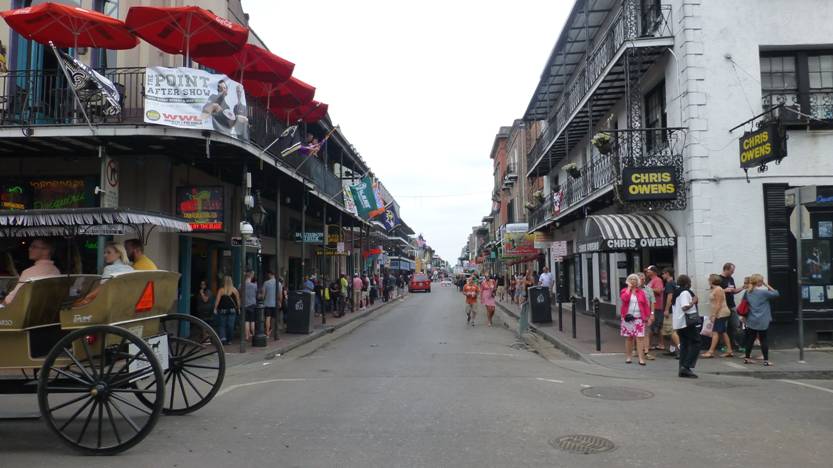
In the French Quarter, there are countless restaurants, cafes, shops, and clubs, and it's fun to wander through it on foot and soak up the atmosphere. while walking in the Quarter, you will likely come across a wedding procession where the groom and bride, accompanied by their guests, dance in the streets alongside a marching band and throw colorful necklaces at passersby.
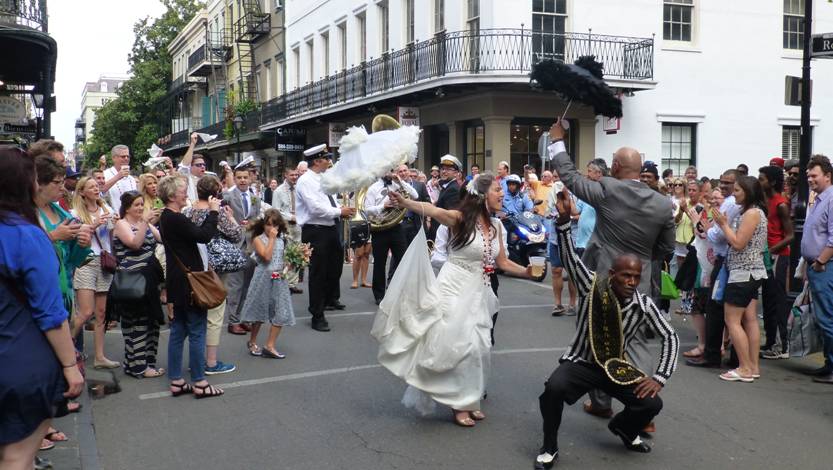
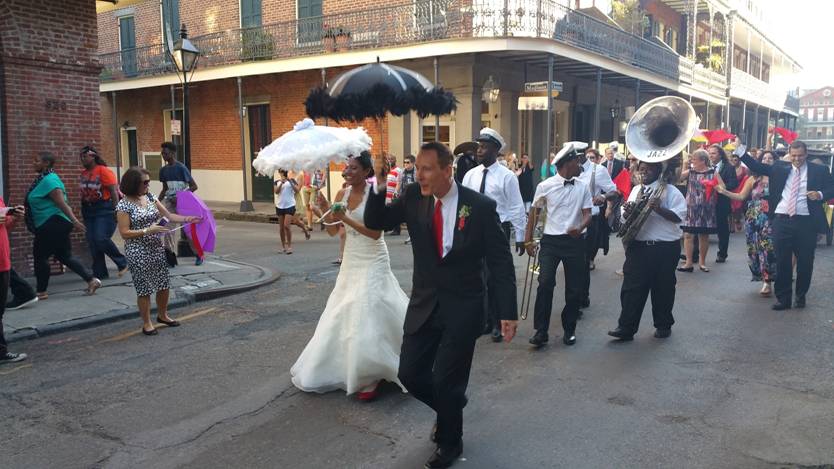
The French Quarter is also full of souvenir shops that sell, in addition to mugs, magnets, postcards, and the typical products of souvenir shops in every city, also a wealth of necklaces and masks. You will get the most attractive prices for souvenirs at the "French Market" French Market located at the end of the French Quarter.
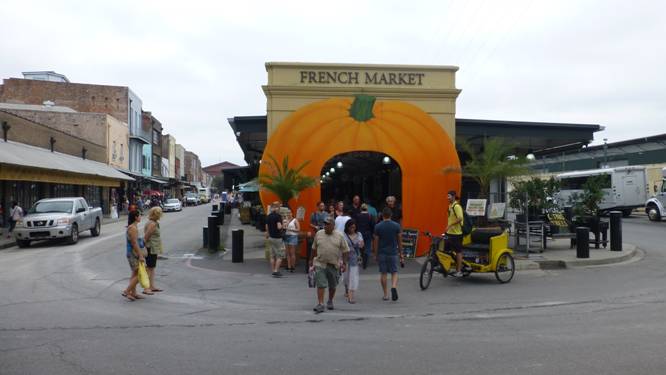
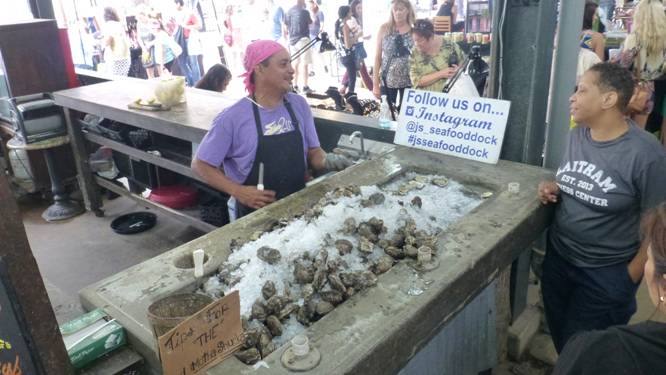
In the market, in addition to souvenirs, fashion accessories, decorations, and clothing of all types, there is also a food market with a large variety of stalls selling typical food and, of course, lots of oysters.
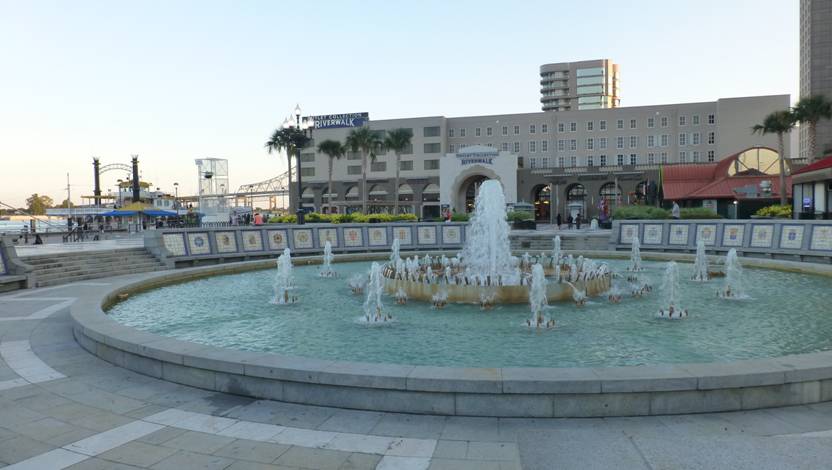
Those who prefer brand-name stores will find what they are looking for at the modern outlet mall located on the banks of the Mississippi River: The Outlet Collection at Riverwalk .
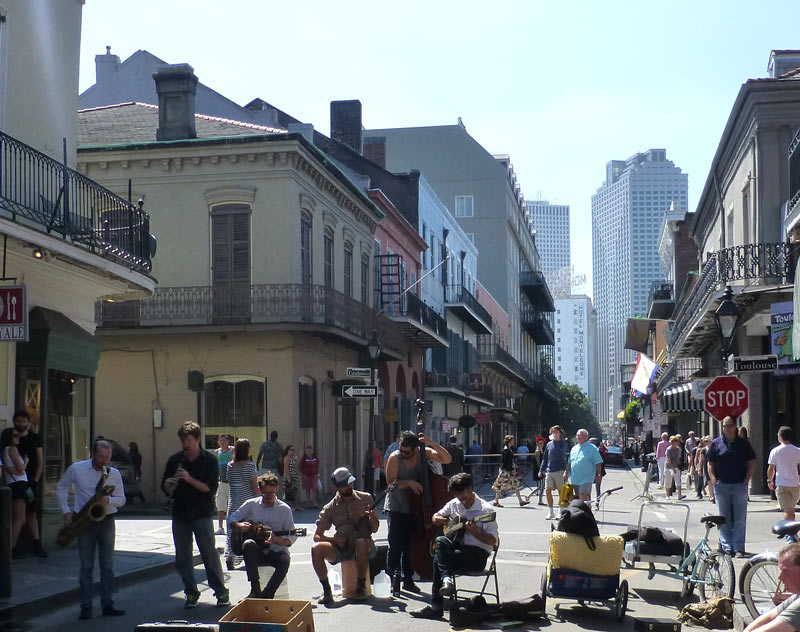
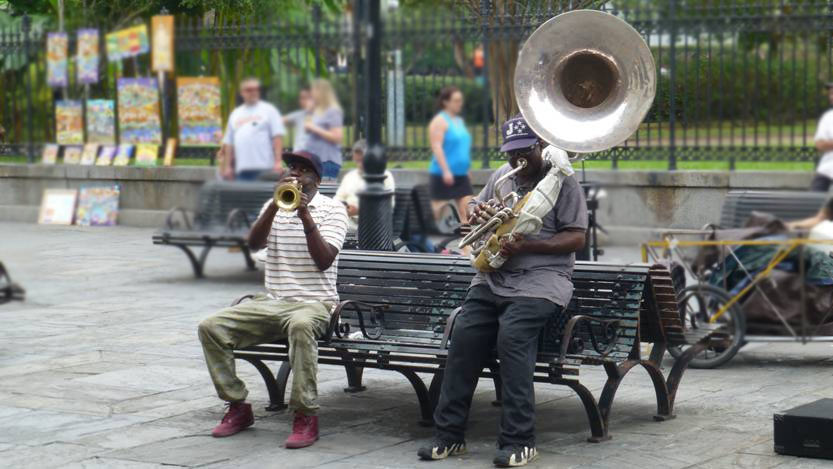
Throughout the Quarter, there are street bands playing a variety of musical and wind instruments for passersby in exchange for a tip.
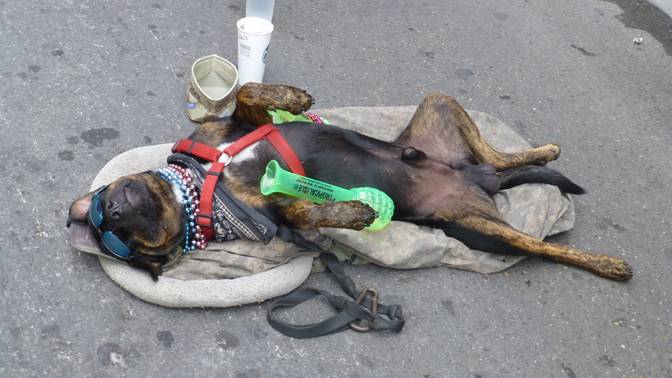
Some have four-legged assistants to collect the tip...
Guided Walking Tours
The most recommended way to learn about the wonders and secrets of this special and fascinating Quarter and to learn about the culture of New Orleans, its history, lifestyle, and also about its foods, drinks, and music is through guided walking tours. There are plenty of options. The most recommended are:
TeachMe Tours – FeedMe Tours
In my opinion, it is the company with the most recommended tours in the city! It is a young company with a pair of charming and knowledge-filled guides. The tours are in small groups and focus on a specific aspect of the city, for example: culinary tours, tours following the city's cocktails, a tour following ghosts or "voodoo" mysteries, and the most recommended tour in my opinion: a tour following the nightlife of New Orleans, the Nightlife and History Tour.
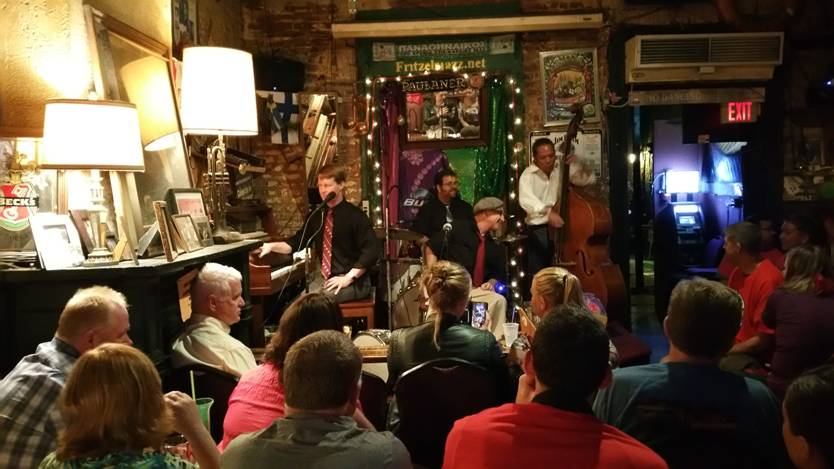
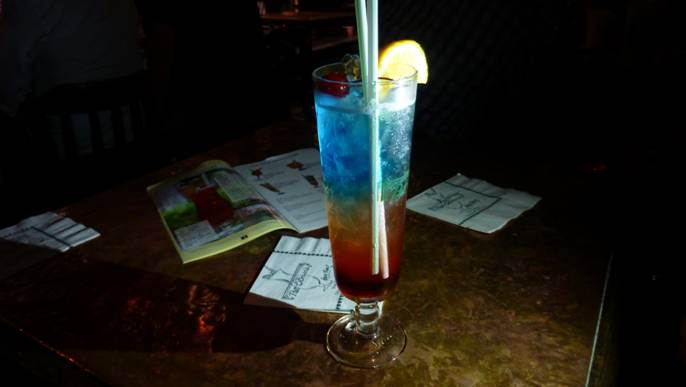
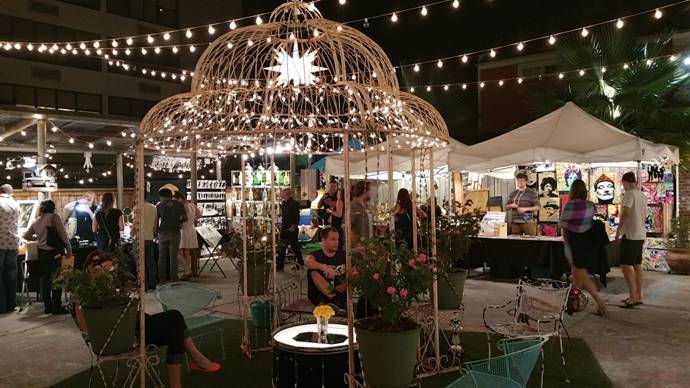
All tours also combine fascinating facts about the city's history and culture. In the night tour, you will pass through 5-6 nightclubs in the French Quarter and also on Frenchman Street adjacent to the Quarter, which is considered the street where locals tend to hang out. During the tour, you will learn about the uniqueness of each of the bars and clubs, taste the most famous drink characterizing it, and of course, listen to live music performances.
Another company specializing in culinary tours in the French Quarter is:
New Orleans Culinary History Tours
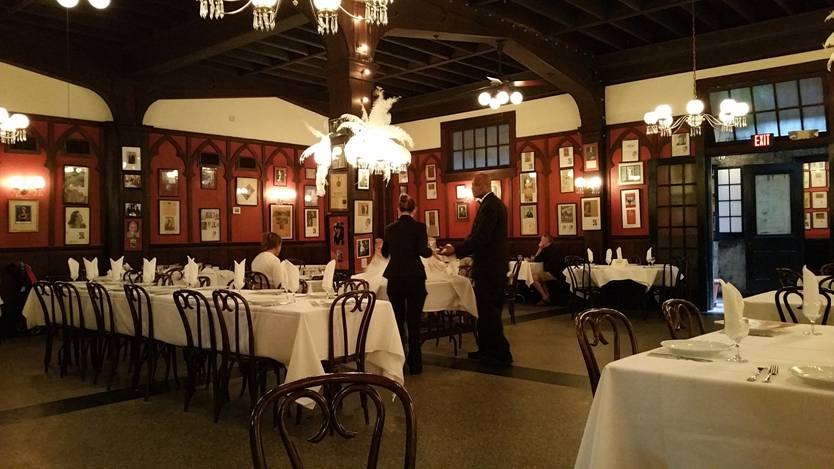
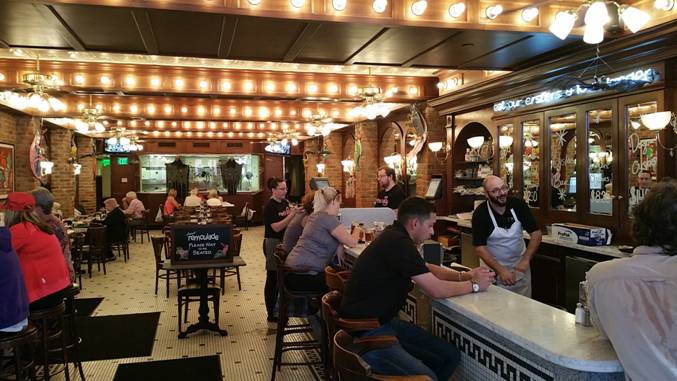
On the company's 3-hour tour, you will taste the most characteristic foods of New Orleans, understand what is unique about Creole cuisine and Cajun cuisine, taste "classic" dishes with interesting names like Jambalaya, Gumbo, or Mufflettas (which does not at all resemble the Mimuna muffuletta we have), tour legendary restaurants such as Antoine’s, which has been operated continuously by the same family since 1840,
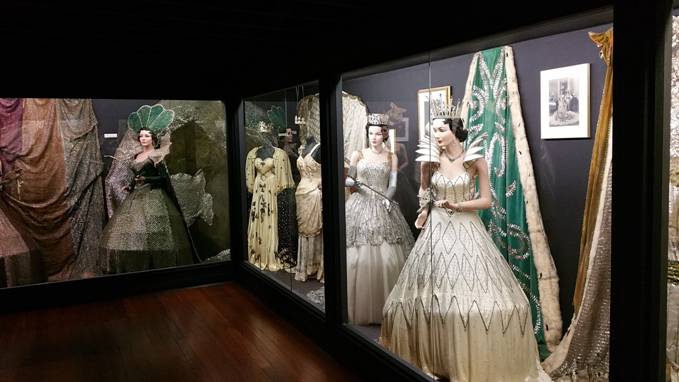
or the high-end Arnaud’s restaurant, which conceals a costume museum with a dramatic story,
You will taste the desserts that characterize New Orleans, including of course the donuts considered a brand in the city, Beignets, and while doing so, you will hear fascinating stories about the Quarter and its secrets.
The company also has a separate tour following the classical alcoholic drinks in the city, but the "drinking tour" is most recommended with:
Crescent City Cocktail Crawl
The energetic guide Brian will take you to the most beautiful and popular bars and restaurants in the city, teach you about the drinks characterizing each place, about the famous guests who drank and hung out in them (including US presidents, actors, and playwrights—you can get inspiration in the hotel bar where playwright Tennessee Williams wrote "A Streetcar Named Desire"), and about the culture of drinking and recreation in the French Quarter. Of course, you won't leave thirsty...
French Quarter Phantoms
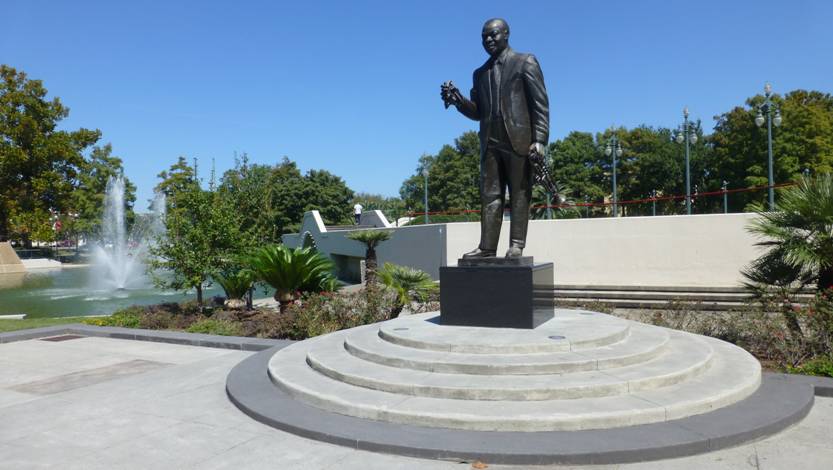
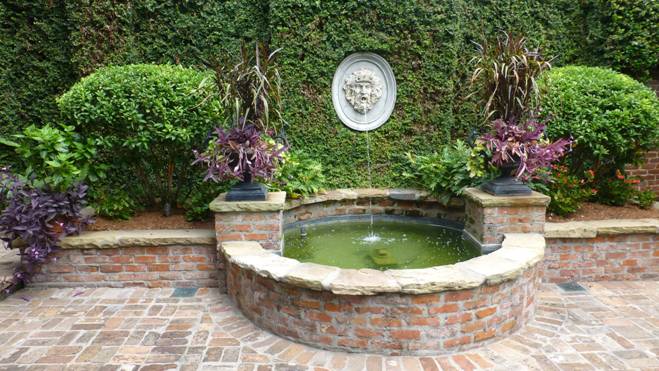
This is one of the city's largest companies with a wide variety of tours: from its famous and most popular "Ghost and Vampire Tour" Ghost tour and Vampire Tour, through a tour following the music, a cemetery tour, and even a tour of the historic "Treme" neighborhood, a historic district rich in Creole culture bordering the north of the French Quarter. This was the African-American neighborhood in the city, where Louis Armstrong started his journey and where the city's rich musical past began in Congo Square. Today, Armstrong Park is located in the neighborhood, overflowing with vegetation, fountains, and sculptures, where there is a jazz performance hall.
Le Monde Creole tours
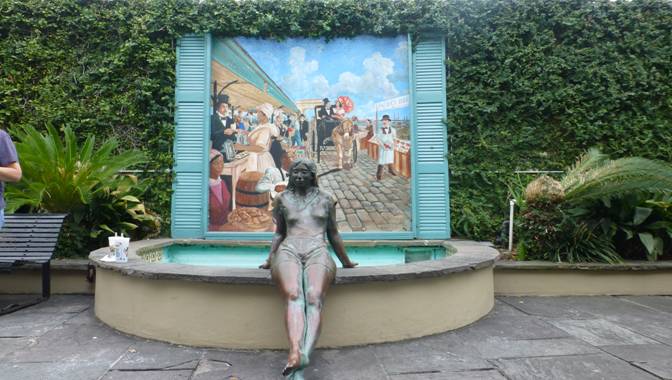
This company has a recommended tour: The Insider's French Quarter Courtyards & Cemetery tours lasting about two hours, which passes between the city's buildings and focuses on the hidden and magical inner courtyards and also reaches the city's most famous cemetery "St. Louis No. 1." during the tour, you will learn spicy and amusing facts about the city and its fascinating past and see hidden places you wouldn't have reached on an independent tour.
Additional Attractions in the City and its Surroundings
Even outside the French Quarter, there is much to see and do in the city that broke several Guinness records:
Superdome
Its stadium, the "Superdome" Superdome, whose construction was completed in 1975, was considered for almost 20 years to be the largest indoor stadium in the world. Sports fans are recommended to watch one of the NFL games held there or at least take a guided tour. Also the longest continuous bridge in the world crossing a giant lake—Lake Pontchartrain Causeway—is located north of the city and leads to it.
Garden District
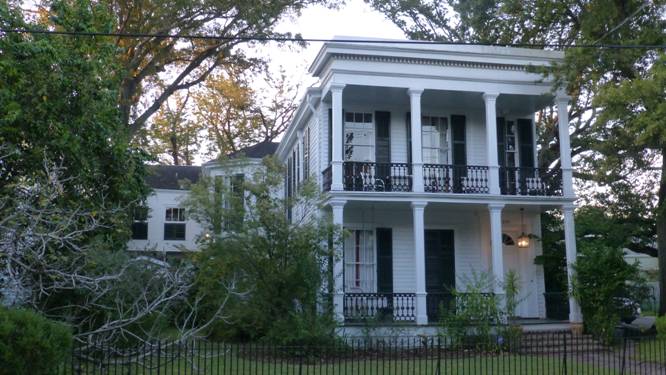
It is also worth visiting the prestigious and lovely historic Garden District, which was built and developed in the 19th century by the Americans who arrived in the city after it was purchased from Napoleon. The district is full of magnificent mansions nestled in blooming gardens and preserves the southern charm to this day. Many movies were filmed in the photogenic district and many celebrities (two names for example: Nicolas Cage and Sandra Bullock) purchased homes in it.
Steamboats
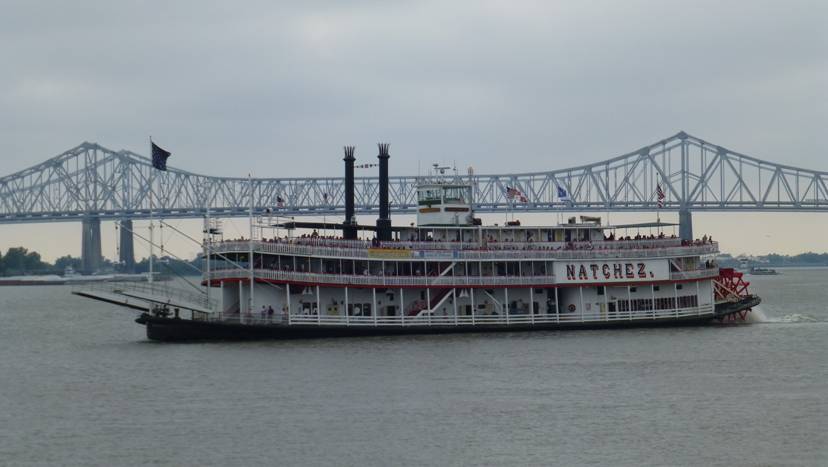
A visit to New Orleans is not complete without a cruise on one of the steamboats that sail on the Mississippi River and while cruising scenically play pleasant music.
Swamp Nature Tours - Cajun Encounters
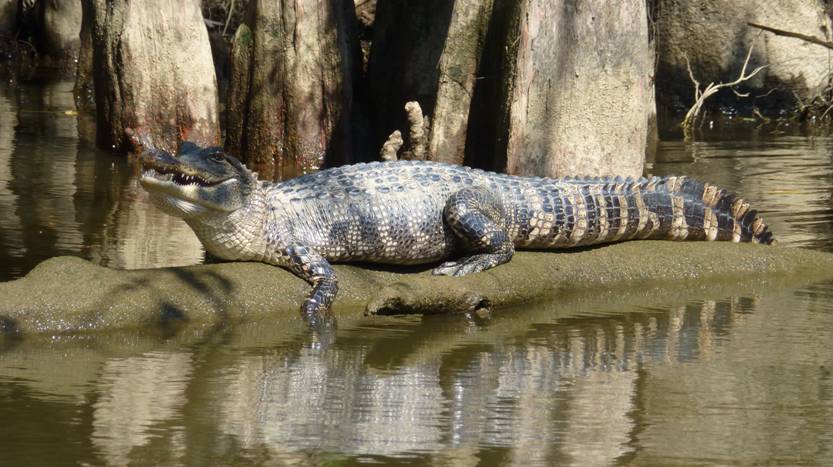
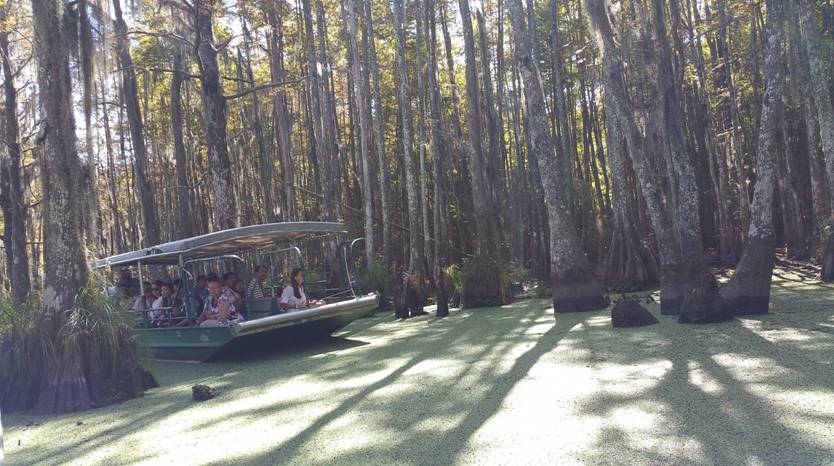
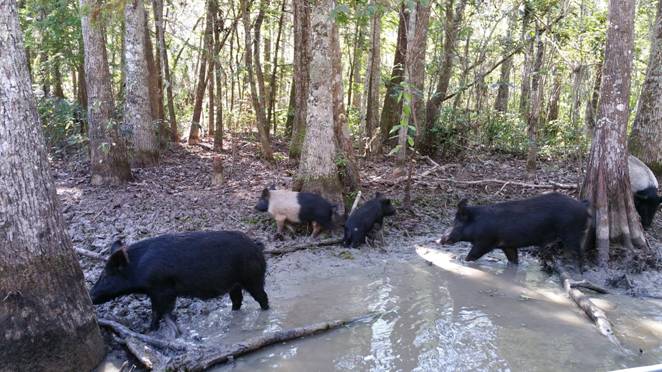
It is recommended to go out for a half-day trip north of the city to its swamp area. Cajun Encounters has recommended tours in a swamp named "Honey Island Swamp" which include an ecological guided boat trip in the swamps, during which you will see alligators, raccoons, turtles, snakes, wild boars, and a variety of birds up close. You will sail in the shallow waters of giant swamps between mangroves with air roots and learn a lot about the animals characteristic of the area. The company provides transportation from the city center for those without a car.
Family Attractions and Museums
There are no large amusement parks in New Orleans but it has a selection of family attractions: from the city's large and recommended aquarium, situated on the bank of the Mississippi River—Audubon Aquarium of the Americas—and the adjacent Insectarium butterfly and insect zoo, through the expansive Audubon Zoo, to the city's recommended children's museum which is particularly suitable for young children—Louisiana Children's Museum.
There are many other museums in the city:
A large and renewing museum stretching across several buildings is:
The National WWII Museum, another high-quality museum located in a historic building in the heart of Jackson Square is the Louisiana State Museum (its exhibition on Hurricane Katrina and its effect on the city is particularly fascinating).