Travel to the Island of Molokai in Hawaii
♦ Routes (free): Detailed travel itineraries in USA
General
Molokai is an island adjacent to Maui in Hawaii, with a total area of about 673 square kilometers. It is the fifth largest island in all the Hawaiian Islands, located between Oahu and Maui. About 8,000 residents live on the island. Approximately 40% of them are of Native Hawaiian descent, a fact that earned the island the nickname "The Most Hawaiian Island." The second largest ethnic group is of Filipino origin. The island has another nickname, "The Friendly Isle."
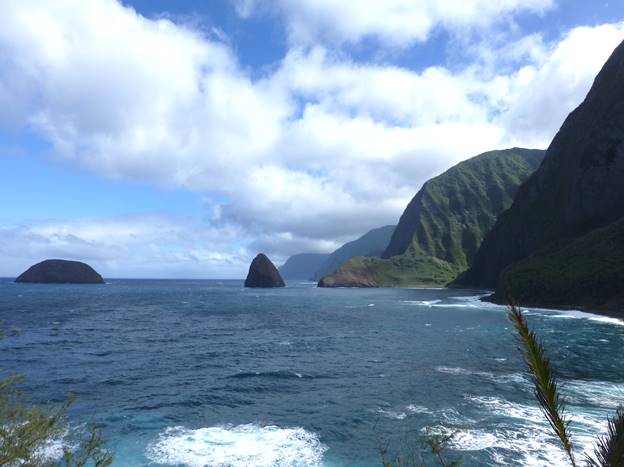
The island is built from two volcanoes that divide it into two geographical parts: the western side, which is relatively low and dry, and the eastern side, which is high and rainy. The volcano, West Molokai, is smaller, and in East Molokai lies the highest point on the island, Kamakou (1,510 meters). The eastern volcano is actually the remnant of the original volcano. The northern part of the volcano erupted and collapsed about 1.5 million years ago, and its remains on the island are the highest sea cliffs in the world. The movie "Jurassic Park 3" features many images of those cliffs. On the southern coast of Molokai is the longest coral reef in the US, about 40 km long.
The largest city in Molokai is Kaunakakai, which is one of the two small ports on the island. About 2,730 residents live in the city. Other major towns on the island are Kualapuu, with about 1,940 residents, and Maunaloa Village, with about 230 people. The island's visitor center, the Molokai Visitors Association, is located in the center of Kaunakakai.
Molokai residents are protective of their local culture and way of life. They fear that their peaceful island will become a tourist hub, like Honolulu for example, and therefore strongly oppose massive waves of tourism and the arrival of large cruise ships to the island, but they welcome individual tourism and the independent traveler and are very hospitable. Today, about 75,000 tourists arrive in Molokai annually. The main employment for locals is tourism and agriculture, but it is important to note that the unemployment rate is high compared to the larger islands in Hawaii. Molokai is an island intended for those who want to experience "the Hawaii of the past." Some say it reminds them of what the more touristy islands (e.g., Oahu and Maui) were like many decades ago. This is an island suitable for those who want to get away from the crowds, get a close look at Polynesian customs, walk peacefully along long beaches or forests, and meet almost no other tourists. It is suitable for those seeking peace and relaxation who want to feel as if time has stood still. Here you won't find McDonald's or Walmart, there are no traffic jams, and in fact, there is almost no traffic... sometimes you will drive a long way without seeing a single car passing you by. There are no mass Luau shows, but you can sing and dance with the locals together, and even for free...
Special experience: Order a flight over Molokai and Maui from GetYourGuide.com:
Or a similar flight from the Viator site:
♦ Experience a flight from the island of Maui by helicopter over Molokai and West Maui:
West Maui and Molokai Special 45-Minute Helicopter Tour
Weather
The weather in Molokai changes very little throughout the year. The average daytime temperature in the winter months in Kaunakakai is 25°C, while in the hot summer months, the average temperature stands at 29°C. At night, the temperature is about 5 degrees Celsius lower than during the hot hours of the day. The average annual precipitation in Kaunakakai is only 290 millimeters. The area of East Molokai is higher, cooler, and rainier than the West. In the east, there are dense rainforests and high mountains. In contrast, the west and center of the island are warmer areas. The west of the island is the most arid region on the island.
Transportation
Until 2016, it was possible to reach the island by both flight and ferry. However, the only ferry line that operated between Maui and Molokai closed in 2016, and since then the island can be reached by flight only despite its short distance from Maui.
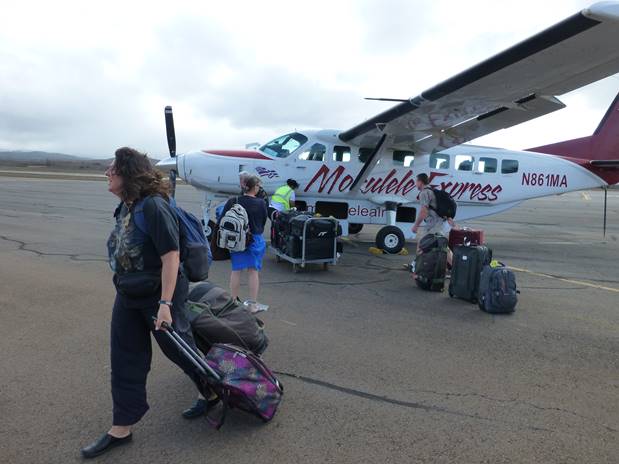
Since there is no public transportation of any kind on the island, the most convenient and cheapest way to tour the island is by rental car. Those who do not wish to rent a car and are not arriving on an organized tour can use the island's official and largest taxi company, Hele Mai Taxi.
Hotels
Molokai has a rather limited number of accommodation options, including a few hotels, condominiums, vacation rentals from private owners, a few hostels, and a small number of Bed & Breakfasts. Since the variety of accommodations is quite small, it is highly recommended to book your stay as early as possible! Here are some accommodation options:
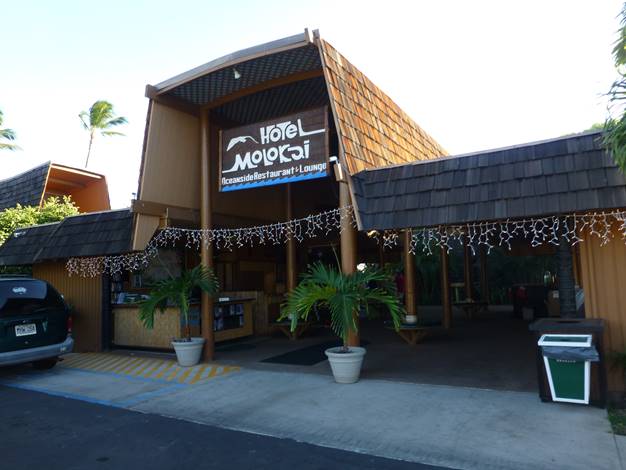
Hotel Molokai - A hotel located on the exotic Kamiloloa beach. The hotel is essentially a Polynesian village with cottages whose design blends tradition and culture with modern amenities. It is located near the only "big city" on the island, in a central location convenient for touring all over the island. The hotel has a swimming pool, hammocks on the beach, a gift shop, and plenty of atmosphere. From its bar and beach, you can watch beautiful sunsets. A recommended and recommended hotel.
A complex of 100 housing units, most of which overlook the sea. There are one-bedroom units with one bath, and larger two-bedroom units with two baths. All apartments have an equipped kitchen. Located in the largest city on the island in a central and recommended location for trips all over Molokai. The hotel is close to the beach.
Ke Nani Kai - A resort complex featuring 120 apartments, including one-bedroom or two-bedroom suites. In addition to the cabins, you will find two tennis courts, a large pool, a jacuzzi, a BBQ area, picnic tables, and many acres of palms and tropical flowers. Located in the west of the island, it suits those looking for a peaceful and secluded place alongside sandy beaches suitable for swimming mainly in summer and surfing in winter.
Paniolo Hale - A complex of 77 housing units, also located in the fairly deserted western part of the island. The complex contains studio apartments with one or two bedrooms, an equipped kitchen, washer, and dryer. The complex is near the beach in a quiet environment. Most units belong to private owners.
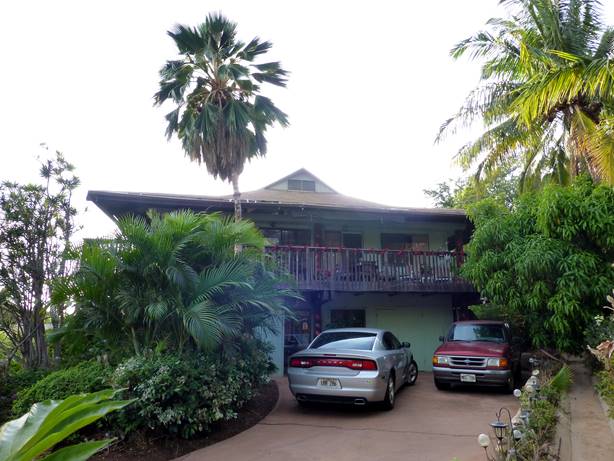
Ka Hale Mala B&B - A ground-floor apartment with a bedroom, a fully equipped kitchen, and a giant living room suitable for up to four people. Located in a quiet and green residential neighborhood in a central and convenient location for touring throughout the island. The apartment has attached parking. The homeowner lives on the upper floor and provides rich and pampered breakfasts, as well as teaching guests about everything there is to see and do on the island, from major attractions to small, hidden, and non-touristy places.
The Beaches of Molokai
The island's coastline stretches over 106 km, with 34 beaches on the island. However, swimming is permitted on only 6 of them. Most of the sandy beaches are located on the west of the island. Two especially noteworthy ones are:
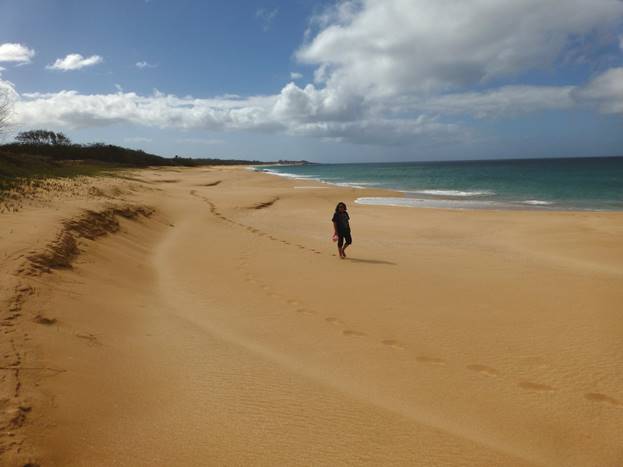
Papohaku Beach
The longest sandy beach in Hawaii. It stretches over 4.8 km of soft white/yellow sand, and you will almost always find yourself walking there alone. Usually, there are very strong currents along the beach and swimming is not recommended! The beach has restrooms and changing rooms.
Dixie Maru Beach
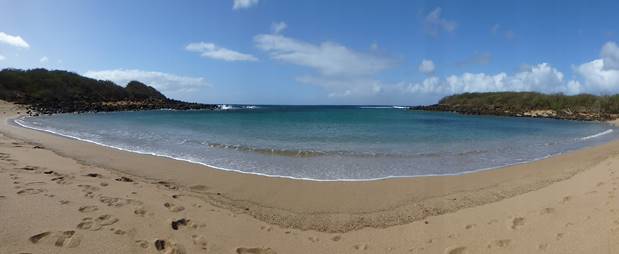
A recommended swimming beach in the southwest of the island located in a protected bay. There are no facilities of any kind at the beach. Access is via Pohakuloa Road. You reach a dead end and turn onto a short paved unnamed road towards the sea. In the winter months when the sea is especially stormy, one must be careful of strong currents, but on most days of the year, this is a wonderful quiet beach with a golden sand strip and a backdrop of green vegetation. The beach is especially loved by the locals.
It is important to note that those looking for pampered and quiet beaches with tourism services and lifeguards will be disappointed to find there are none in Molokai. In the winter months, most beaches are stormy with strong currents. At the same time, those looking for long and isolated beaches with endless sands and wild views will celebrate in Molokai.
Murphy Beach
The most recommended snorkeling beach in Molokai is located at mile 20 of Road 450 on the eastern side of the island, where the reef surrounding the island is closest to the shore. There are no lifeguards or showers, and not even an organized parking lot. The beach has a golden sand strip and snorkeling is possible only when there is high tide. At low tide, the water is too shallow.
Parks
Molokai has 15 parks: three state parks, 11 county parks, and one national park. The highest point on the island is the summit of Kamakou, which is 1,515 meters high. The island has plenty of hiking trails for all levels of difficulty.
Attractions
Helicopter Flight:
Order a helicopter flight from the Viator site - departing from Maui and flying over West Maui and over the island of Molokai:
West Maui and Molokai Special 45-Minute Helicopter Tour
Kalaupapa National Historical Park
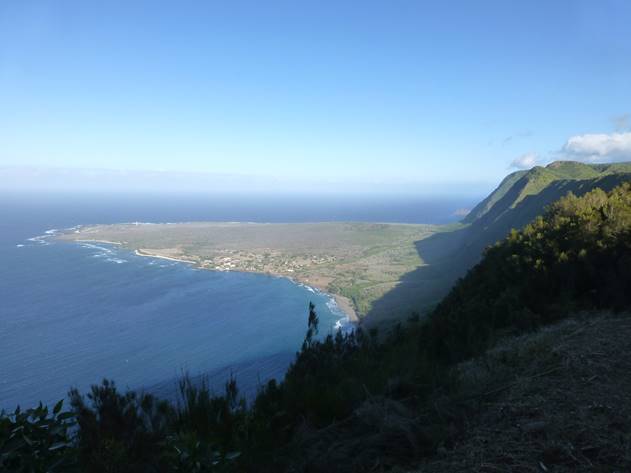
The park is considered the number one tourist attraction in Molokai. The national park was established in 1980, but its roots go back to 1866, when the Hawaiian government decided on a policy of separation between healthy locals and leprosy patients in an attempt to overcome the epidemic and prevent infection. Patients were forcibly moved to the northern Kalaupapa peninsula. Helpless sick people were cast from boats into the stormy sea near the shore of the isolated peninsula, which is surrounded by the sea on one side and high cliffs on the other. The Kalaupapa Peninsula and the steep cliffs that disconnect it from the rest of the island:
The segregation policy ended only in 1969, but it was decided to establish the park to preserve the culture of the patient colonies and the memory of the patients themselves. To this day, a handful of patients who have recovered but preferred to stay in the place they know reside there. They are all seniors and currently enjoy comfortable living conditions, devoted care, and state pensions. The park tour teaches about the colony, the patients' struggle and suffering, the priest and nun who cared for them devotedly, the churches they built, the schools, etc. In addition, the purpose of the park tour is also to expose visitors to the disease, which to this day is characterized by fear and ignorance. The park can be visited only as part of a guided tour. Guided tours depart Monday-Saturday, except on Thanksgiving, Christmas, and January 1st. Entrance for children under age 16 is prohibited. Reservations for guided tours must be made in advance. The visit must be coordinated with the Damien Tours travel company at 808-567-6171. The most recommended and experiential way to visit the place is by riding mules, organized by the Kalaupapa Guided Mule Tour company.
The ride takes place on a 4.6 km trail down the highest sea cliffs in the world, in an impressive ancient landscape on a narrow, steep, and winding path that includes 26 sharp turns. Not recommended for those who fear heights!
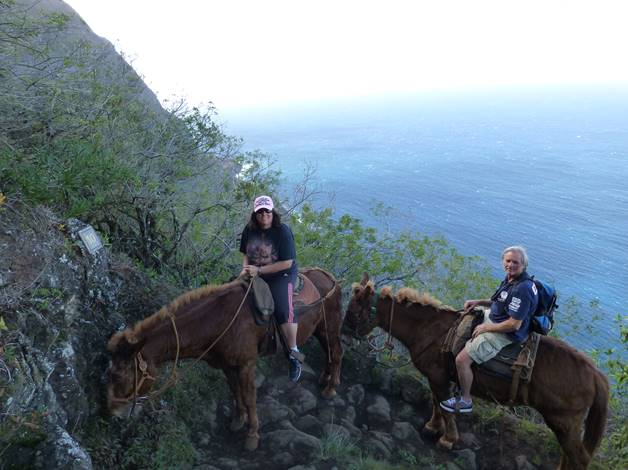
The guided park tour includes the mule ride back and forth and a light lunch. The ride each way takes about an hour and a half. The total duration of the entire tour (including instructions on riding and controlling the mule) is about 7 hours (from eight in the morning until three in the afternoon). This tour is considered one of the most impressive and unforgettable experiences while visiting the Hawaiian Islands.
One can also hike (for a fee) on the steep trail down the cliffs and join the guided tour of the historical park. Intended for those in high physical condition because the height descended and climbed back up is about 520 meters!
Those wishing to visit the historical park without descending and climbing the winding trail (by mule or on foot) can join a tour departing from Honolulu which includes a round-trip flight to the small Kalaupapa airport and a guided tour of the National Historical Park (along with those arriving on the trail). The airline flying to the peninsula and organizing the tours is Makani Kai Air. The tour starts and ends in Honolulu (from where the company flies). The total tour duration is about 7 hours.
Hālawa Valley
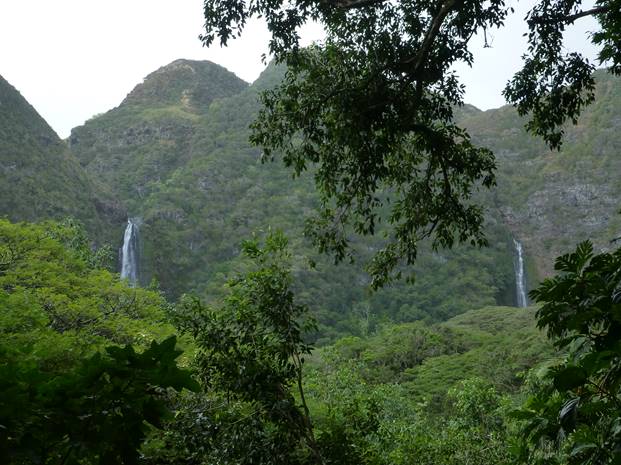
A walking tour to the cathedral valley in the east of the island will lead you back in time. According to local belief, in 650 AD, Polynesians settled in the valley and established many places of worship there. Today, a trip to the area provides a glimpse of a beautiful landscape, impressive waterfalls, fascinating history, and a unique lifestyle of those living in the valley to this day, without electricity and without means of communication.
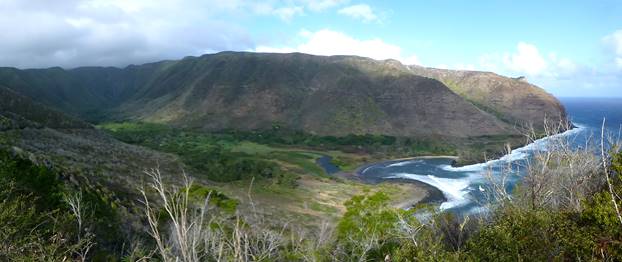
The trip is on a plain, and the only way to hike is by means of a guided tour, as the trail crosses private plots. The highest and most impressive waterfall in the valley is Haipuapua Falls, which rises to a height of about 160 meters. The adjacent waterfall, Moaula Falls, rises to a height of 76 meters. One can bathe in the deep pool of the high waterfall.
Purdy's Natural Macadamia Nuts
A private macadamia nut farm, belonging to the descendants of the Polynesians, spanning over 5 dunams. The farm tour allows you to learn about the local history and the history of the farm, where the first tree was planted back in 1980. Tours are conducted free of charge and include cracking the nuts with a special tool, nut tastings, and tastings of various products based on macadamia nuts. There is a small shop on-site where various products can be purchased. Address: Purdy's Natural Macadamia Nuts, Ho'olehua, HI 96729
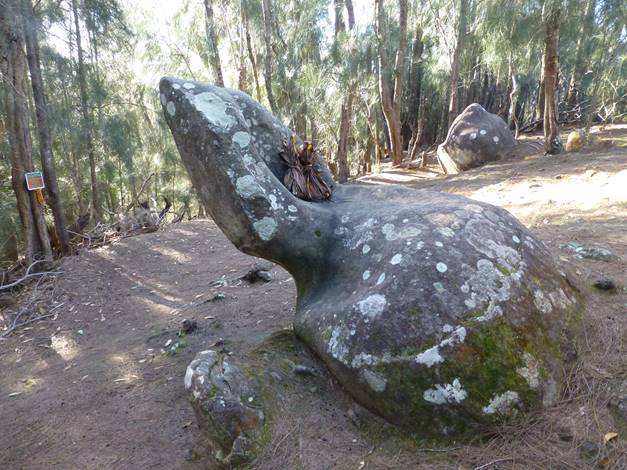
Kaule o Nanahoa Phallic Rock
An ancient Hawaiian site of love and fertility. The phallic rock, called Kaule o Nanahoa in Hawaiian meaning "the penis of Nanahoa," is an ancient sculpture found in Pala'au State Park.
According to Hawaiian belief, infertile women or women struggling to conceive would come to the rock to pray and spend the night in the area, hoping to conceive. Even today, women still continue to come to the rock, hoping to get pregnant. The rock is easily reachable by a short walk (5 minutes) on a wooded path from the Kalaupapa overlook parking lot.
Molokaʻi Museum & Cultural Center
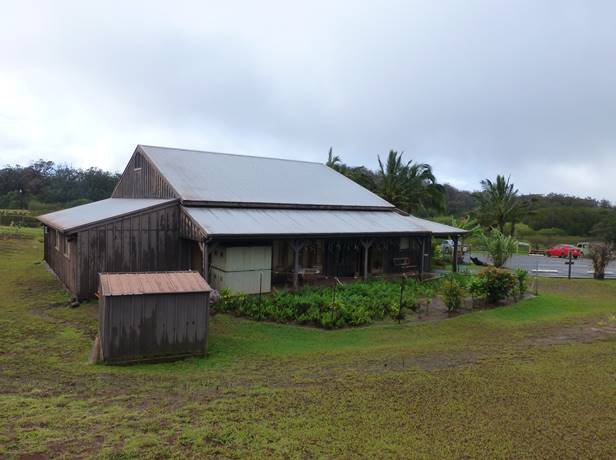
A small and modest museum (the only museum on the island) built adjacent to a small sugar production factory that hasn't been active for many years. A visit to the museum provides a rare glimpse into the life of plantation workers in the 19th century. The family home, located on a hill above the sugar mill, and the ancient cemetery, allow the tourist to understand how people lived in the place.
This is the oldest sugar mill in Hawaii. it was restored and renovated and can be operated today (for demonstration and learning purposes). Two short films about the establishment of the sugar factory and about the Kalaupapa peninsula and the leprosy patients are screened on-site, and there is a photo exhibition of the island. Admission for a modest fee.
Coffees of Hawaii
500 dunams of coffee plantations, a tour of which offers an experiential meeting with coffee preparation, the character of the crops, local history, and more. A plantation tour must be coordinated in advance, for a fee. Address: 1630 Farrington Hwy., off Rte. 470, Kualapuu, HI, 96757
Fishponds - Kalokoeli Fishpond
Traditional fishponds, located at the feet of narrow and impressive rock walls. Many of the stones were built in the 13th century, when powerful commanders ruled the island. The aquaculture characterizing the area demonstrates the ingenuity and survival skills of the natives in Hawaii. Located on Road 450 about 9.5 km east of the city of Kaunakakai.
Entertainment and Nightlife
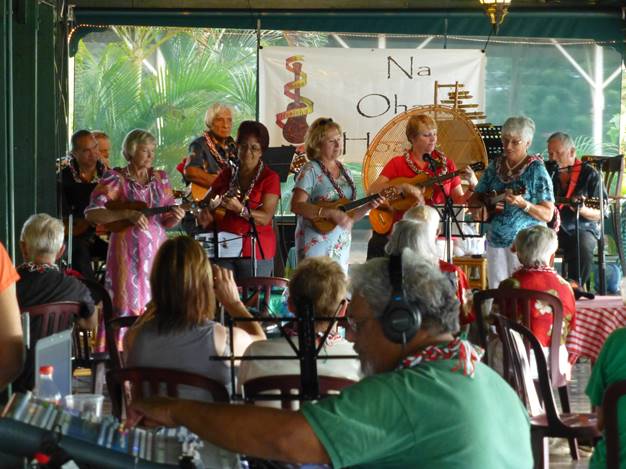
There is no nightlife in Molokai. The few tourist sites are open for rather limited hours and there are no paid shows or mass events. At the same time, it is highly recommended to join a singing and playing activity of "uncles and aunts," local seniors who are lovers of Hawaiian music and songs and hula dances held twice a week, intended mainly for locals but open to tourists without any charge.
Food and Restaurants
There is no major international restaurant chain on the island, only local restaurants. The variety of restaurants is a sort of microcosm of the cultural fusion on the island. You can find a vegetarian restaurant, a restaurant with spicy Filipino cuisine, a Japanese restaurant, and more. There are no gourmet or luxury restaurants on the island. Most restaurants are located on Ala Malama Street in the city of Kaunakakai, where you will also find pizzerias, pasta, and meat restaurants. On the west of the island, there are almost no restaurants, so it is advisable to eat before arriving and stock up on groceries. Molokai Pizza Cafe - A recommended family restaurant featuring pastas and pizzas, burgers, salads, and a variety of other dishes. Prices are reasonable. The restaurant has a game room with electronic machines. Address: 15 Kaunakakai Pl, Kaunakakai, Molokai. Molokai Drive Inn - A classic American diner specializing in burgers in the center of Kaunakakai across the road from the Pizza Cafe. This is the oldest restaurant on the island. Address: 857 Ala Malama St, Kaunakakai, Molokai. Paddlers' Inn - An Hawaiian restaurant with a tropical drink bar. Specializes in fish and meats. Several times a week in the evening, local music shows are held on site. Address: 10 Mohala Street, Kaunakakai, Molokai. There are no large supermarkets in Molokai. There are two minimarkets in the center of Kaunakakai: Friendly Market and Misaki’s both on Ala Malama Ave and several smaller grocery stores in the more remote areas of the island. Food prices in all these stores are significantly higher than on the larger and more touristy islands, mainly because of high shipping costs. Grocery stores are closed on Sundays. Farmers' Market: Every Saturday between 8:00-12:00, a farmers' market is held in the center of Kaunakakai on Ala Malama street (between the only two banks on the island) where farmers and locals come and sell their produce. At "Kumu Farms" located near the airport in the center of the island (on Hua Ai Road across from the field entrance), it is worth purchasing organic vegetables and fruits and especially fresh and sweet papayas grown on site. Opening hours are quite limited.
Short video on Molokai: