Trip to Everglades National Park
South Florida
This park is the only large sub-tropical area in the USA containing extensive areas of fresh water, seawater, and marshes. In the park, there are also Mangrove forests but mainly endless carpets of grass. The park is home to many animals, including: water snakes, alligators, crocodiles, manatees, and it serves as a nesting site for many species of birds, mainly colorful water birds (over 300 types), some of which are extremely rare. The reserve spans about one and a half million acres (half of which is water) and reaches Cape Sable, which is the southernmost point on mainland USA. From this point, the park extends 72 km north along the Gulf of Mexico and 48 km east toward Florida Bay. The Everglades is essentially a shallow river, about 10 cm deep and about 80 km wide, flowing with an extremely slow current. The best way to discover the park's secrets is by walking on elevated wooden bridges, taking an airboat tour, and watching from observation points.
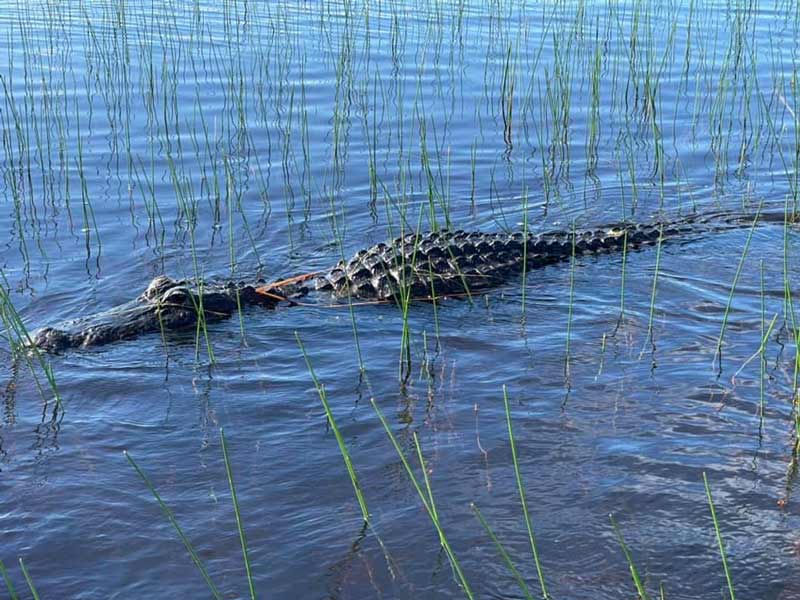
There is no other place in the world with an ecosystem as complex and delicate as the Everglades reserve, where weather and natural phenomena (such as: floods, fires, and heavy rains) recur so consistently and dramatically. Therefore, the park was designated as an international biosphere reserve. The park is open year-round, but the recommended season for a visit is during the winter months, and most visitors arrive between December and April.

Accommodation and Food:
Inside the park, there was only one hotel in Flamingo, but it was destroyed by Hurricanes "Katrina" and "Wilma" in 2005. On-site, there is a visitor center, marina, cafe, and a small shop.
♦ Many hotels and motels at convenient prices, including major chains, in the cities bordering the park:
In these cities, you will also find restaurants and many food stores whose prices are cheaper than inside the park.
Recommended hotels in Florida City and Homestead:
The two towns are adjacent to each other and located about 50 km south of downtown Miami.
TownePlace Suites by Marriott Miami Homestead A successful suite hotel of the Marriott chain with studio units for 2-3 people, apartments with a bedroom and living room, and apartments with two bedrooms and a living room suitable for five people. The price includes a continental breakfast. The hotel has a swimming pool, gym, and game room. Free internet and parking. Home2 Suites by Hilton Florida City A suite hotel of the Hilton chain with studio rooms suitable for up to 6 people. Each unit has an equipped kitchen. The price includes breakfast. The hotel has a pool and a gym. Free internet and parking.
Courtyard by Marriott Miami Homestead A 4-star hotel of the Marriott chain. Each room has a small refrigerator and microwave. The hotel has a swimming pool, gym, and restaurant. Free internet and parking. Hampton Inn and Suites Miami-South/Homestead A 4-star hotel of the Hilton chain. The price includes breakfast. The hotel has a pool and a gym. Free internet and parking.
Those who want to tour the western side of the Everglades park and arrive from Naples, can find accommodation in the town of Everglades City Everglades City
Park Location and Transportation:
The Everglades is located in South Florida. The closest international airports to the park are those of Miami and Fort Myers. There is no public transportation in the park, so you can tour it via an organized trip from one of the nearby cities or by private car.
Book tours from GetYourGuide.com:
Powered by GetYourGuide
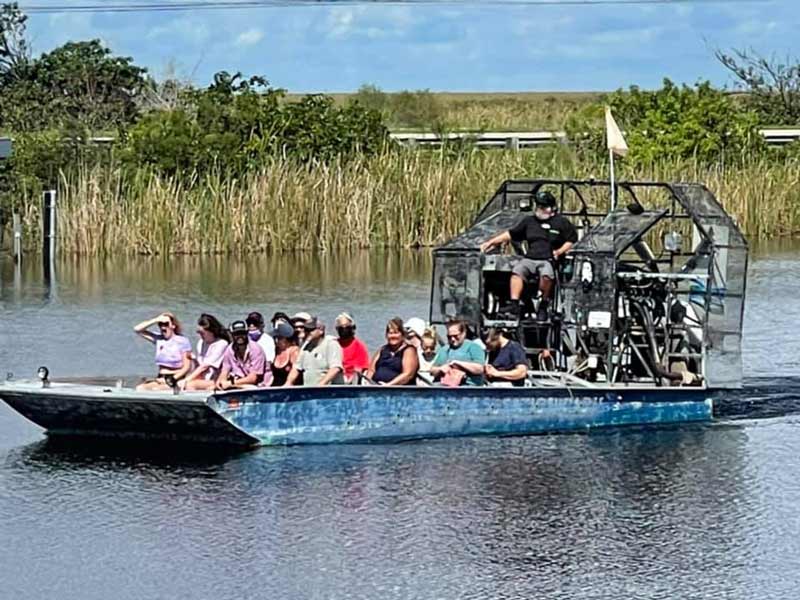
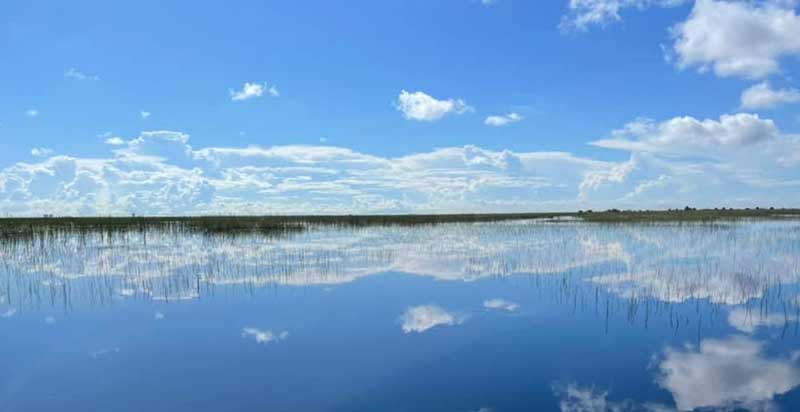
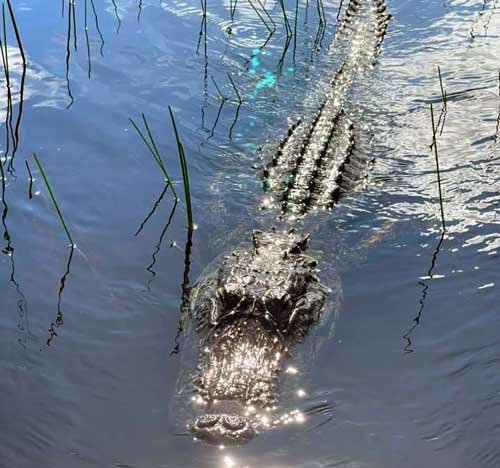
The cities closest to the main entrance of the park are:
Florida City and Homestead, which can be reached via roads: US 1, SR 997, or Florida Turnpike. From the main entrance to Flamingo, located at the southwestern tip of the park, there is an internal road numbered SR 9336, which is 61 km long from the entrance to its end. Highway US 41 (also known as: Tamiami Trail) leads to the other end of the reserve, where there are two separate areas inaccessible from the south: Shark Valley and Everglades City. Since half of the reserve is water and it has many rivers and canals, a common means of transport is by boat and canoe. You can rent boats and sail in the reserve according to maps detailing the various waterways or join one of the organized cruises in the area (details below).
 Map of the park and its surroundings
Weather:
The weather in the park is comfortable and pleasant from December to April, although there may be quite cold nights. The summer is very hot and humid, with average temperatures of 31 degrees Celsius and humidity over 90%. In the summer months, there are usually thunderstorms and heavy rains in the afternoons. In summer, mosquitoes are also extremely common in large quantities.
Where to visit in the park
The park has five different areas that differ in vegetation and wildlife. Each area has its own visitor center, most of which have hiking trails departing from them. The largest and newest visitor center is located at the main entrance to the park. Its name is: Ernest F. Coe Visitor Center and it is open between 8:00 and 17:00. The visitor center has films, educational displays, and a wealth of information. No hiking trails depart from this center. Royal Palm Visitor Center - this center is located 6.5 km west of the main entrance and is open daily from 8:00 to 16:15. Two hiking trails depart from it: Anhinga and Gumbo Limbo. The Anhinga trail is an elevated wooden bridge passing over a swamp teeming with alligators and other water animals. The Gumbo Limbo trail leads through thick tropical vegetation on a rather shaded path. Flamingo Visitor Center - located 61 km southwest of the main entrance, at the southernmost tip of the park. The visitor center is open only from November to April between 7:30 and 17:00. The center has a natural history display and information on activities in the area.
Guided cruises of an hour or two depart from the marina for tours of the park's waterways. At the marina, you can rent boats and canoes for independent sailing in the rivers.
Shark Valley Visitor Center - this visitor center is located near Highway US 41 (Tamiami Trail) at the northern border of the reserve. The entrance fee to the reserve from this direction is $8 per car. The center is open daily from 8:30 to 17:15 and is located in the heart of the "River of Grass" which is 160 km long from Lake Okeechobee to the Gulf of Mexico. Several short hiking trails depart from near the visitor center. It is recommended to join a two-hour tour by a small tram along 24 km of a road not open to private cars. This tour provides an excellent opportunity to observe alligators and other endangered wildlife. The tour also includes a 20-minute stop at an observation tower at the southern end of the valley. Tours take place daily between 9:00 and 15:00. In the winter months, it is recommended to book spots at least a week in advance. Another interesting area (which does not have a visitor center) is "Chekika" located 29 km northwest of the city of Homestead and reached via road SR 997. This is an area of 640 acres with elevated walking platforms and waterways where there are over a hundred species of birds. Suitable for touring by foot or bicycle.
Additional points in the reserve recommended for a visit:
Pa-Hay-Okee Overlook – this is an observation tower about 3.5 meters high located 20 km from the entrance. It overlooks an endless view of green grass, a typical sight for the reserve. Mahogany Hammock – an elevated wooden bridge passing between mahogany trees and tropical vegetation. Located 31 km from the park entrance near the main road. Along the entire path are small signs indicating the names of the plants. Mangrove Trail – a system of elevated bridges passing through a mangrove grove 49 km from the park entrance near West Lake.