Hiking in the Mt. Taranaki Volcano Area
The Taranaki region is named after the large volcano that occupies most of its territory. The region is located in the western part of the North Island, halfway between Wellington and Auckland. In the vicinity of the mountain (also called Egmont) and in the national park, there is a variety of hiking trails with several levels of difficulty.
The starting point for this trip is from the city of New Plymouth.
Recommended places to stay in New Plymouth:
Millennium Hotel New Plymouth, Waterfront
A 4.5-star hotel located in the city center on the waterfront with a sea view.
The hotel has a restaurant and bar, and offers rooms and suites that can accommodate up to 4 people. Free Wi-Fi.
A B&B with double rooms of different sizes and levels. The B&B has a shared kitchen, lounge, and garden. You can get a buffet or continental breakfast.
Bicycles can be rented (for an additional fee). Free Wi-Fi and parking.
An apartment hotel, with double studio apartments, one and two-bedroom apartments, and penthouses. Each apartment has a kitchen/kitchenette. Some rooms have a Jacuzzi.
Free parking and Wi-Fi. The hotel has a barbecue facility and a laundry room. Breakfast and dinner can be ordered for an additional fee.
The shape of the mountain is very impressive and can be seen from afar: a nearly perfect cone shape, at a height of 2518 meters. It is a dormant and young volcano that last erupted in 1854.
To enjoy the views, you can visit the northern part of the park (North Egmont) or its eastern part (East Egmont). If you do short hiking trails, you can manage to visit both parts of the park in one day trip.
In the northern part of the national park, the hiking trails start from the Egmont National Park Visitor Centre. Many hiking trails depart from here, suitable for everyone: from accessible paths to more challenging trails to the mountain summit, which take 6-8 hours.
For those looking for particularly short hiking trails, you can be impressed by the lookout point located a 5-minute walk from the visitor center. The lookout point has an orderly promenade and is accessible and passable even with a stroller or wheelchair. From the lookout, there is a scenic view of Mount Taranaki, the coastline, and towards the mountains in the center of the North Island: Ruapehu, Ngaruahoe, and Tongariro.

From the promenade, there are hiking trails that pass through the natural vegetation and the twisted trees characteristic of the park. It is recommended to stop by the visitor center to consult and receive tips regarding the hiking trails that are suitable for you.


Recommended hiking trails also depart from the eastern part of the national park, such as the Potaema Track, which starts from the Potaema Picnic Area, about 3 km inside the park on Pembroke Road. There is a boardwalk leading to a swamp where a diverse system of flora and fauna exists, as well as a spectacular view of the mountain.
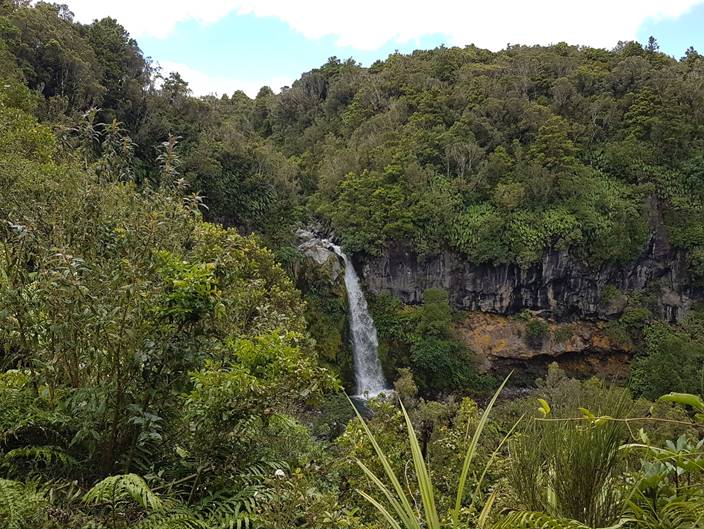
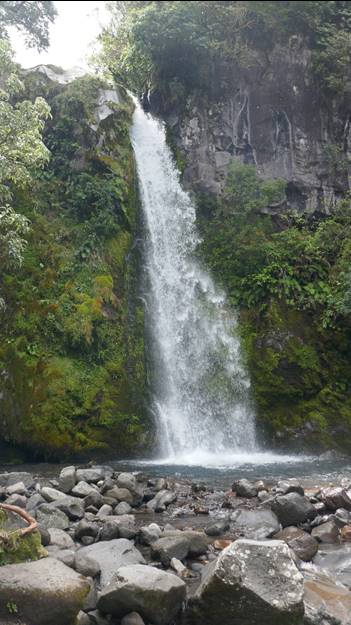
In the national park, one of the must-see stops is Dawson Falls, named after Thomas Dawson, the first European to discover the waterfall in 1885. The waterfalls are located near another entrance to the national park, close to its eastern part.
In the waterfall area, there are 2 short hiking trails:
The first trail is short and easy, a path toward the old power station and one of the oldest generators in the world. This is a 5-minute walk one way, starting from the Dawson Falls Visitor Center.
Another nice and short trail is to the waterfalls themselves. A 10-minute walk one way, from the Dawson Falls Visitor Center. To reach the waterfalls, you must walk on the Kapuni Loop Track; from here, you can reach the bottom of the waterfall (18 meters high) or continue to the lookout point.
The more convenient starting point for trips in Taranaki National Park is from the city of New Plymouth, which has a variety of cafes, restaurants, and hotels. The city is about a half-hour drive from the northern part of the national park and about an hour's drive from its eastern side.
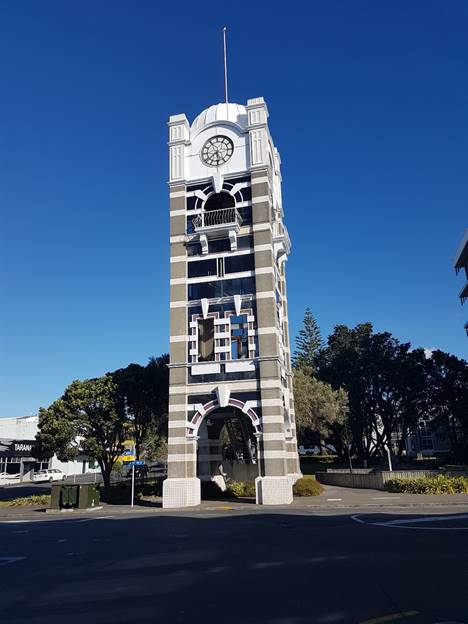
It is pleasant to walk around the city center and the waterfront promenade, where there are sculptures, a playground for children, and the Wind Wand column, which was designed by artist Len Lye and moves in the wind.
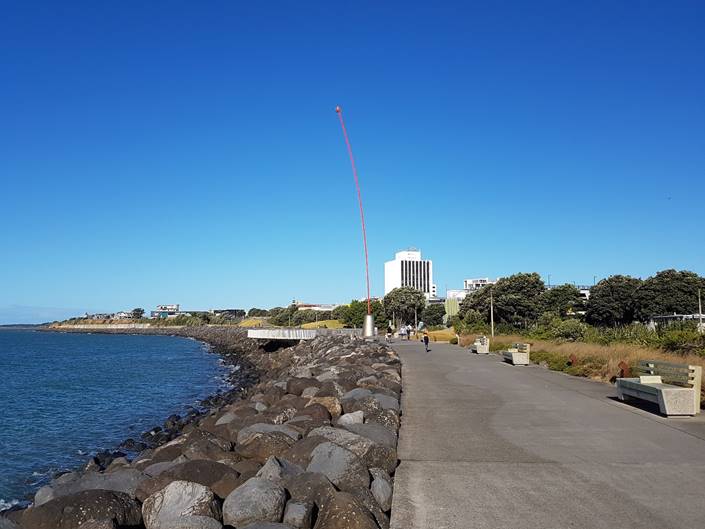
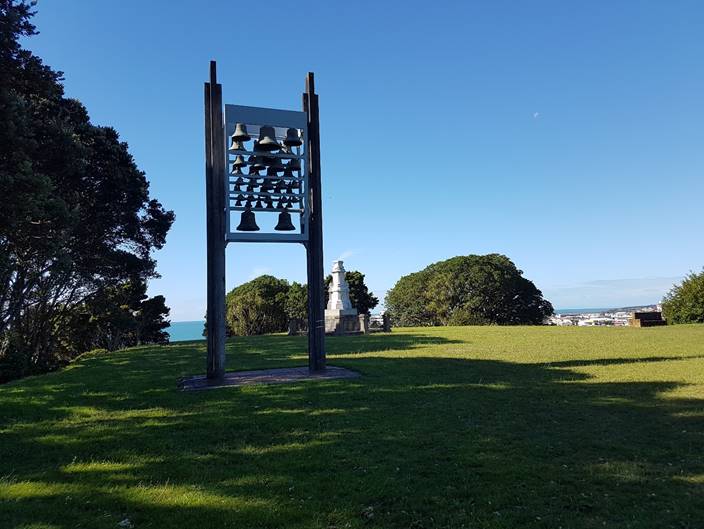
The city also has a successful observatory, New Plymouth Observatory, where there is a planetarium show and stargazing using a telescope. Near the observatory, there is a hill where it is pleasant to stroll and from which to view the mountain. There is a World War memorial and a bell sculpture here.
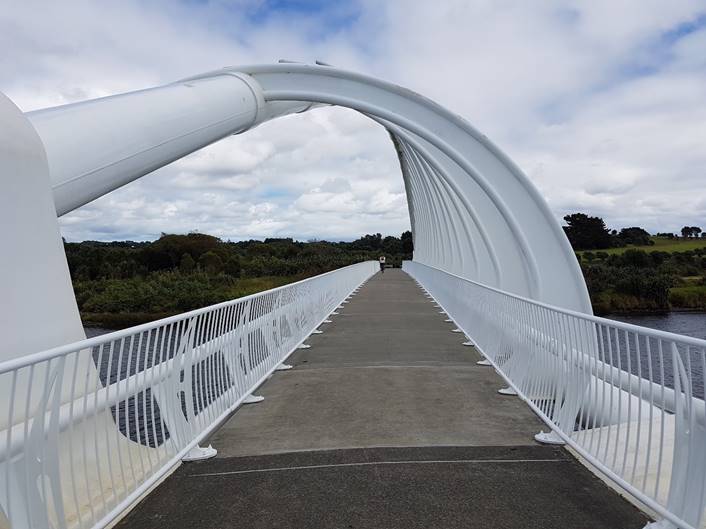
A short drive from the city is the special Te Rewa Rewa Bridge. The bridge has a strategic location: it crosses the Waiwhakaiho River and is parallel to Mount Taranaki. The bridge has an unusual design that creates a kind of frame for the volcano on the horizon.