Travel in the Footsteps of the Acadian Residents in Eastern Canada
Itineraries: Detailed Travel Itineraries in Canada (Free)
General
It is impossible to travel in Eastern Canada without encountering settlements, fortresses, people, and museums related to the Acadians and their tragic history. The Acadians were actually the first Europeans (French) to settle in North America, starting in Nova Scotia in 1605.
This article provides a brief description of the history of Acadian settlement, the brutal deportation they experienced, and a description of the historical sites, fortresses, villages, buildings, and museums on the subject that travelers encounter in Eastern Canada.
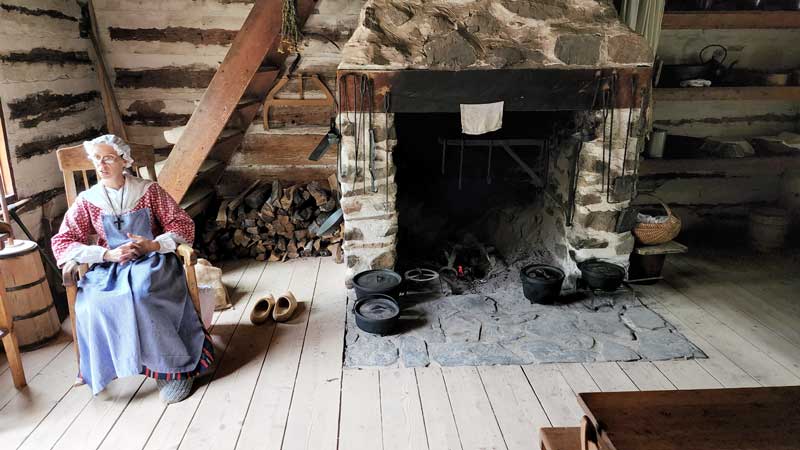
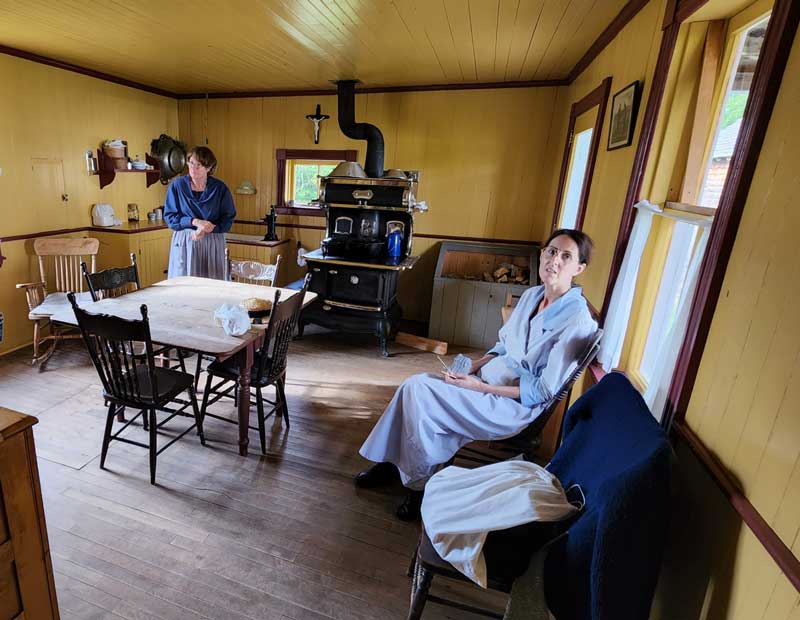
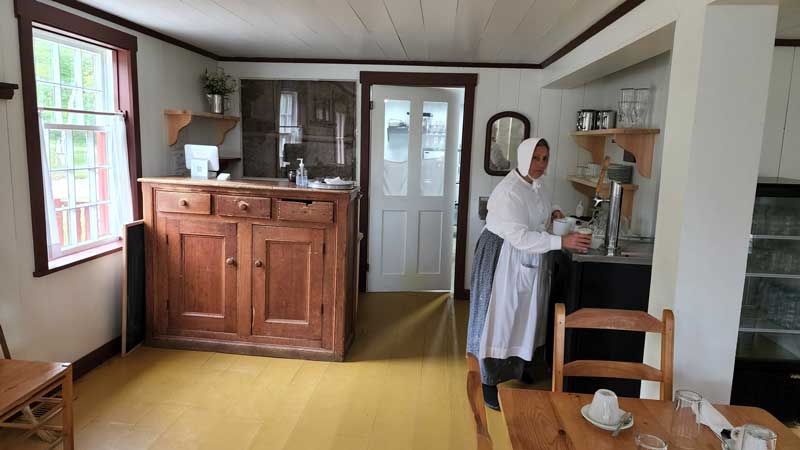
Acadian kitchen in an open-air museum with actors in period costume:
Origin and Settlement of the Acadians
The Acadians were French, mostly from southwestern France, who settled in the French colony in northeastern Canada called Acadia in the 17th and 18th centuries.
They lived in Nova Scotia, Prince Edward Island (PEI), New Brunswick, and the state of Maine in the USA. The Acadians were ethnically, geographically, and administratively distinct from other French colonies, including Quebec. They differ from them in history and culture, and as mentioned, most of them originated from the same region in southwestern France. Their flag is like the French flag with a golden star (symbolizing Saint Mary) on the blue section.
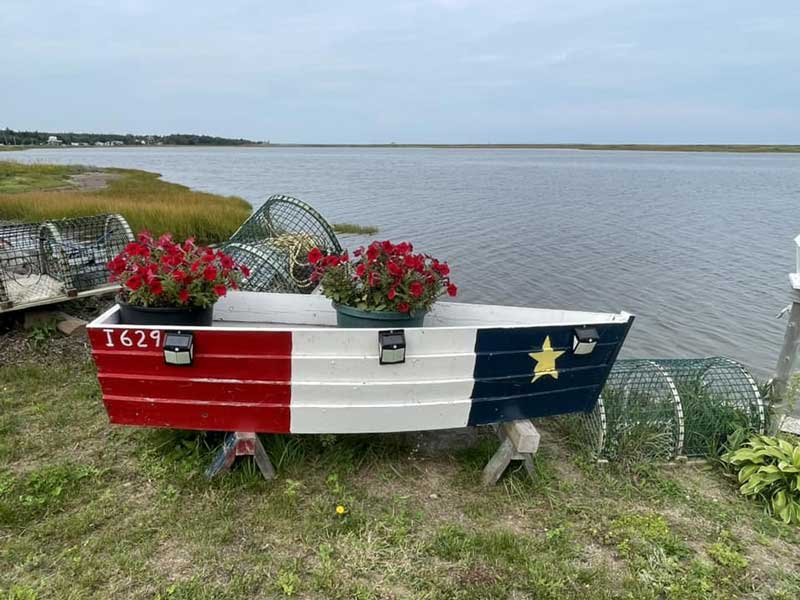
Descendants of the Acadians celebrate National Acadian Day on August 15th dressed in the three colors of the French flag (blue/white/red), waving the Acadian flag while listening to Acadian music.
Deportation of the Acadians
Over the years, the region of Acadia was subject to wars of control between the French and the English. To the Acadians' misfortune, as part of the peace treaties signed in 1713 in Utrecht between France and other European powers, the French transferred control of Acadia to the English, leaving the French Acadians at the mercy of British rule.
During the years 1754–1763, a war broke out for control of North America between the French and the English. The English demanded that the French Acadians under their rule sign an oath of absolute allegiance to the British Crown, which they refused to do (some were willing to remain neutral, while others fought the English). Consequently, the English decided to deport them from the region. About 11,500 Acadians were forcibly expelled en masse from their homes and lands where they had lived for over a hundred years. During the deportation, their homes were burned and their lands were given to British loyalists who arrived from New England and later from Scotland. About a third of the Acadians died from hunger and disease or drowned in some of the ships on which they were deported.
Deportation Destinations
The Acadians were initially deported to remote areas in other British colonies in North America (Connecticut, Massachusetts, Maryland, Virginia, New York, Georgia, North and South Carolina) and later even to France and Britain. A significant number of Acadians migrated to Louisiana, which became a Spanish colony, where they became the largest ethnic group.
Present-day Settlements of Acadian Descendants
Over the years, some Acadians returned to Acadia and other places in Canada. Today, most descendants of the Acadians live in New Brunswick, Nova Scotia, Quebec, Ontario, and fewer in other parts of Canada. In the USA, they are found in the state of Maine, and many who migrated to Louisiana intermarried with other local settlers, creating the Cajun culture.
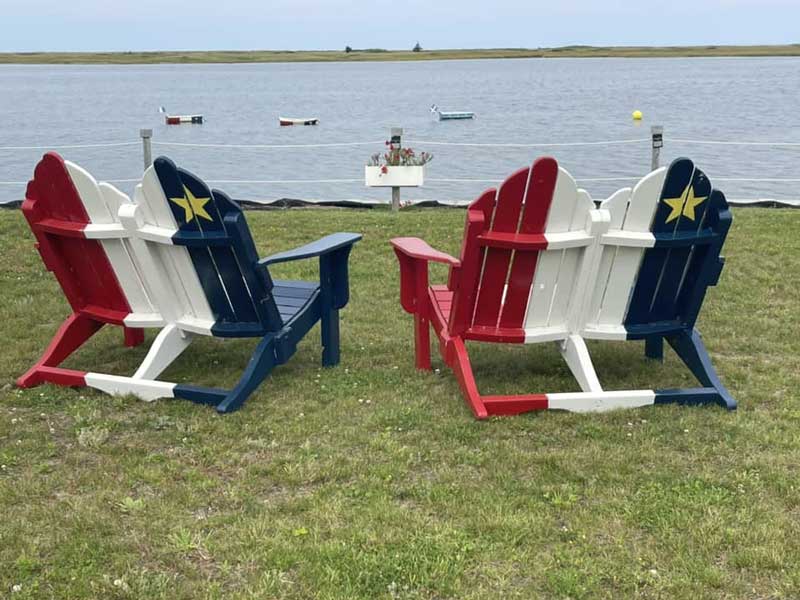
In many homes and businesses where descendants of Acadians live in Canada, their flag can be seen flying proudly alongside the Canadian flag. Many Acadians decorate their homes not only with the flag, but also paint chairs, cars, boats, etc., in the colors of the French flag with the golden star.
Acadian Sites in New Brunswick
Historical Acadian Village in Western New Brunswick
In northeastern New Brunswick, on a small peninsula, lies a very successful open-air museum called Village Historique Acadien.
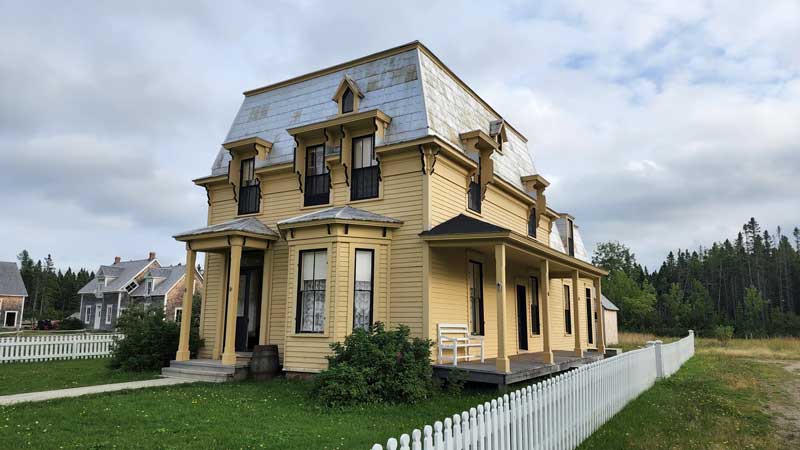
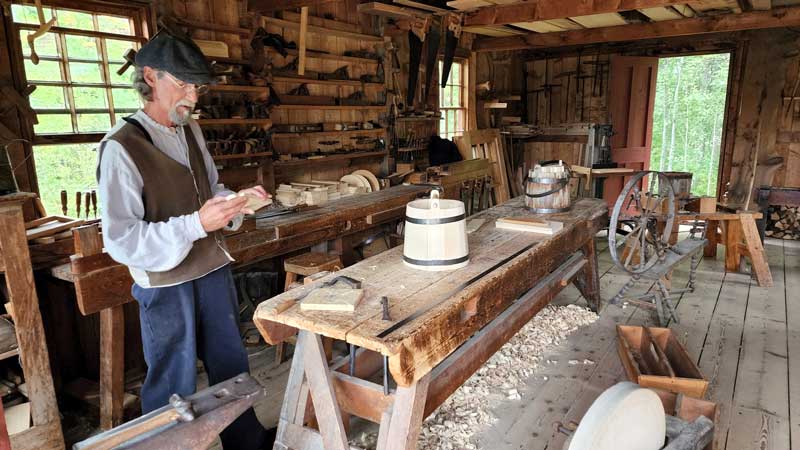
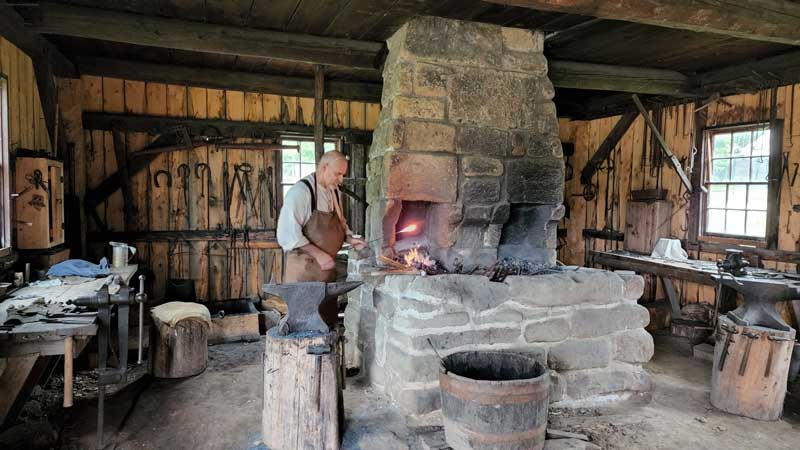
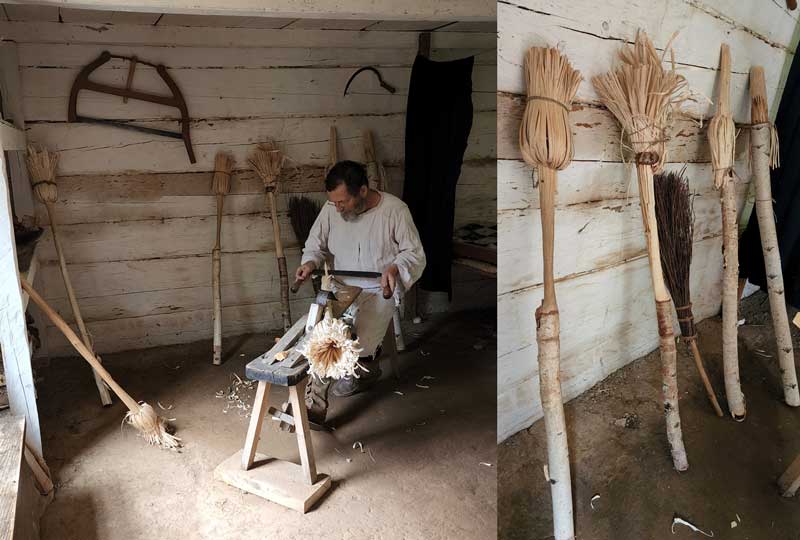
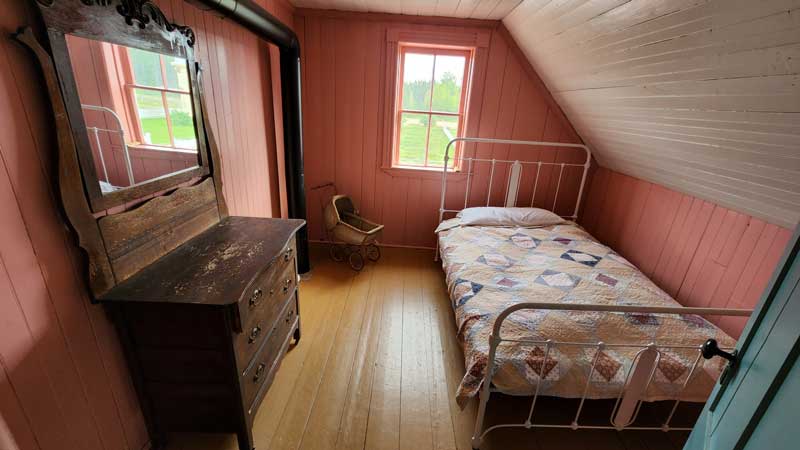
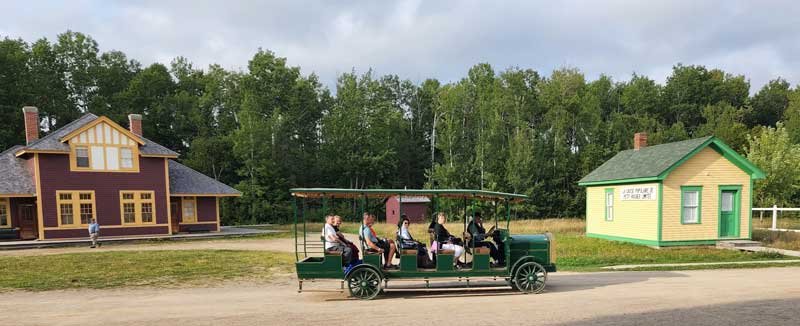
This is one of the largest and most impressive open-air museums I have ever seen (and I have seen quite a few around the world). Spanning a vast area, the museum depicts the lives of the Acadian people in authentic buildings from the 18th to the 20th centuries. In each building, there are costumed actors in period dress who demonstrate and talk about life in that specific house during that particular era.
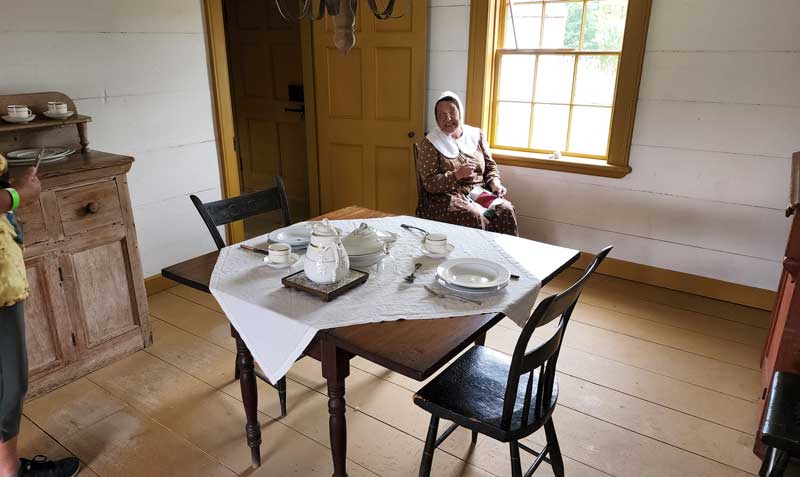
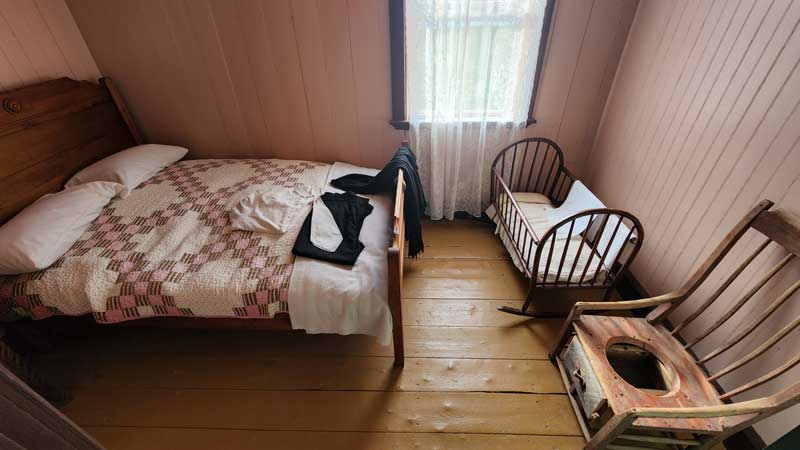
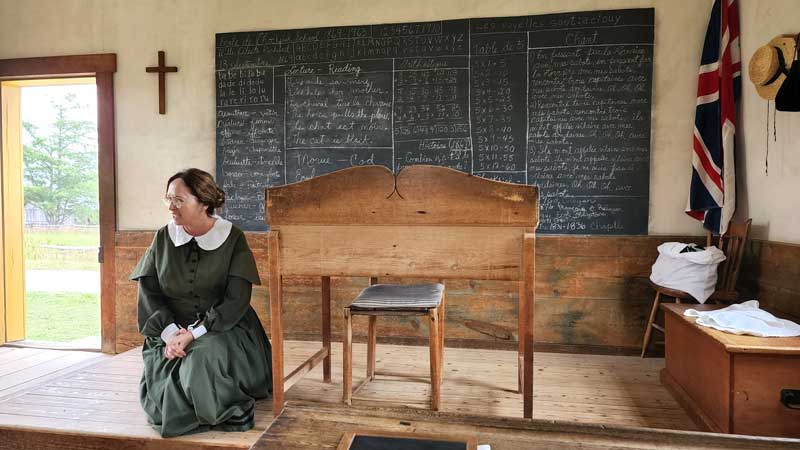
There are various artisans from different periods, men and women in the original houses, showing how they grew and developed over the years. A teacher talks about teaching methods and conditions, farm animals, and more.
Classroom:
Carpentry shop:
Blacksmith shop:
Video about craftsmen in the Acadian Village:
Broom maker:
The site also features a restaurant serving classic, simple, basic, yet delicious and filling Acadian food, and even a small hotel in a historic building.
Restaurant:
Shop:

Historic hotel:
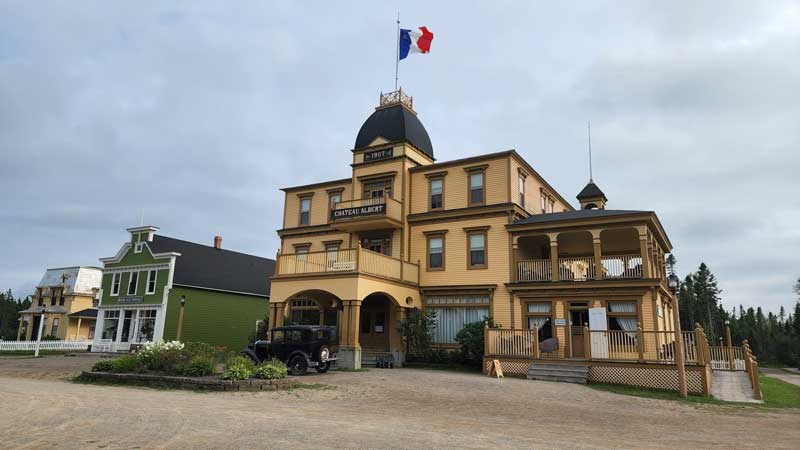
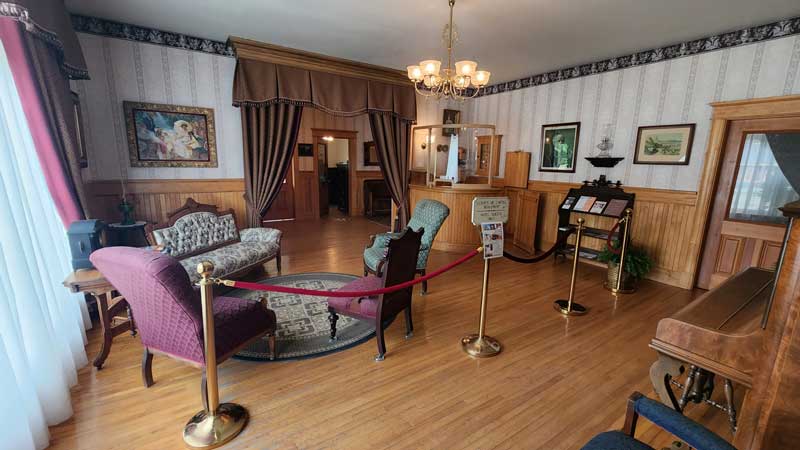
In the visitors' center, where the tour begins, a short film is shown teaching visitors about the hardships and history of the Acadian people. In my opinion, a must-visit destination for anyone visiting Eastern Canada! It is recommended to dedicate at least 4 hours to the site.
The village is located on a peninsula about a 2:50-hour drive from Moncton, open in summer from early June to mid-September every day between 10:00–17:30.
Acadian Museum in Moncton ACADIAN MUSEUM
The museum is located at the University of Moncton and displays many aspects of Acadian life throughout the years, established to preserve the nation, its customs, and tradition.
Fort Beauséjour – Fort Cumberland National Historic Site
Located at a crossroads in New Brunswick near the border with Nova Scotia, at the northeastern end of the Bay of Fundy. You can take a self-guided or guided tour of the fort and learn about the struggle for control of the area between the French and the English. Exhibits from both the French and English of that period are displayed on site.
Acadian Sites in Nova Scotia
Acadian Village in Southern Nova Scotia
The village - Le Village historique acadien de la Nouvelle-Écosse is located in southern Nova Scotia, about a three-hour drive southwest of the city of Halifax. This is an open-air museum where you can see how Acadians lived about two hundred years ago, how they dressed, where they lived, how they cooked, made various metal tools, built boats, and made fishing nets.
Near this village, 4 km north of it, there is also a small Acadian museum called MUSÉE DES ACADIENS DES PUBNICOS.
Fortress of Louisbourg
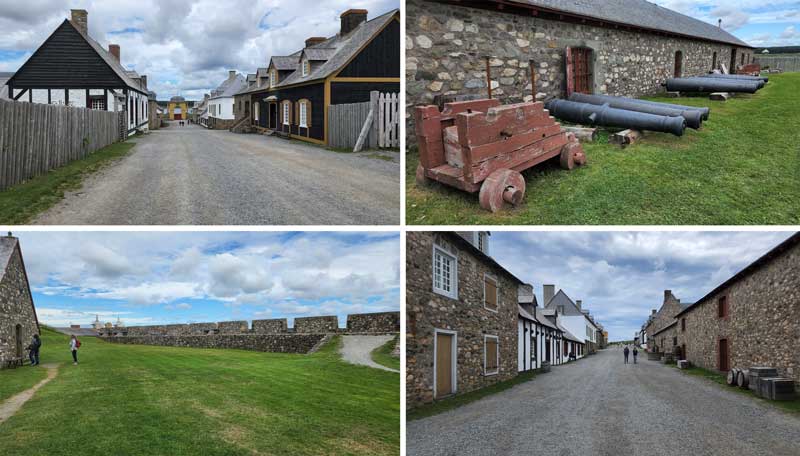
A massive fortress: "Fortress of Louisbourg National Historic Site", which is much more than a fortress—it is a huge open-air museum including a reconstructed fortified city with tours and demonstrations, including cannon firing and parades several times a day, with costumed actors telling the story of the French settlers, the Acadians in the 18th century, their wars, and their way of life.
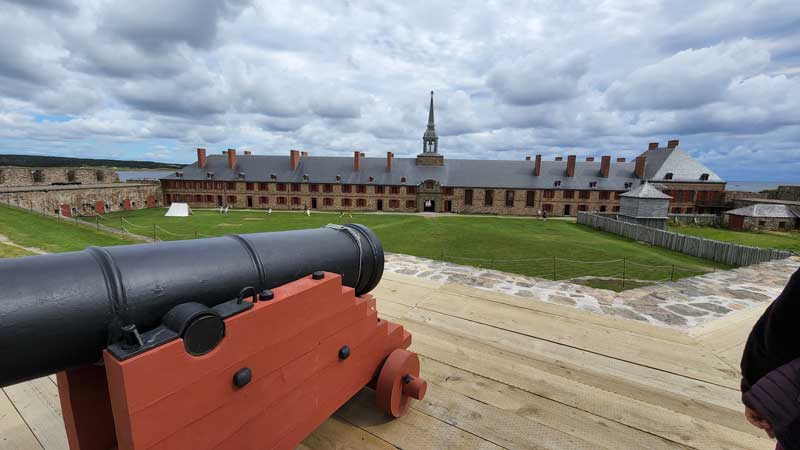

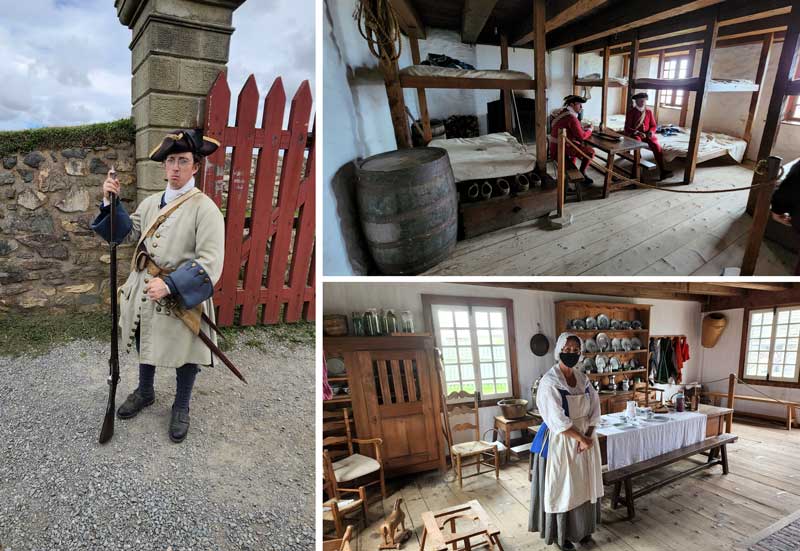
The site also features a restaurant, café, shop, vegetable gardens, hiking trails, and more. A huge and impressive place worthy of spending at least 3-4 hours.
The fortress is located about a half-hour drive (35 km) southeast of the major port city of Sydney on Cape Breton Island.
The Town of Chéticamp
In the town located at the beginning of the famous scenic route: Cabot Trail, on Cape Breton Island, sits Les Trois Pignons, an Acadian cultural center featuring a genealogical center, library, antiques, wall hangings from the Acadian era, and a tourist information center.
Chéticamp:
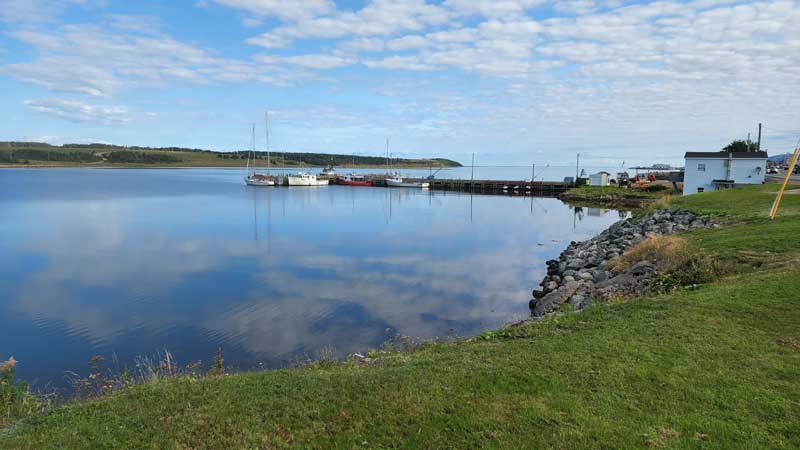
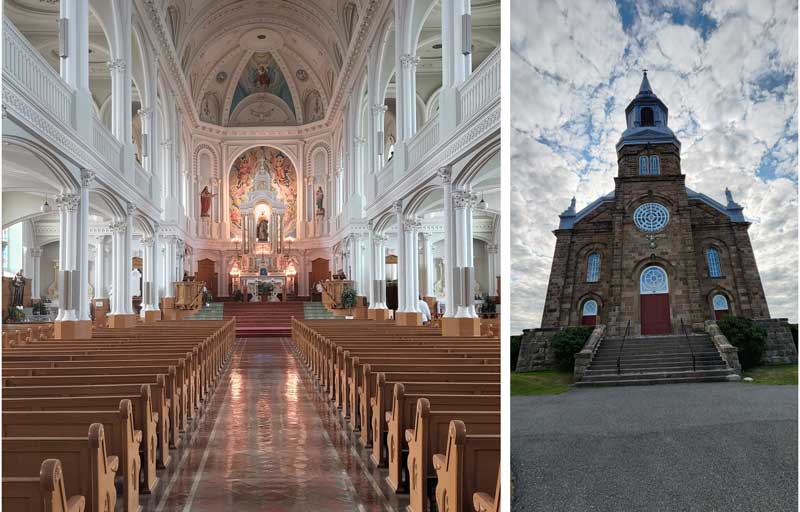
In Chéticamp, there is a main street abundant with shops and galleries, and a large, impressive church named Saint Peter's.
Historic Site in Port-Royal near Digby Port-Royal National Historic Site
The history of Canada began in Nova Scotia when the first French settlers arrived in 1605 and settled in Port-Royal. This was the first European settlement in North America. The settlement path of the first Acadians moved from Port-Royal north along the coast of Nova Scotia up to the Annapolis Valley.
In Port-Royal, there is an open-air museum showing visitors how the first settlers from France lived and their cooperation with the Indigenous people who had lived there for thousands of years before them.
Acadian Villages in the Wine Valley
In Nova Scotia, Eastern Canada, there is a charming wine valley where the Acadians settled.

Today, there are many wineries in the area where you can tour and taste their wines.


The valley is located about a one-hour drive northwest of Halifax.
In the area, there are sites connected to Acadian history:
A historic site in the area: Grand-Pré National Historic Site, from which the deportation of Acadian settlers was carried out in 1755.
Fort Edward near Windsor, built by the English to control the local Acadian population. About 1,200 Acadians were also imprisoned at this site prior to their deportation.
The town of Wolfville - adjacent to the wine valley, from which the Acadians were deported:

PEI (Prince Edward Island)
● On the north shore of the island (east of the historical site of the author of "Anne of Green Gables"), lies an Acadian town originally named North Rustico, founded in 1790.
● Further along, 6 km to the south, is the ancient Acadian village of South Rustico, home to a church and an ancient house.
A popular destination for visitors to Prince Edward Island is the house that inspired the story "Anne of Green Gables":

Cavendish Beach:

The Covehead Lighthouse in Prince Edward Island National Park:

Acadian Museum on PEI
On this island, there is also an Acadian Museum located at: Main Dr E, Miscouche, PE C0B 1T0, Canada23